Jack Nicholson's 8 Greatest Villain Performances, Ranked
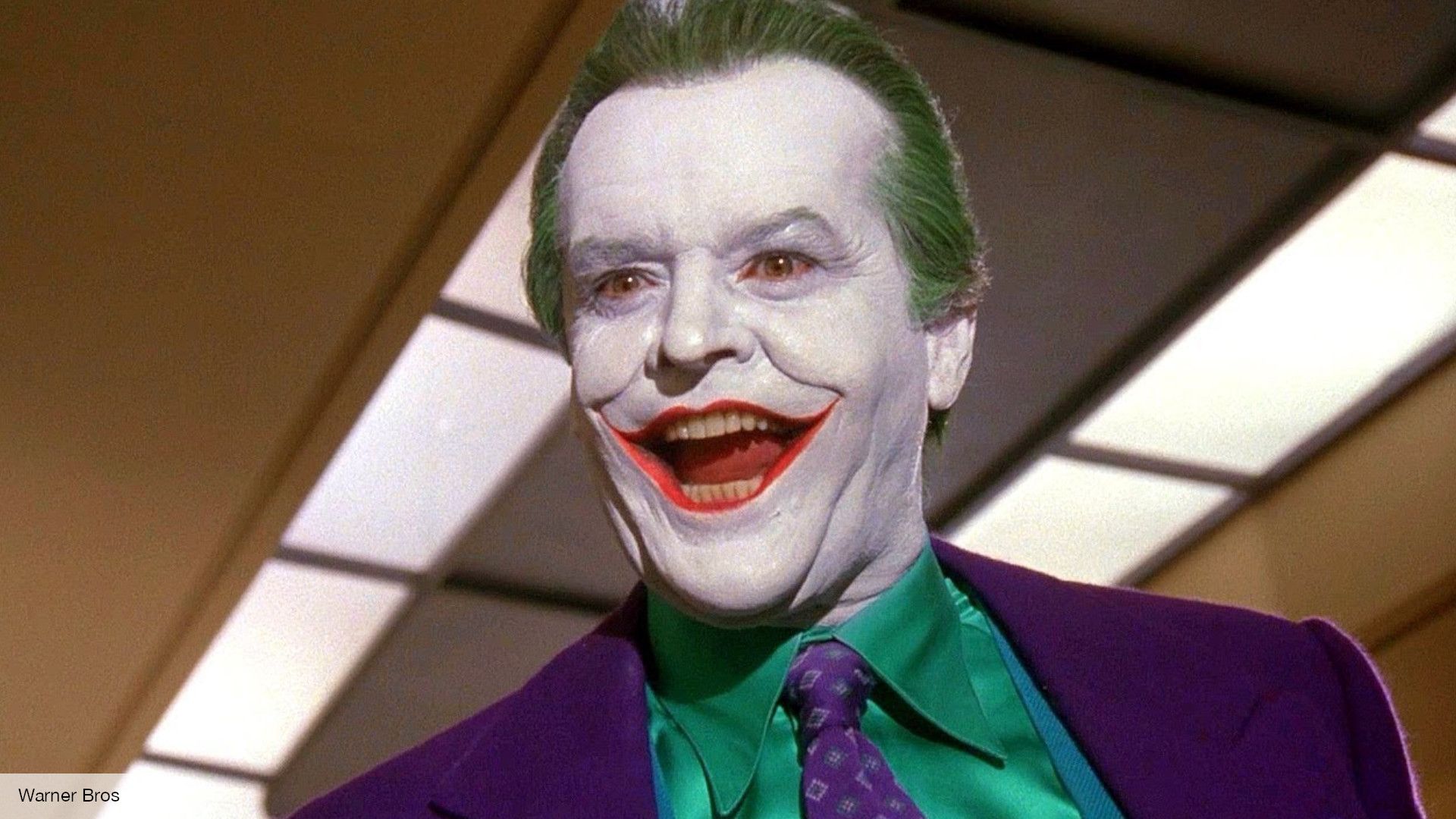
Jack Nicholson has spent much of his career proving that a charming smile can be considerably more frightening than an angry expression. Few actors have made villainy quite so entertaining, whether playing a manipulative criminal, an intimidating authority figure, or someone whose grip on reality is rapidly disappearing. Nicholson has a particular talent for making audiences laugh at a character's behavior while simultaneously recognizing that somebody is probably going to get hurt.
Nicholson's villains also come in remarkably different forms. Some are genuinely sadistic, others are frightening because of their influence and authority, while a few are so flamboyant that their theatricality becomes part of their appeal. Nicholson rarely plays evil as something entirely separate from a character's personality, instead finding ways to make their most unpleasant qualities inseparable from their charisma.
Comparing these performances requires looking beyond their cultural impact. Being iconic isn't necessarily the same as being frightening, and a technically impressive performance doesn't always produce a memorable antagonist. Considering the scare factor, acting ability, and lasting popularity reveals which of Nicholson's villains are his greatest achievements.
8 The Rebel Rousers (1970) — Bunny

One of Nicholson's earliest villain performances is also among his least celebrated. In Martin B. Cohen's The Rebel Rousers, he plays Bunny, a member of a motorcycle gang whose arrival in a small Arizona town brings trouble for a couple hoping to enjoy a peaceful visit.
Nicholson doesn't have much opportunity to develop Bunny beyond his immediate nastiness, but his performance contributes to The Rebel Rouser’s grim depiction of the gang. There's little romanticism about their particular brand of rebelliousness; they are bullies who enjoy exercising power over people who cannot defend themselves.
Bunny is a relatively minor role, making this more interesting as an early glimpse of Nicholson's screen persona than a full demonstration of his villainous abilities.
7 The Wild Ride (1960) — Johnny Varron

Nicholson's second starring film role already flaunts an impressive ability to play thoroughly unlikable characters. In The Wild Ride, he portrays Johnny Varron, a reckless teenager whose obsession with racing and controlling his friends eventually has devastating consequences.
Nicholson makes Johnny's arrogance particularly convincing. He treats friendship as a form of ownership, expecting Dave to follow his instructions and becoming hostile when his friend attempts to establish an independent life. His bullying eventually contributes to a confrontation that ends in tragedy.
There are obvious similarities between Johnny and the rebellious young characters popularized by Marlon Brando and James Dean, but Nicholson gives the familiar archetype a nastier edge. Johnny is a bully whose disregard for other people makes him genuinely dangerous. It's a rough early performance, but an interesting indication of the actor's future ability to make arrogance entertaining and threatening all at once.
6 The Shooting (1966) — Billy Spear

The Shooting is an unusually unsettling Western, and Nicholson's performance as Billy Spear makes its oppressive atmosphere considerably more uncomfortable. It depicts two men escorting a mysterious woman through the desert, with Billy joining their journey as an increasingly sinister presence.
Nicholson plays the gunslinger as an enigmatic character who seems to take particular pleasure in making his companions uncomfortable. His motivations are obscure, and his willingness to toy with the other travelers makes it difficult to anticipate what he'll do next.
Unlike the more flamboyant villains Nicholson would eventually become famous for, Billy doesn't need elaborate speeches to communicate menace. His black leather clothing, cold demeanor and casual attitude towards violence make him an intimidating presence. Although Billy is relatively obscure and sedate compared with Nicholson's later antagonists, his unpredictability makes him one of the actor's more interesting early villains.
5 The Witches Of Eastwick (1987) — Daryl Van Horne

Nicholson's interpretation of the Devil in George Miller's The Witches of Eastwick is one of his most entertaining villain performances, largely because he seems to be having an absolutely wonderful time playing him. Based on John Updike's novel, the supernatural comedy follows three women, played by Cher, Susan Sarandon and Michelle Pfeiffer, who encounter the mysterious Daryl Van Horne.
Unfortunately, their seemingly ideal new companion turns out to be considerably more interested in manipulation than romance. Nicholson plays Daryl as a vulgar, manipulative showman whose charm makes his disturbing behavior easier to overlook.
His performance thrives on the contrast between Daryl's childish eccentricities and his genuinely sinister intentions. However, the film's comic sensibility prevents Daryl from becoming consistently terrifying. He's an outstanding comic villain, even if his wickedness isn't quite as frightening as some of the actor's other performances.
4 A Few Good Men (1992) — Colonel Nathan R. Jessup
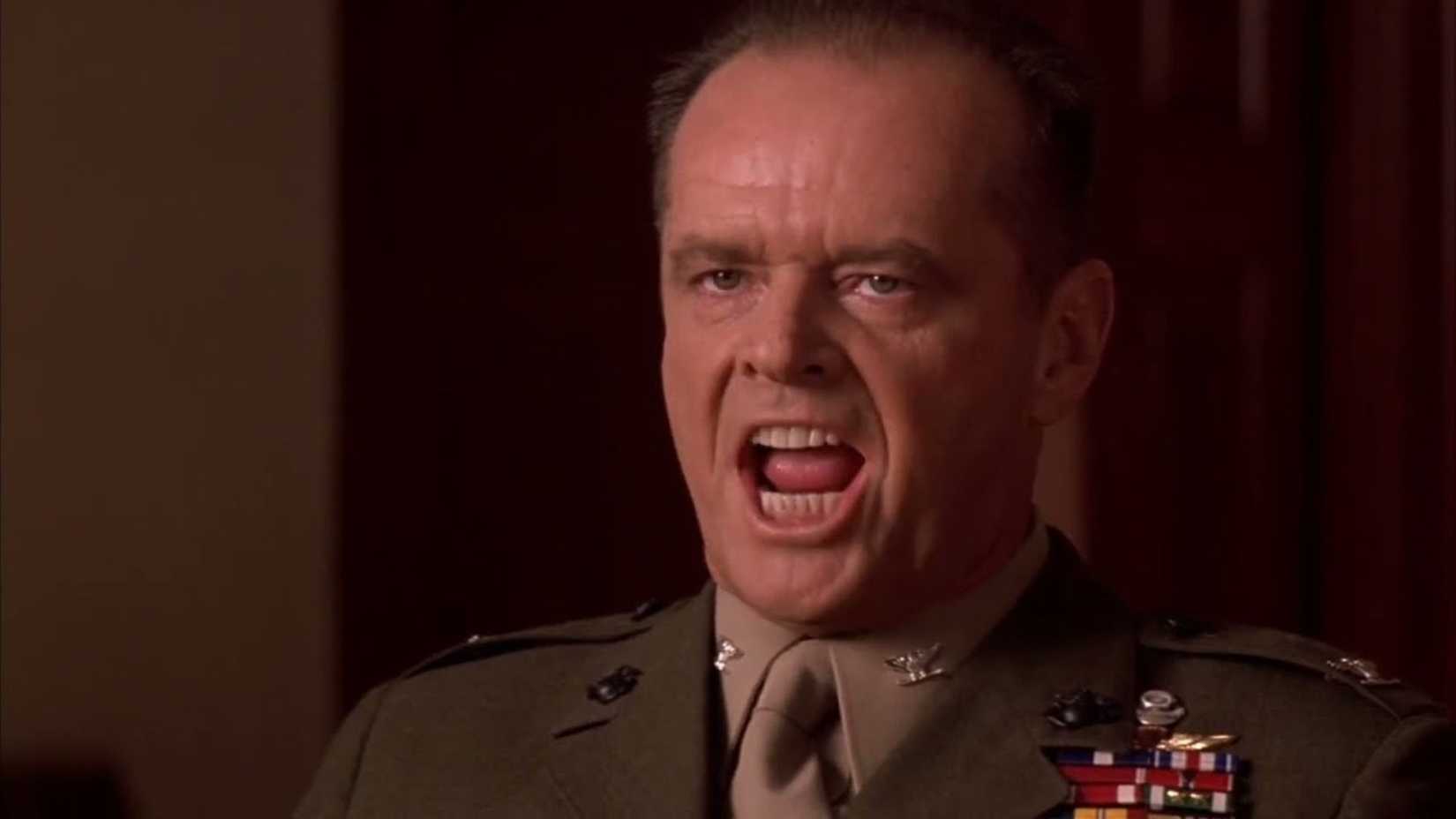
Colonel Nathan R. Jessup is one of Nicholson's most convincing villains precisely because he doesn't consider himself one. In Rob Reiner's A Few Good Men, he plays a powerful Marine commander whose unquestioning belief in military discipline puts him at the center of a murder investigation.
Nicholson portrays him as someone who genuinely believes his authority is justified, considering individual lives secondary to maintaining military order. The character's arrogance is particularly disturbing because he believes his actions are necessary. He's not a conventional movie villain who takes pleasure in hurting people; he's convinced that the military cannot function without unquestioning obedience.
The courtroom confrontation provides Nicholson with one of his greatest cinematic moments when he loses his composure and delivers the immortal declaration, "You can't handle the truth!" The performance is magnificent, even if much of its legacy rests on one extraordinary scene.
3 The Departed (2006) — Frank Costello

Martin Scorsese's The Departed gave Nicholson one of his most unpredictable villain roles. He plays Frank Costello, a powerful Boston gangster who has recruited Colin Sullivan (Matt Damon) as an informant within the Massachusetts State Police.
Costello is crude, casually violent and constantly testing the people around him. Nicholson makes even seemingly harmless conversations uncomfortable, using humor to disguise how dangerous his character really is. His relationship with Sullivan is particularly disturbing, with an uncomfortable mixture of paternal affection and psychological manipulation.
His increasingly erratic behavior suggests a powerful man gradually losing control, making him dangerous even when he's supposedly enjoying himself. It’s an utterly enthralling performance that combines charisma, cruelty and volatility. Costello is one of Nicholson’s greatest villain turns, but hasn't quite penetrated popular culture as much as the top spots.
2 Batman (1989) — The Joker
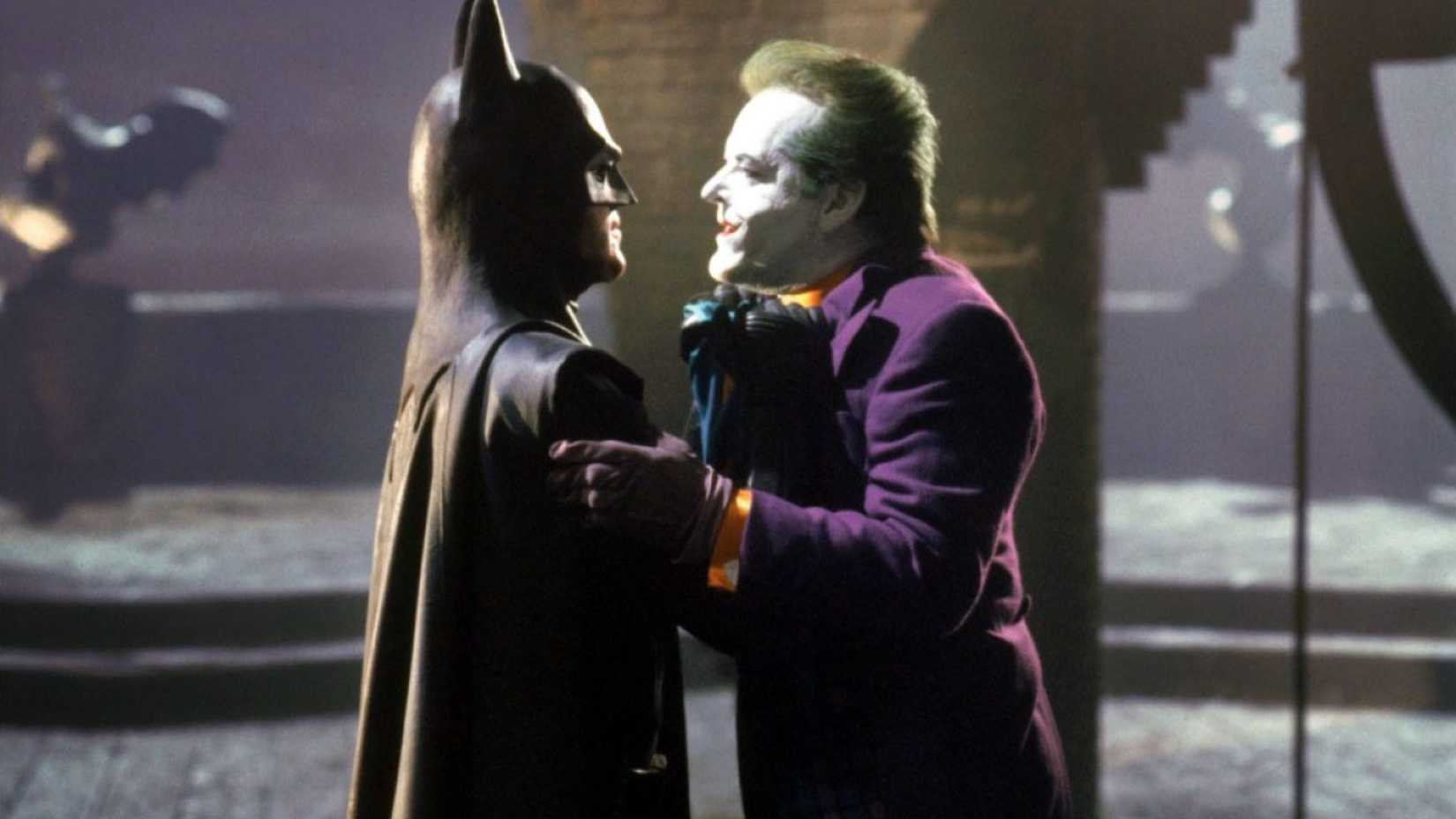
Nicholson's Joker is one of cinema's most iconic comic-book villains, and his performance in Tim Burton's Batman helped establish that superhero movies could accommodate genuinely larger-than-life antagonists.
Nicholson makes the Joker simultaneously funny and frightening. His outrageous physical comedy, bizarre facial expressions and gleefully delivered one-liners make him entertaining, but there's always an underlying sense that his amusement could turn into violence without warning. The museum sequence, in which he vandalizes priceless artwork while dancing to Prince's music, perfectly captures his warped sense of humor.
His obsession with Vicki Vale also reveals a considerably more sinister personality beneath the theatricality. His rictus grin contrasts against his sinister gaze, creating a deeply unsettling appearance. Indeed, Joker’s menace is clear but secondary to his flamboyance. Nevertheless, Batman is one of Nicholson’s most celebrated and memorable roles.
1 The Shining (1980) — Jack Torrance

Nicholson's performance as Jack Torrance in Stanley Kubrick's The Shining remains his most frightening villain role, navigating psychological deterioration, explosive aggression and an increasingly terrifying physical presence. Jack accepts a winter caretaker position at the isolated Overlook Hotel, bringing his wife and son. However, the hotel's supernatural influence turns an already troubled family situation into a nightmare.
The infamous bathroom-door sequence is the obvious highlight. After breaking through the door with an axe, Nicholson delivers the now-iconic "Here's Johnny!" before attempting to reach Wendy. It's an extraordinary moment, with his exaggerated expression making the threat even more unsettling.
Interestingly, Stephen King famously disliked Kubrick's interpretation of Jack, preferring the novel's more sympathetic portrayal of a father gradually corrupted by the hotel. Nicholson's performance is considerably more immediately threatening, making the character's transformation different from King's original intentions.
Nevertheless, Nicholson's work is perfectly suited to Kubrick's colder, more psychologically disturbing adaptation. Jack Torrance combines genuine menace, extraordinary acting and an enduring cultural legacy. Few of Jack Nicholson's other villains have inspired quite the same sense of dread, making The Shining his greatest achievement as a cinematic antagonist.
KioskNews shows a cleaned-up reading view extracted from the publisher’s page — the original always lives on their site, not ours.