8 Most Confusing Sci-Fi Books of All Time, Ranked

Dyah (pronounced Dee-yah) is a Senior Author at Collider, responsible for both writing and transcription duties. She joined the website in 2022 as a Resource Writer before stepping into her current role in April 2023. As a Senior Author, she writes Features and Lists covering TV, music, and movies, making her a true Jill of all trades. In addition to her writing, Dyah also serves as an interview transcriber, primarily for events such as San Diego Comic-Con, the Toronto International Film Festival, and the Sundance Film Festival.
Dyah graduated from Satya Wacana Christian University in October 2019 with a Bachelor's degree in English Literature, concentrating on Creative Writing. On March 2026, Dyah graduated with Master's degree in English Literature Studies, with a thesis on intersectionality in postcolonial-feminist studies in Asian literary works.
Born and raised between Indonesia and Singapore, Dyah is no stranger to different cultures. She now resides in the small town of Kendal with her husband and four cats, where she spends her free time cooking or cycling.
Sign in to your Collider account
If it isn't mind-melting, it isn't sci-fi. Over the years, the science fiction genre has evolved beyond stories centered exclusively on science, often using scientific elements as a backdrop for deeply human experiences. However, sci-fi in its purest form puts science and its related fields at the forefront, exploring just how far humanity can push scientific boundaries. These ideas aren't always easy to grasp, and following the science behind it can be just as demanding as understanding the story itself.
Even the most dedicated sci-fi fans can struggle with meticulous prose, complex theories, and unconventional storytelling. Deciphering the themes is one thing, but making it through the entire book is a challenge in itself. From fragmented narratives that blur the line between reality and fiction to stories built around challenging mathematical reasoning, here are the most confusing sci-fi books of all time, ranked.
'Dhalgren' (1975)

Set in the fictional American city of Bellona, Dhalgren follows a young man who arrives with no memories of himself, not even his name. Referred to as The Kid, he wanders through Bellona's streets, meets its eccentric residents, and gets involved with Lanya Colson, a woman living in a local commune. As he settles into this strange city, he begins experiencing bizarre events that blur the boundaries between time, identity, and reality.
Dhalgren's unusual literary style can take some getting used to. While Dhalgren isn't particularly difficult because of hard science or technical jargon, its fragmented, experimental prose can be confusing to follow. Readers are constantly thrown between incomplete thoughts, abstract observations, and sudden shifts in perspective. Much of the narration also follows a stream-of-consciousness style, making it hard to keep track of what's happening and differentiate between the Kid's mind and reality.
'Gravity's Rainbow' (1973)

Set during the final days of World War II, Gravity's Rainbow follows American soldier Tyrone Slothrop, whose sexual encounters appear mysteriously connected to German V2 rocket strikes across London. When intelligence agencies discover this bizarre pattern, they begin monitoring him, pulling him into military conspiracies, psychological experiments, and secret Nazi research surrounding rocket technology.
Thomas Pynchon certainly doesn't skimp on characters, with the novel featuring hundreds of named individuals. Keeping track of who's who, figuring out which characters actually matter, and connecting their stories to the bigger picture can feel like homework. Still, Gravity's Rainbow has plenty of bizarre, hilarious moments to keep readers entertained, including Americans being forced to eat British candy. It's a wild ride, even when you have no idea what's going on.
'The Peripheral' (2014)

Set across two different timelines, The Peripheral follows Flynne Fisher, a skilled gamer who witnesses a brutal murder while filling in for her brother on what she believes is a virtual-reality security job. Unbeknownst to her, the crime takes place in the distant future, where a London publicist named Wilf Netherton becomes entangled in a murder investigation that connects their two worlds through mysterious technological links.
If you enjoyed Netflix's Bodies, The Peripheral is an even bigger mind-bender. Besides juggling two seemingly unrelated timelines, the novel throws new characters and situations at readers without much explanation of who they are or why they matter. You're expected to figure out who's who while the plot keeps moving. William Gibson doesn't make things easier either, rarely stopping to explain what's going on.
'The Book of the New Sun' (1980–1987)

Set on a dying Earth under a dimming red sun, The Book of the New Sun follows Severian, an apprentice torturer exiled from Nessus after showing mercy to a condemned prisoner. Armed with his executioner's sword, Terminus Est, he travels across a decaying world filled with ancient technology, strange creatures, and warring factions, slowly moving toward a destiny that could change humanity's future.
The confusing part starts with Gene Wolfe's writing style, which feels closer to 19th-century literature and is packed with obscure words that most readers won't recognize. Wolfe also describes futuristic technology using unfamiliar, old-fashioned terms. Even the appendices make it all the more confusing, presenting fictional translators' notes that claim the story was translated from a language that hasn't even come into existence yet.
COLLIDERInteractive
Crew Projection
Sci-Fi/Quizzes/Hero Match
PAUL ATREIDESCAPTAIN KIRKPRINCESS LEIAELLEN RIPLEYMAX ROCKATANSKY
Collider QuizWhich Sci-Fi Hero
Are You8 Questions · 5 LegendsFive iconic heroes. Five completely different ways of facing an impossible universe. One of them shares your instincts, your values, and your particular way of refusing to back down. Eight questions will tell you which one.On The Manifest
Paul Atreides
Captain Kirk
Princess Leia
Ellen Ripley
Max Rockatansky
Jump 01 / 080% Plotted
Question 01LEADERSHIP
01How do you lead when the stakes couldn't be higher?The way you lead under pressure is the most honest thing about you.
Pick one, then Next
Jump 02 / 0812% Plotted
Question 02STRENGTH
02What is your greatest strength in a crisis?The quality that keeps you alive when everything else fails.
Pick one, then Next
Jump 03 / 0825% Plotted
Question 03MOTIVATION
03What is the thing you'd sacrifice everything else for?Your deepest motivation is your truest compass.
Pick one, then Next
Jump 04 / 0838% Plotted
Question 04PEOPLE
04How do you relate to the people around you?Who you are to others under pressure is who you really are.
Pick one, then Next
Jump 05 / 0850% Plotted
Question 05THREAT
05You're facing a threat that no one else believes is real. What do you do?How you respond when you're the only one who sees it defines everything.
Pick one, then Next
Jump 06 / 0862% Plotted
Question 06COST
06What has your heroism cost you personally?Every hero pays. The question is what, and whether they'd pay it again.
Pick one, then Next
Jump 07 / 0875% Plotted
Question 07RULES
07How do you feel about the rules of the world you're in?Every hero has a relationship with the system. What's yours?
Pick one, then Next
Jump 08 / 0888% Plotted
Question 08PURPOSE
08When everything is on the line, what keeps you going?The answer is the most honest thing about you.
Pick one, then Next
Your Hero Has Been IdentifiedYour Sci-Fi Hero Is
Your answers point to the iconic sci-fi hero who shares your instincts, your values, and your particular way of facing the impossible.
DunePaul AtreidesArrakis · Dune, 2021The hero who knows exactly what becoming one will cost.
You carry a weight most people would crumble under: the knowledge of what you're capable of, and the burden of what you might have to become.Why This Is You
- You see further ahead than others and you plan accordingly, even when the vision frightens you.
- You are driven by loyalty to your people and a sense of destiny you didn't ask for but can't escape.
- Paul Atreides is not simply a hero. He is someone who understands the cost of power and chooses to bear it anyway.
- That gravity, that willingness to carry what others won't, is exactly you.
From The Collider File
- Dune: Part Three closes Denis Villeneuve's trilogy on December 18, 2026, adapting Dune Messiah.
- Messiah is the book that turns on its own hero, which is why Villeneuve waited to film it.
Sees It ComingCarries The WeightArrakis
Star TrekCaptain KirkUSS Enterprise · Star Trek, 1966The captain who refuses to accept that a no-win scenario exists.
You lead with instinct, warmth, and an absolute refusal to accept a no-win scenario, because you've always believed there's a third option nobody else has thought of yet.Why This Is You
- You take the mission seriously without ever taking yourself too seriously.
- Your crew would follow you anywhere, not because you demand it, but because you've earned it.
- Kirk's genius isn't tactical, it's human. He reads people, bends rules with purpose, and wills outcomes into existence through sheer conviction.
- That combination of warmth, audacity, and relentless optimism is unmistakably yours.
From The Collider File
- Paul Wesley's Kirk took the center chair in Strange New Worlds season 4, which premiered July 23, 2026.
- The producers have confirmed Kirk stays with the show through its final season.
No-Win ScenarioCrew FirstStarfleet
Star WarsPrincess LeiaThe Rebellion · A New Hope, 1977The one who holds the line when the line is all that's left.
You are the kind of person who holds the line when everyone else is losing faith, not because you're fearless, but because giving up simply isn't something you're capable of.Why This Is You
- You lead through conviction. Your voice carries because your belief is unshakable.
- You gave up everything ordinary the moment you chose the cause, and you've never looked back.
- Leia is not a supporting character in her own story. She is the moral center of the entire rebellion.
- That same fierce, principled, unbreakable core is what defines you.
From The Collider File
- Carrie Fisher was 19 when she shot A New Hope, and Leia's first scene in the saga is a refusal.
- Lucasfilm ruled out recreating her digitally, so her last appearance was built from footage she had already filmed.
Holds The LineThe CauseRebellion
AlienEllen RipleyThe Nostromo · Alien, 1979No speeches. Just the person still standing at the end.
You are not reckless, not grandiose, and not particularly interested in being anyone's hero. You just refuse to stop when it matters.Why This Is You
- You see threats clearly, you document the truth even when no one listens, and when the time comes you handle it yourself.
- Ripley's heroism is earned, not performed. She doesn't have a speech. She has a plan and the nerve to see it through.
- You share her composure under the worst possible pressure, and her refusal to pretend the monster isn't there.
- When it counts, you don't flinch. That's everything.
From The Collider File
- FX renewed Noah Hawley's Alien: Earth for a second season, pushing the franchise onto the home planet.
- Sigourney Weaver has said she is seriously weighing a return to Ripley after reading a new script.
No SpeechesHandles ItNostromo
Mad MaxMax RockatanskyThe Wasteland · Mad Max, 1979Lost everything, kept going anyway.
You have been through fire that would break most people, and what came out the other side is something the world underestimates at its peril.Why This Is You
- You don't ask for help, don't need validation, and don't wait for anyone to tell you the rules no longer apply.
- Your loyalty, when it finally arrives, is absolute, but it's earned in silence and tested in action, not in words.
- Max is not a nihilist. He is someone who lost everything and found, against his will, that he still has something worth protecting.
- That bruised, stubborn, ultimately human core is exactly yours.
From The Collider File
- George Miller has a script for the next Mad Max, The Wasteland, but has said only that we will see whether it gets made.
- The 1979 original was shot for a few hundred thousand Australian dollars and became one of the most profitable films ever made.
Outlasts ItEarned LoyaltyWasteland
Crew Match
1· · ·0%
2· · ·0%
3· · ·0%
Copied
A Collider InteractiveCOLLIDERMore quizzes at collider.com
'Blindsight' (2006)
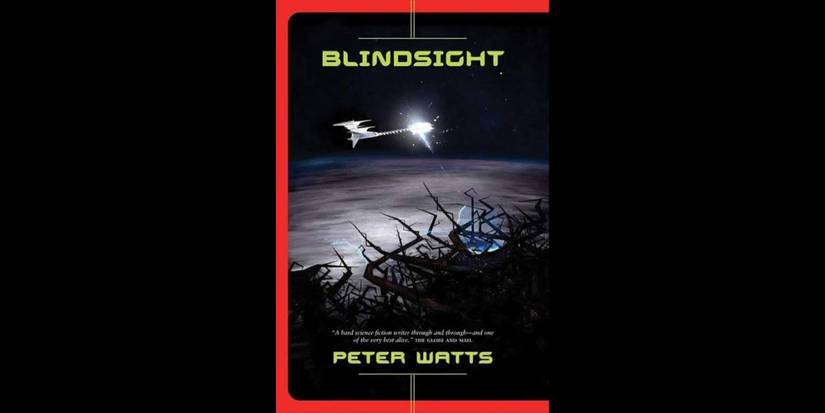
Humanity's first encounter with extraterrestrial life doesn't exactly go as expected in Blindsight. Set in 2082, the novel follows five transhuman specialists sent aboard the spaceship Theseus to investigate a mysterious signal near the edge of the solar system. Their search leads them to Rorschach, a massive alien structure inhabited by creatures called Scramblers. Despite their intelligence, these beings show no signs of self-awareness, raising some pretty unsettling questions about life itself.
Peter Watts takes this strange discovery and turns it into a full-blown exploration of human consciousness. The novel gets particularly confusing when it starts challenging the very concept of consciousness, mixing complex neuroscience, evolutionary biology, and philosophical arguments into its alien encounters. The idea gets even harder to wrap your head around when the novel suggests that consciousness might actually hold humanity back.
'Anathem' (2008)

Neal Stephenson's Anathem takes place on the planet Arbre, where scholars live in secluded monasteries called concents, dedicating their lives to science, philosophy, and mathematics. However, their untouched world is disrupted when an alien spacecraft appears in orbit. Fraa Erasmas, a young monk-in-training, joins his fellow scholars in investigating the mysterious visitors, only to discover that there's much more to their arrival than anyone expected.
The real brain workout comes from Stephenson's wild scientific ideas, which touch on consciousness, quantum physics, parallel universes, and alien civilizations. The novel also explores how mathematics might exist independently of the physical world and even shape reality. Between complicated theories, conflicting timelines, and multiple layers of existence, keeping track of what's actually happening can be a challenge.
'Diaspora' (1997)

Set in the 30th century, Diaspora imagines a future where humanity has moved far beyond its biological origins. Humans now share the world with artificial intelligences and digital minds living in simulated environments called "polises." When astronomers spot a cosmic disaster heading toward Earth, a group of physicists sets out to investigate.
It takes a serious amount of brainpower to keep up with Greg Egan's take on physics. Rather than sticking to established scientific theories, he introduces his own framework, called Kozuch Theory, to explain how particles work through some pretty unconventional ideas. The science gets increasingly difficult to wrap your head around as Egan introduces concepts that challenge everything readers know about how the universe works.
'The Three-Body Problem' (2006)
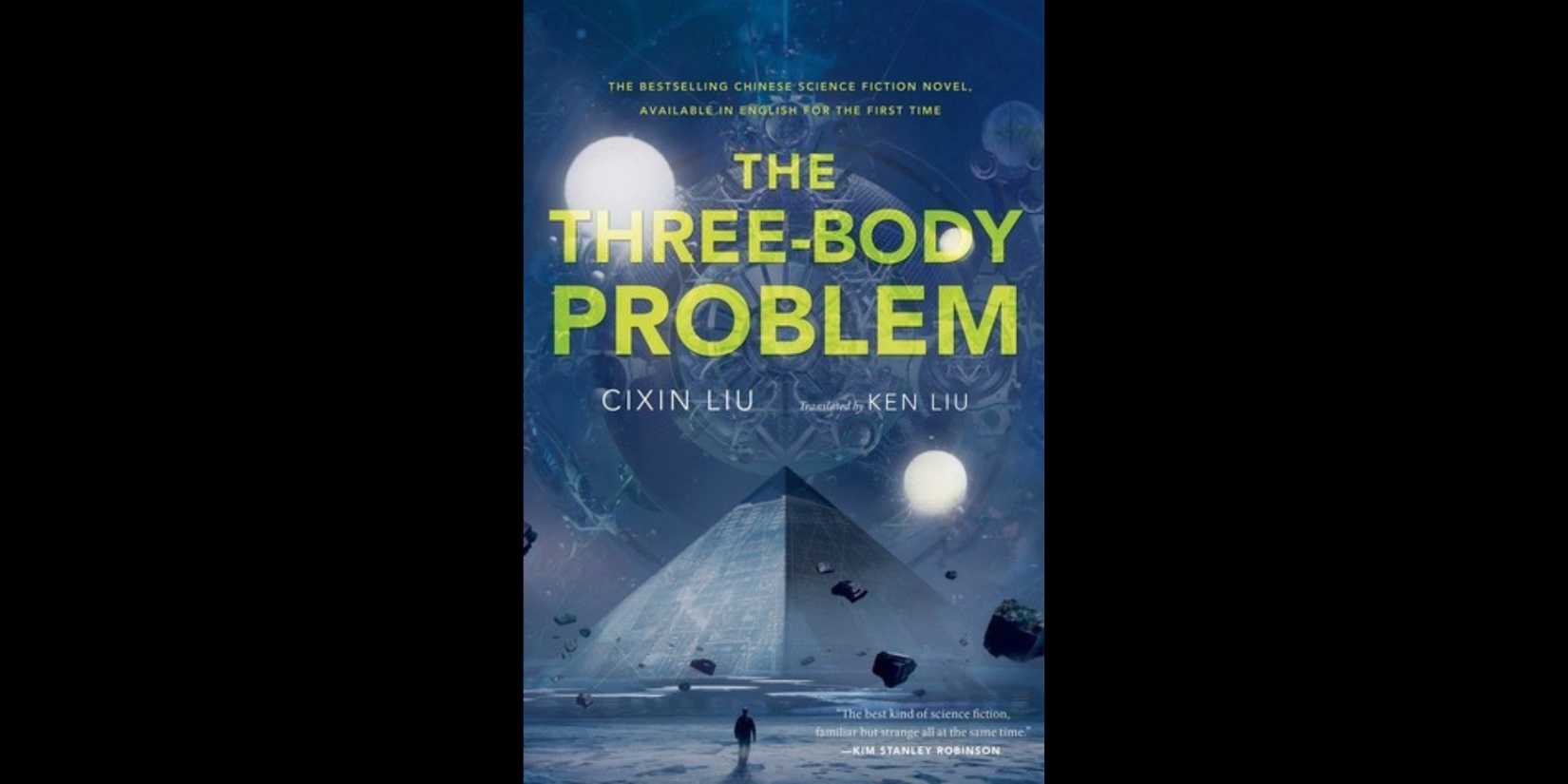
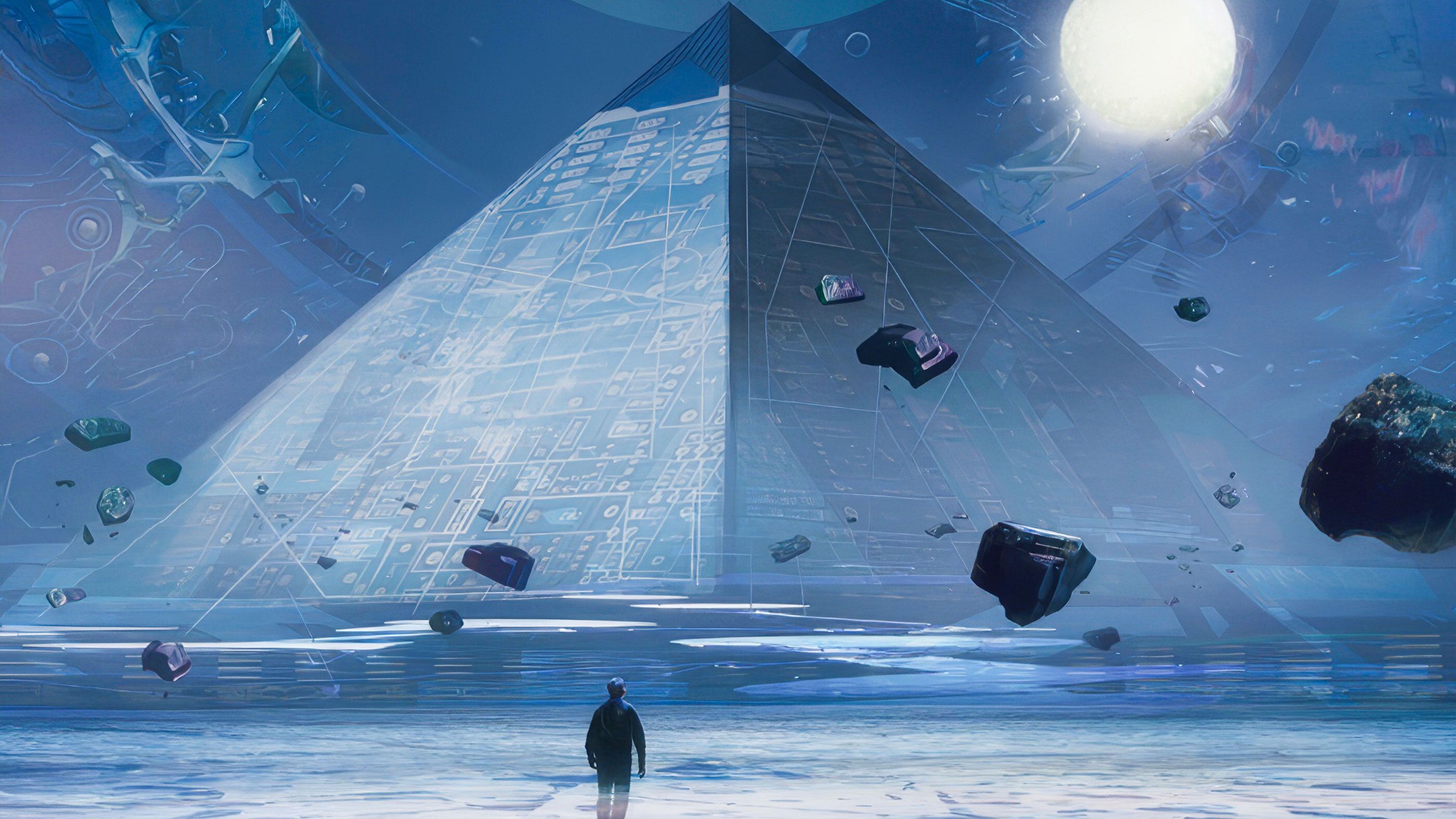
The Three-Body Problem opens during China's Cultural Revolution, when astrophysicist Ye Wenjie gets involved in a secret military project searching for extraterrestrial life. After receiving an unexpected message from an alien civilization on Trisolaris, she makes a decision that puts humanity’s future on the line. Centuries later, Earth discovers that an alien invasion is coming.
The science is already demanding enough, as Liu Cixin takes a classical physics concept and expands it into an extreme hypothesis. Imagine a planet caught between three suns, constantly shifting between extreme heat and freezing temperatures because of their unpredictable gravitational pull. The characters don't make things easier either. They're emotionally distant and often feel like vehicles for scientific discussions, with conversations that read more like lectures. Here's hoping the science and characters are easier to understand when the Netflix adaptation returns in January 2027.
3 Body Problem
8 10
- Release Date
- March 21, 2024
- Network
- Netflix
- Showrunner
- David Benioff, D.B. Weiss
- Directors
- Minkie Spiro, Jeremy Podeswa, Derek Tsang Kwok-Cheung, Andrew Stanton
-

Saul Durand
-

Thomas Wade
- Writers
- David Benioff, D.B. Weiss, Alexander Woo, Madhuri Shekar, Rose Cartwright
- Main Genre
- Sci-Fi
- Seasons
- 2
- Producers
- Steve Kullback, Hameed Shaukat
- Creator(s)
- David Benioff, D.B. Weiss, Alexander Woo
- Where To Watch
- Netflix
- Executive Producer(s)
- Alexander Woo, Brad Pitt, D.B. Weiss, David Benioff, Dede Gardner, Gao Xiaosong, Jeremy Kleiner, Lauren Ma, Lin Qi, Nena Rodrigue, Ram Bergman, Rian Johnson, Robie Uniacke, Rosamund Pike, Zhao Jilong, Bernadette Caulfield
KioskNews shows a cleaned-up reading view extracted from the publisher’s page — the original always lives on their site, not ours.