Hong Kong joins global drug body ahead of schedule, boosting regulatory ambitions
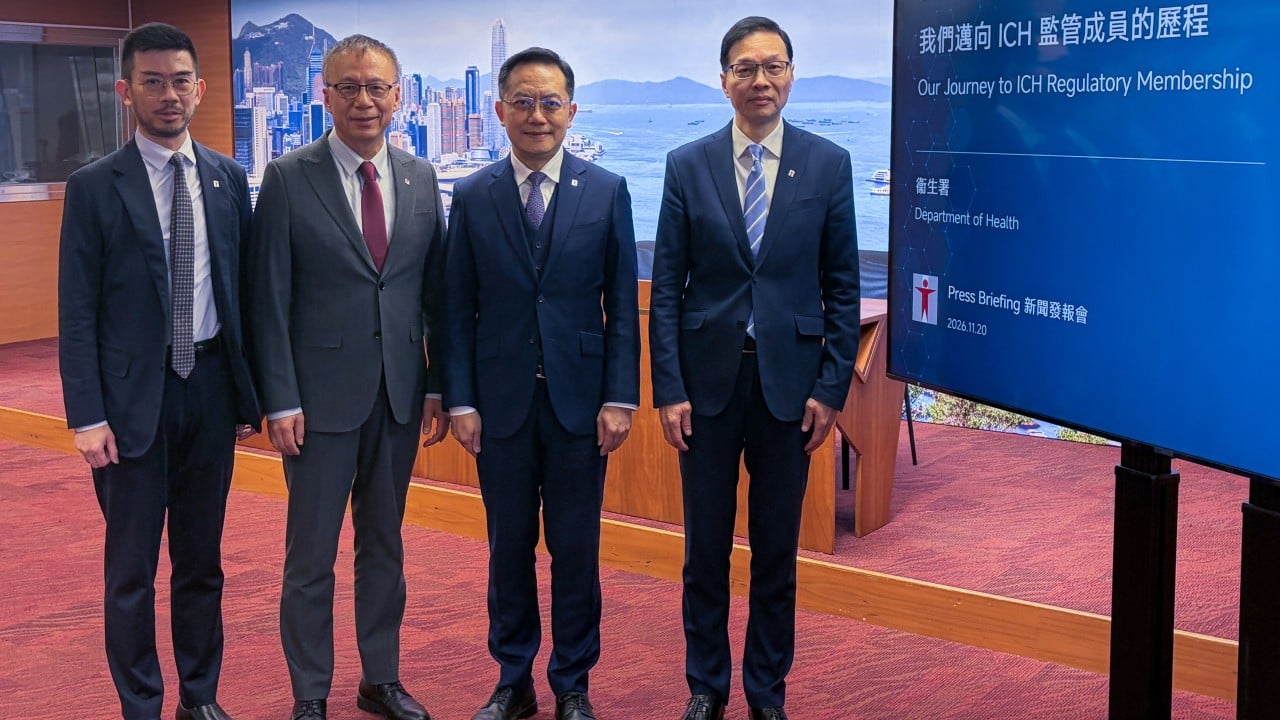
Hong Kong has joined a global body for drug regulators ahead of schedule, a move health authorities say brings the city closer to establishing its own internationally recognised regulatory authority.
The city was admitted as the 20th regulatory member of the International Council for Harmonisation of Technical Requirements for Pharmaceuticals for Human Use (ICH) at an assembly meeting in Prague on Tuesday. It is poised to become a crucial “bridgehead” for mainland Chinese drugs to reach global markets amid current geopolitical tensions.
“After becoming an observer, it took us three years to become a regulatory member of the ICH, which is substantially faster than our original prediction of eight to 10 years. This showed that the SAR government has long attained top standards in drug and medical device regulation, and our determination in safeguarding public health,” Director of Health Ronald Lam Man-kin said at a press briefing on Friday.
The ICH is a non-profit organisation that brings together regulators and drug makers to harmonise technical requirements for the development and registration of safe, effective and high-quality medicines.
Since Hong Kong became an observer in 2023, health authorities have worked towards regulatory membership by attending meetings, appointing experts to ICH working groups and implementing its guidelines locally.
Lam attributed the rapid progress to the city’s strong regulatory foundations, as well as guidance and support from the National Medical Products Administration, the Hong Kong and Macau Affairs Office and the Chinese foreign ministry’s office in the city.
He said health authorities had also set up a task force to engage industry representatives and understand their regulatory needs.
Other ICH regulatory members include authorities from mainland China, Singapore, Switzerland, the United Kingdom and the United States.
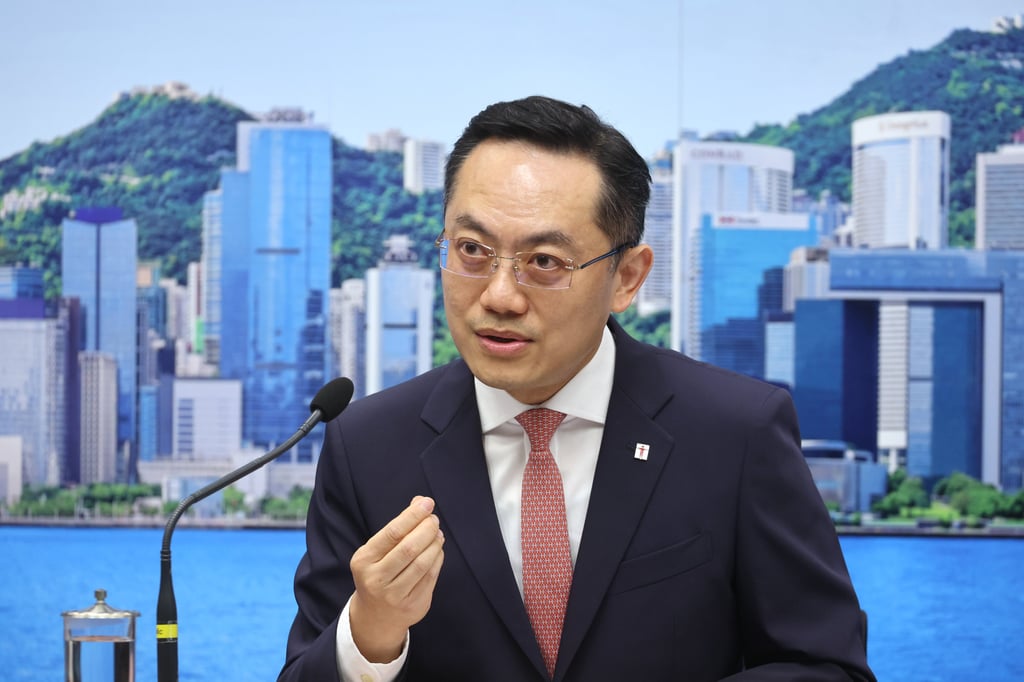
“As a member of the ICH, we are now a player, a rule-maker and potentially a forerunner in international standards,” Lam said.
“Why are we becoming an international health and medical innovation hub? Because many innovative drugs will be able to access the mainland market through the drug regulatory regime of Hong Kong. Similarly, innovative drugs from the mainland could go global thanks to our international recognition.”
Authorities previously announced plans to introduce primary evaluation in phases by 2030, allowing Hong Kong to assess and approve drugs and medical devices independently, without relying on overseas approvals.
To facilitate that process, the government launched the 1+ mechanism in November 2023, allowing drug makers to seek registration in Hong Kong for products supported by local clinical data and approval from one foreign regulatory authority rather than two.
Lam said the government would not rule out bringing the 2030 timetable forward once the city had built up sufficient talent, expertise and experience, particularly for major innovative drugs to treat serious or rare conditions.
Since the first phase began in March this year, authorities have received five applications from mainland and overseas drug makers covering changes to therapeutic indications, dosages and product presentations.
Lam said 40 posts, including four at directorate level, would be added to the Centre for Medical Products Registration (CMPR), Hong Kong’s official drug regulator. These would be in addition to the Department of Health’s existing 420 regulatory affairs staff.
He added that Hong Kong joined the Pharmaceutical Inspection Co-operation Scheme (PIC/S) in 2016. The scheme focuses on setting standards for drug manufacturing and quality systems. According to its website, China applied for membership in 2023, but its application has yet to be approved.
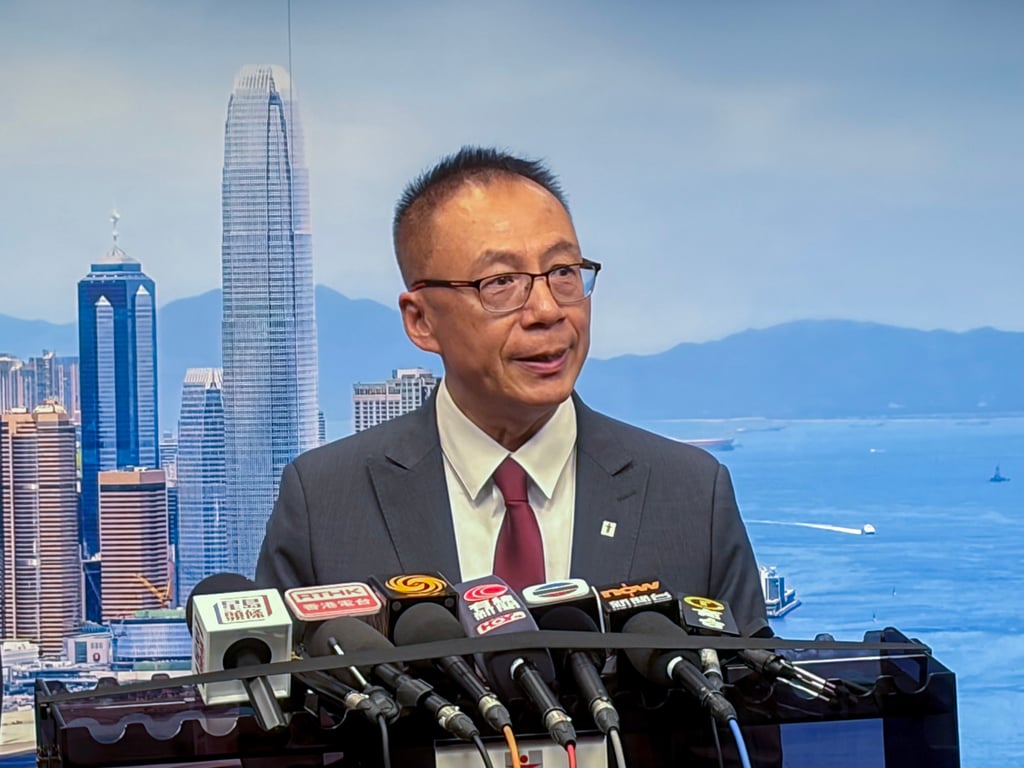
Controller for Medical Products Registration Li Zhili said ICH standards provided a common technical foundation that helped reduce duplication and synchronise drug development worldwide.
“Taking China and the United States as an example, with the reform of our country’s drug regulations and the ICH itself, the lag time [of a drug’s approval] between the two countries has substantially narrowed,” he said.
“Today, for some products and indications, approvals in China and the US are essentially granted simultaneously in many cases, and China sometimes even precedes the US. This not only reflects the achievements of China’s drug regulatory reforms but also the success of global drug development strategies and industry collaboration.”
Professor Alber Yu Cheung-hoi, founder and president of the Hong Kong Biotechnology Organisation, said ICH membership marked a milestone, strengthening the city’s credibility as a “bridgehead” for Chinese drugs entering global markets and overseas drugs reaching the mainland.
Yu said Hong Kong stood out among the 20 regulatory members, particularly for mainland companies, because the “certified in Hong Kong” label remained widely recognised and trusted despite current geopolitical tensions.
“If drugs are approved in Hong Kong, it might be easier for them to obtain approval elsewhere... it is the best stepping stone for mainland drugs,” he said.
He added that it was difficult to predict how many more drugs would be submitted for registration in Hong Kong, but many mainland drugmakers had expressed interest during talks he had given there.
“CMPR gives them one more way to prove that their drugs actually work. We couldn’t say Hong Kong is an easier way, but it is for sure a transparent one that gives them predictability and eases their worries,” he said.
KioskNews shows a cleaned-up reading view extracted from the publisher’s page — the original always lives on their site, not ours.