Whale snot helps scientists sequence an entire genome
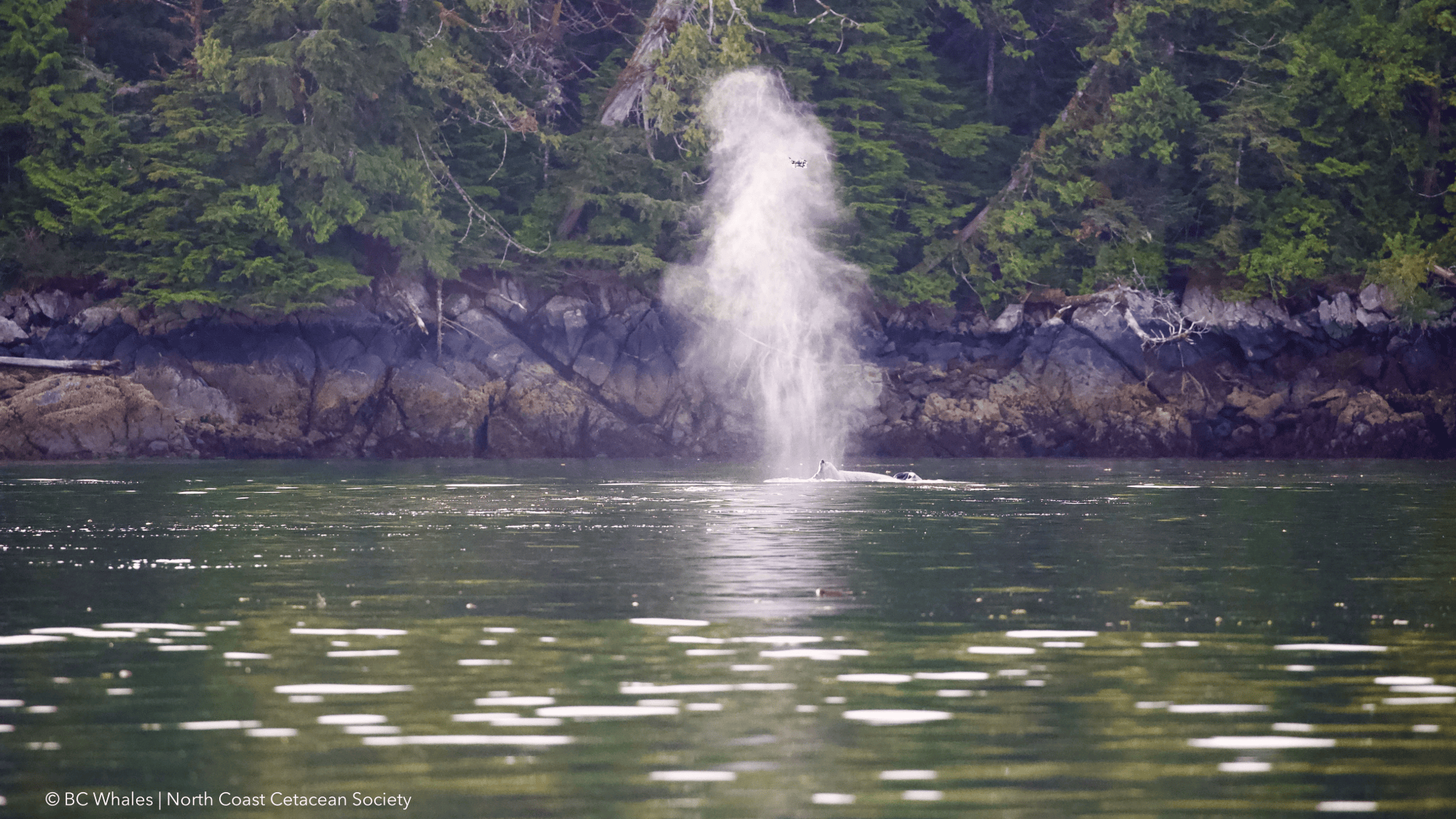
Whale vomit can be turned into expensive perfume. Whale carcasses will sink to the bottom and become marine life habitats. Whale pee nourishes the entire ocean. But how about whale snot? The microbes and other biological material emitted from their blowholes when the giant cetaceans breathe has helped scientists sequence an entire whale genome: Take that whale vomit. The findings are detailed in a study published today in the journal Molecular Ecology Resources.
Drones and snot
Whole genomes are crucial for animal conservation. With genomic data, researchers can measure population health, to see how much genetic diversity and inbreeding is present. It can also help identify individual animals for monitoring, help determine an animal’s sex, and estimate the population’s size.
To obtain genetic data from whales, marine biologists historically have had to conduct a skin biopsy. They’ll take a dart, stick it into the whale’s blubber, and take a small sample of the skin and blubber. However, during sampling, boats must get close to the whales, which can disturb them. In some locations and for some endangered species, getting close enough to take a biopsy isn’t permitted or possible.
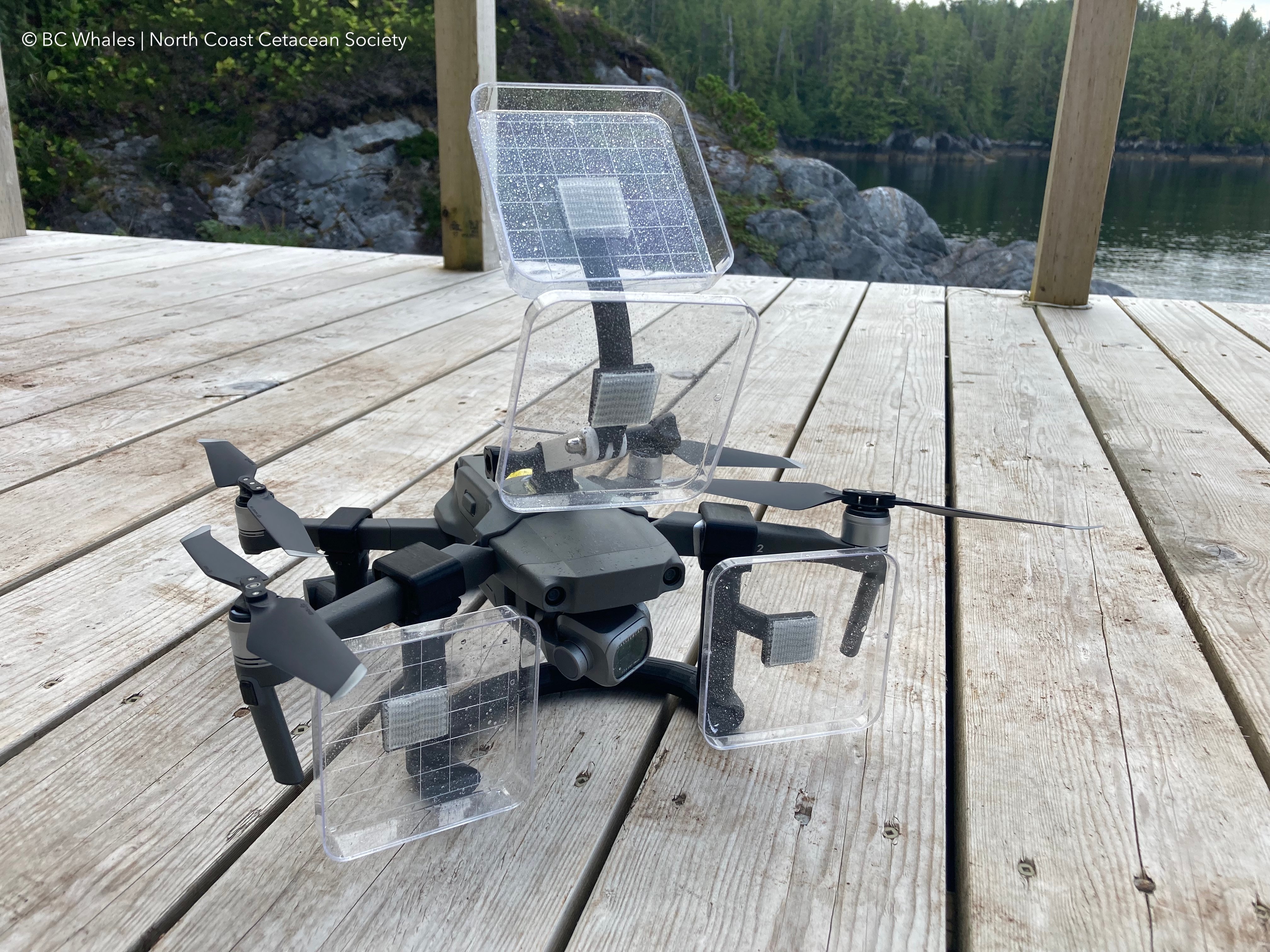
That’s where whale snot—or blow—comes in. For this study, a team from Scotland’s University of St. Andrews, the University of Copenhagen in Denmark, the North Coast Cetacean Society, and Fisheries and Oceans Canada used several small drones off the coast of British Columbia. The drones were equipped with sterile petri dishes to collect the samples.
The team flew the drone through the exhaled breaths of one North pacific humpback whale (Megaptera novaeangliae kuzira) at a time, but still sampled several individual whales. The humpbacks generally took one to six breaths every time they surfaced—covering the drone and the dishes in whale snot.
The team collected 58 blow samples from 26 individual humpback whales. They also took repeated samples from the same whales, collected in different encounters and across two years to match the genomes. They then cross-referenced the genomes collected from the whale blow with genomes sequenced from traditional blubber biopsies taken from the same animals.
To keep the DNA from mixing, the team targeted the whale most upwind in the pod, since the blow downwind might mix with the blow from the whales up ahead. Resting whales were never sampled, and the team stopped the drone flights if a whale showed any reaction. More than one third of samples were collected by flying the drone directly from land—no boat required.
The DNA was sequenced to produce two types of genomes. Low-coverage nuclear genomes, which are inherited from both parents, and high-coverage mitochondrial genomes, which are inherited from the mother only.
What snot can tell us about humpbacks
The team found that the genetic diversity estimated from the blow samples was very similar to the estimates taken from traditional biopsies. Fortunately, the humpback population in the study shows little evidence of recent inbreeding. There is a small proportion of the genome that has long stretches of identical DNA, but the team believes that most likely reflects distant shared ancestry or past population bottlenecks.
According to the team, this research marks one of the first whole genome datasets for a group of North Pacific humpback whales. Previously, only one North Pacific humpback whole genome was publicly available.
“We will use these blow-derived genomes to not only assess population structure and health, but also assess kinship and family ties among humpback whales foraging in northern British Columbia,” Dr. Éadin O’Mahony, a study co-author and marine mammal ecologist who was at the University of St. Andrews at the time of the study, said in a statement. “The aim is to understand how their social bonds form: Are the whales that forage together family, or long-term friends?”
As expected, the North Pacific humpback whales were genetically distinct from their counterparts living in the North Atlantic. This confirms that data taken from whale blow works as well from data taken from conventional biopsies. The drone-captured genetic analyses also correctly determined every whale’s sex, and revealed three previously undescribed mitochondrial DNA variants, which could help show how some of these whales are related. The blow from whales swimming in groups also did not have any sign of contamination from neighboring whales.
About 16 percent of the DNA in each blow sample were also primarily from the microbes living in the whale’s airways. According to the team, this indicates that a single breath could tell us about the individual whale and its respiratory microbiome, opening up a potential new window into cetacean health.
KioskNews shows a cleaned-up reading view extracted from the publisher’s page — the original always lives on their site, not ours.