8 Fantasy Books That Are Definitely Not for Kids


Luc Haasbroek is a writer and videographer from Durban, South Africa. He has been writing professionally about pop culture for eight years. Luc's areas of interest are broad: he's just as passionate about psychology and history as he is about movies and TV. He's especially drawn to the places where these topics overlap.
Luc is also an avid producer of video essays and looks forward to expanding his writing career. When not writing, he can be found hiking, playing Dungeons & Dragons, hanging out with his cats, and doing deep dives on whatever topic happens to have captured his interest that week.
Sign in to your Collider account
Fantasy may be filled with adventures and amazing creatures, but none of those things automatically make it children's literature. In fact, some of the genre's greatest authors use magic and imaginary worlds to explore subjects that are every bit as brutal and disturbing as anything found in crime or horror fiction.
With that in mind, this list looks at a few especially violent and grim fantasy novels. The titles below may contain some elements that seem like they could entertain a kid, but ultimately they are way too gory and morally gray for young readers.
8 'The Fifth Season' (2015)

“Let's start with the end of the world, why don't we? Get it over with and move on to more interesting things.” The Fifth Season begins with the end of the world, and somehow things become considerably worse from there. The story takes place on a continent repeatedly devastated by catastrophic geological events, which certain people, known as orogenes, can manipulate. They are powerful but feared, even hated, exploited and brutally controlled by their society.
Most of the content that makes this book kid-unfriendly involves the orogenes. There is violence against children, including infanticide, as well as torture and mutilation. There is slavery and forced breeding, as well as systematic psychological erasure and rebuilding. That's pretty grim stuff, yet the novel is still worth reading, jam-packed with compelling fantasy concepts and interesting, three-dimensional characters.
7 'The Poppy War' (2018)
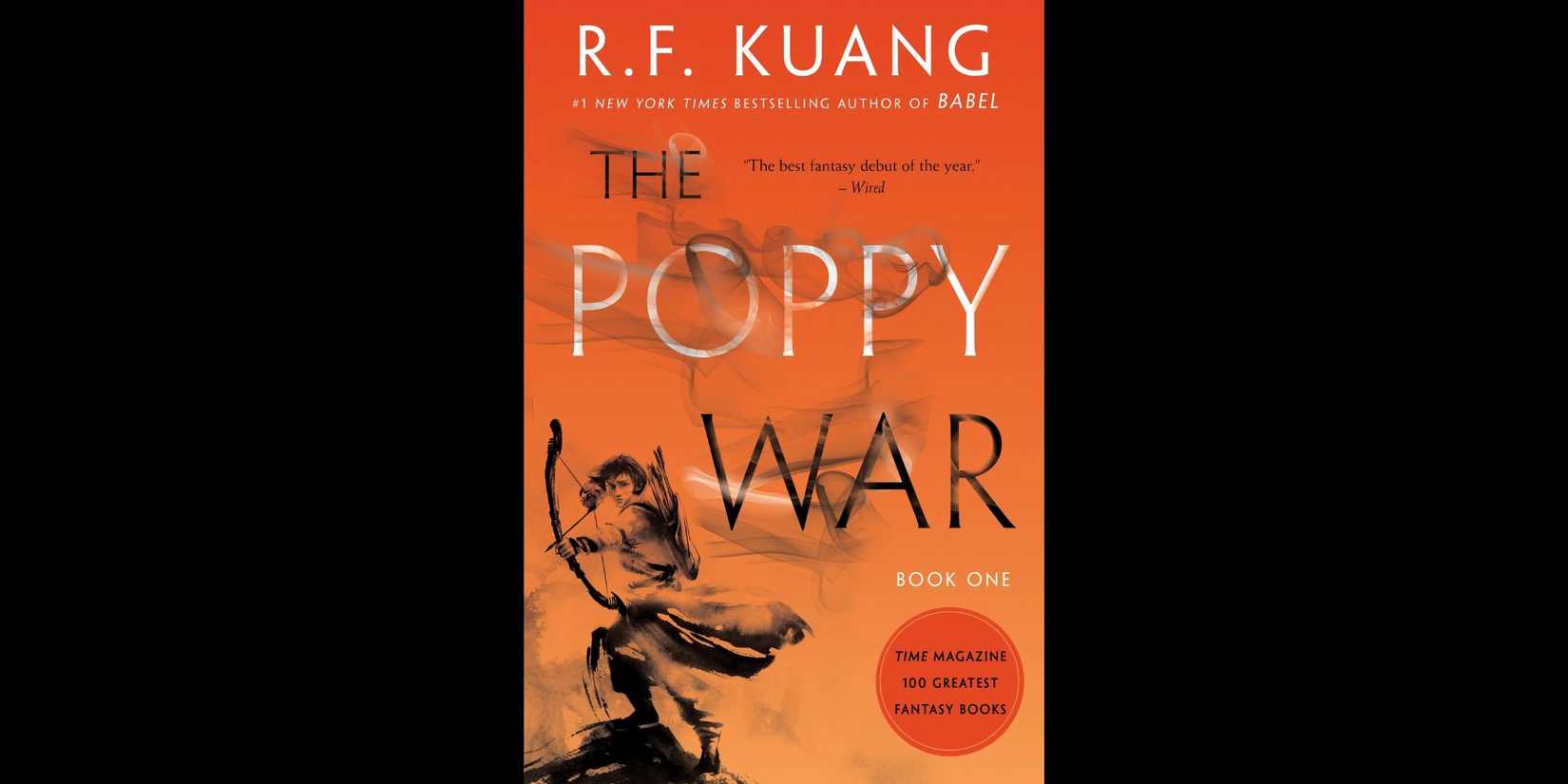
“War doesn't determine who's right. War determines who remains.” This was the breakout book for author R.F. Kuang, who has since written further bangers like Babel and Katabasis. In it, our protagonist Rin escapes an unwanted arranged marriage by earning admission to the prestigious Sinegard military academy. There, she must grapple with cruel rivals as well as her own extraordinary aptitude for shamanism. From there, the novel ups the ante considerably, soon plunging Rin into total war.
The conflict in The Poppy War draws on real historical inspirations, particularly the Second Sino-Japanese War, meaning the violence hits a lot harder than most fantasy battles. There are genuine atrocities, rendered in unflinching detail, including mass murder and agonizing human experiments. There is also substance abuse and addiction, self-harm and PTSD, all of it shot through with deep undercurrents of nihilism.
6 'The Lies of Locke Lamora' (2006)
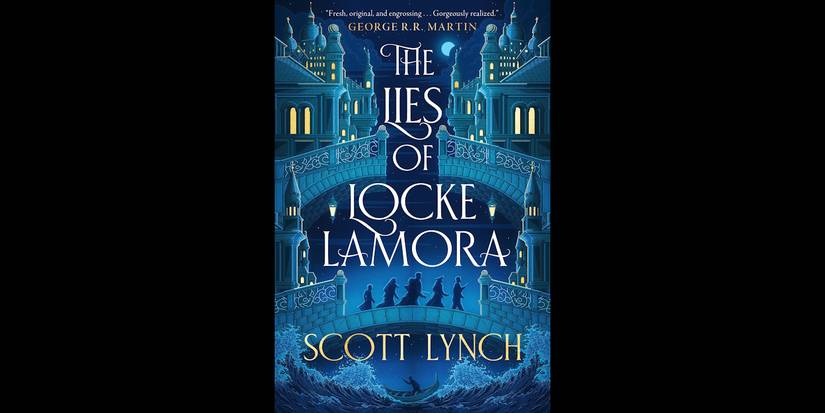
“There's no freedom quite like the freedom of being constantly underestimated.” While it's a lot lighter in tone than most of the books on this list, essentially a fantasy riff on a crime caper, The Lies of Locke Lamora is still very much not for kids, not at least because it's full of colorfully vulgar language. Story-wise, the book's about a gang of lovable thieves who pull off elaborate confidence schemes in the Venice-inspired city of Camorr.
There's a lot of swearing, banter, hijinks, camaraderie, and playfulness here, but also darkness and violence. The action unfolds against a backdrop of brothels and drug dens, pubs and gambling tables, and the story is populated with brutal criminals, scheming mages, and mafia figures who almost turn the infliction of pain into a kind of performance art. On top of that, there are some shocking character deaths that totally shatter the fun mood.
5 'The Blade Itself' (2006)
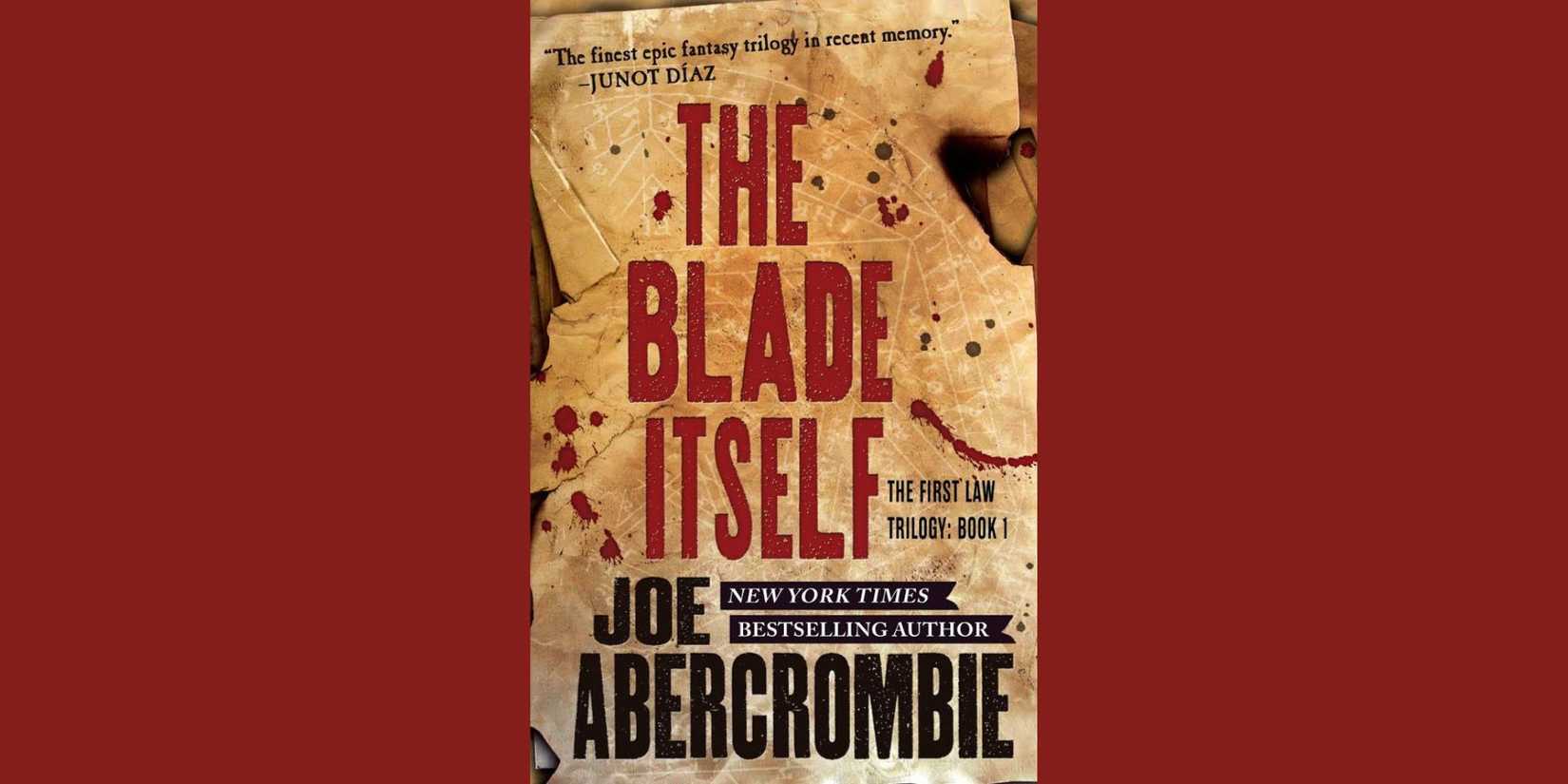
“Once you've got a task to do, it's better to do it than live with the fear of it.” The Blade Itself is one of the most beloved works of grimdark fantasy, led by a trio of damaged protagonists. Sand dan Glokta is a former war hero who was tortured for years and now works as a torturer himself. Logen Ninefingers is a notorious warrior whose reputation for violence follows him everywhere. Even the handsome young nobleman Jezal dan Luthar is vain and selfish.
The language these characters use is exceptionally harsh and modern, a far cry from the PG poetry the genre usually deals in. Additionally, the violence is plentiful and visceral, gory and utterly unglamorised. Fights lead to decapitations, shattered bones, spilled guts, and grisly infections. The overall mood is bleak, with even the more 'moral' figures in the story still driven by trauma and self-interest.
4 'The Black Company' (1984)

“Evil is relative. You can't hang a sign on it.” Another grimdark classic, one that hugely influenced the development of the whole subgenre. Bucking genre convention, the book focuses on a mercenary outfit, a group of soldiers who go wherever they're paid to go. Whether their employer happens to be morally defensible is almost beside the point. That becomes particularly uncomfortable when the Company enters the service of the Lady, the terrifying ruler of an empire supported by powerful sorcerers known as the Ten Who Were Taken.
That ground-level perspective gives The Black Company a very different flavor from traditional epic fantasy. Grand magical conflicts still occur, but we experience them alongside exhausted professional soldiers who have limited understanding of the supernatural powers manipulating events around them. For the most part, they're just trying to survive from one day to the next in a world of mud, blood, and mayhem.
3 'The Morning Star' (2020)

“Man is a creature that has been allowed to live in the world without knowing why.” This is a very, very subtle kind of fantasy, a genre hybrid really. Most of the time, The Morning Star feels like a realist drama, but there are occasional flashes of supernatural darkness. A mysterious new star hangs in the sky and characters catch glimpses of monstrous figures outside their windows. Animals behave oddly, strange creatures appear, and people stop dying altogether, meaning that age-old philosophical questions about mortality acquire unsettling new urgency.
The book was written by the brilliant Karl Ove Knausgård, author of the My Struggle autobiographical novel series. Because he's known for realistic, psychological fiction, the otherworldly elements in The Morning Star are even more striking, even more so because they are well-timed and relatively rare. The result is an uncanny, macabre book full of disturbing nightmare imagery.
2 'Beyond Redemption' (2015)
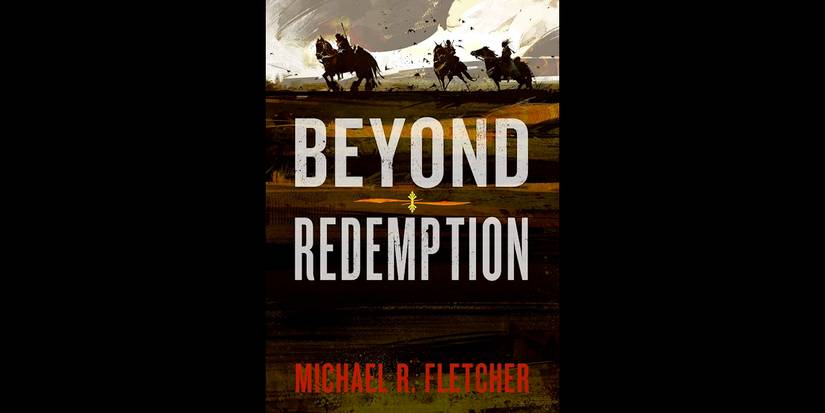
“Faith shapes the world.” This dark fantasy boasts one of the most disturbing magic systems in the genre: sufficiently powerful belief can alter reality itself. If someone believes strongly enough, their delusions can acquire supernatural power. The implications are horrific. Beyond Redemption is full of characters whose abilities emerge from extreme psychological conditions, creating a society where the maddest people are often the most powerful. The scariest of them believe they are dead, meaning they morph into rotting, undead assassin machines.
Against that grim backdrop, the unsavory protagonists Bedeckt, Stehlen, and Wichtig become involved in a scheme surrounding a young boy being groomed for supposed divinity. These men are murderers, thieves, and sociopaths who pretty much lack any of the redeeming qualities we typically expect from antiheroes, and their adventure is punctuated by bleak comedy and outbursts of grotesque violence.
1 'A Storm of Swords' (2000)
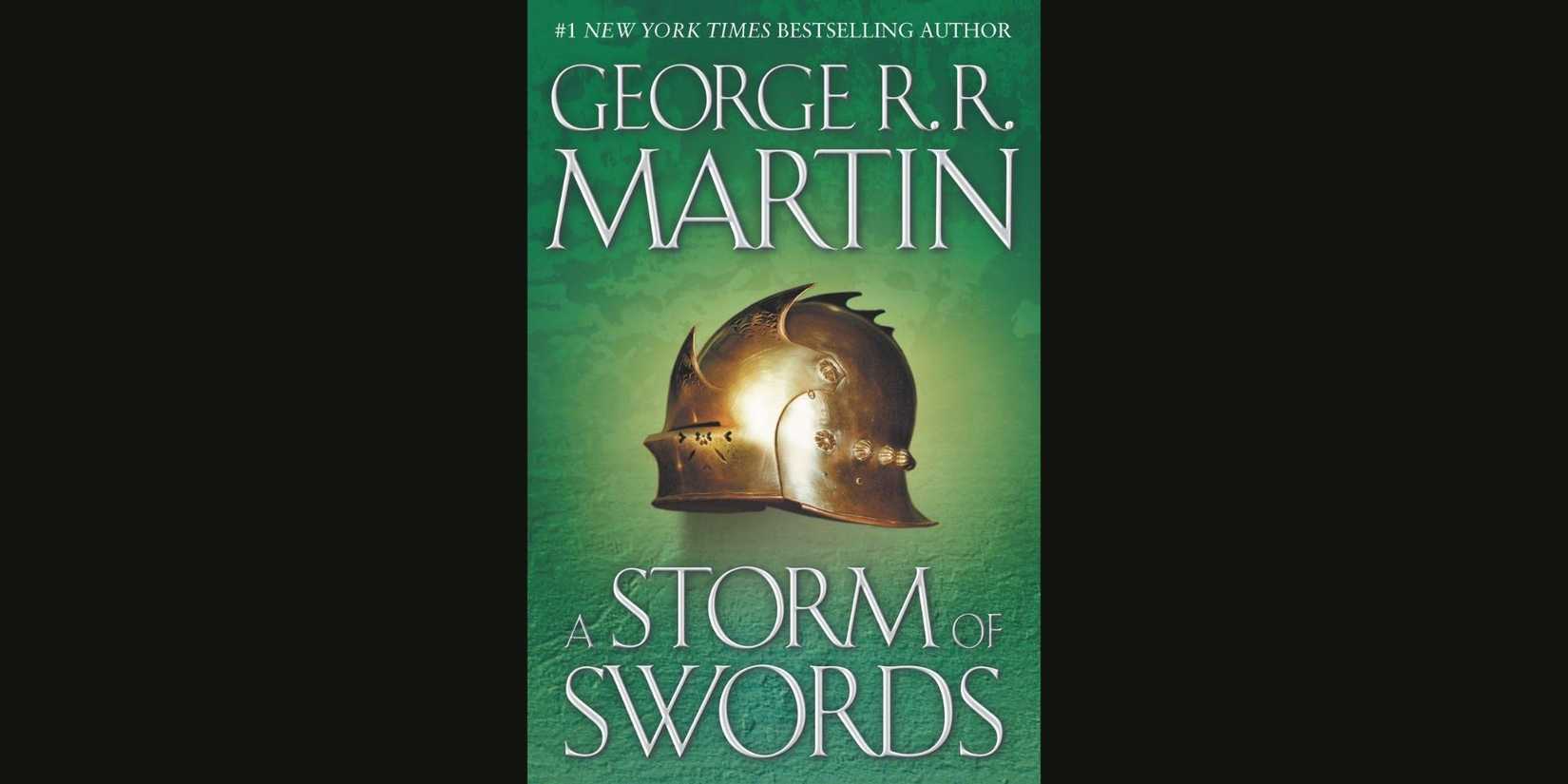
“Some battles are won with swords and spears, others with quills and ravens.” This is probably the best Game of Thrones book, and possibly the most intense. The third installment in the series, A Storm of Swords is replete with escalating warfare, collapsing alliances, accumulating betrayals, and some of the saga's most infamous moments. Indeed, the Red Wedding alone would earn the novel a place on any list demonstrating how far fantasy can travel from comforting escapism.
There are descriptions of limbs being hacked off, characters going mad from imprisonment or dying agonizingly from infections, and an iconic, gruesome trial-by-combat duel that culminates in a character's skull being crushed. What prevents all this brutality from becoming empty spectacle is GRRM's deep investment in character and consequence. Rather than being mere torture porn, the violence is a crucial part of the plot.
Collider Exclusive · Game of Thrones Personality Quiz Which Game of Thrones House Do You Belong To? Stark · Lannister · Targaryen · Baratheon · Tyrell
Five great houses. Five completely different answers to the same question: how do you hold power in a world that will take it from you the moment you stop paying attention? Eight questions will determine where your loyalties — and your nature — truly lie.
🐺Stark
🦁Lannister
🐉Targaryen
🦌Baratheon
🌹Tyrell
01
Someone powerful is acting dishonourably and everyone knows it. What do you do? In Westeros, the answer to this question has ended more than one great house.
02
What is the source of your power? Every house endures because of something. What is it for yours?
03
Who do you truly fight for? Strip away the banners and the words. The honest answer tells you everything.
04
How do you deal with your enemies? A house's method reveals its character as clearly as its words ever could.
05
What kind of ruler do you believe in? Westeros is full of answers to this question. Most of them end badly.
06
You suffer a devastating loss. How does your house respond? How a house handles defeat tells you more about it than how it handles victory.
07
Which of these truths about Westeros do you most believe? Every house has a philosophy. This is yours.
08
The Iron Throne is within reach. What do you do? The answer reveals not just your ambition — but your character.
The Maester Has Spoken Your House Is…
Your answers point to the great house whose words, values, and way of surviving in Westeros match your own. Bend the knee — or don't. That's very much up to you.
🐺 House Stark
Winter is Coming — and you have always known it. You prepare not out of fear but out of duty, because the people who depend on you deserve someone who takes the long view.
- You lead with honour even when it costs you, because you understand that a reputation built on integrity is the only one worth having.
- Your loyalty to family and people runs deep — not as sentiment but as a code that doesn't bend when things get difficult.
- The North endures because Starks endure — not by being the cleverest players in the game, but by being the kind of people others are willing to follow into the cold.
- You are that kind of person. The pack survives. The lone wolf dies. You already know which one you are.
🦁 House Lannister
You understand the game — its rules, its exceptions, and exactly when the rules become the exception. You play it without illusions and without apology.
- You are sharper than most people realise, and you have learned to use that gap to your advantage.
- A Lannister always pays their debts — and you always keep your word, because your word is an instrument of power, and instruments must be kept in working order.
- You love your family with a ferocity that sometimes blinds you, and you know it, and you do it anyway.
- The lion doesn't concern itself with the opinion of sheep. Neither, in the end, do you.
🐉 House Targaryen
You carry a sense of destiny that is difficult to explain and impossible to ignore — the feeling that you are not simply participating in the world but meant to reshape it.
- You are capable of extraordinary things, and you know it, and that knowledge is both your greatest strength and your most dangerous quality.
- Fire and blood are not just words to you — they are a philosophy about what change requires and what it costs.
- The Targaryens at their best were transformative rulers who broke chains and defied the limits of what anyone thought possible.
- At your best, so are you. The dragon has three heads. You are one of them.
🦌 House Baratheon
You are a force — direct, powerful, and difficult to ignore when you enter a room or a conflict. You do not negotiate with challenges. You meet them.
- Ours is the fury — and yours is a kind of intensity that commands attention, respect, and occasionally fear from those who underestimate what's behind it.
- You value strength and straight dealing. You'd rather know where you stand in a fight than navigate a web of courtly whispers.
- The Baratheons built their house on the back of one of the greatest military victories in Westerosi history — and then struggled with what came after.
- The lesson of your house is that winning is not the end of the story. Governing is. You are learning that too.
🌹 House Tyrell
You understand that power does not always announce itself — that sometimes it arrives with flowers, good wine, and a smile that doesn't quite reach the eyes.
- Growing strong is your house's motto, and you live it: patiently, strategically, always investing in the relationships and resources that will matter most when it counts.
- You are charming by choice and calculating by nature — a combination that makes you one of the most effective players in any room you enter.
- The Tyrells fed King's Landing and shaped its politics without ever sitting on the Iron Throne — and they were arguably more powerful for it.
- You know that the person who controls the food controls the kingdom. And you always know where the food is.
KioskNews shows a cleaned-up reading view extracted from the publisher’s page — the original always lives on their site, not ours.