Illegal Slaughterhouses, No Vet Checks: Auditor Flags Kerala Meat Sales
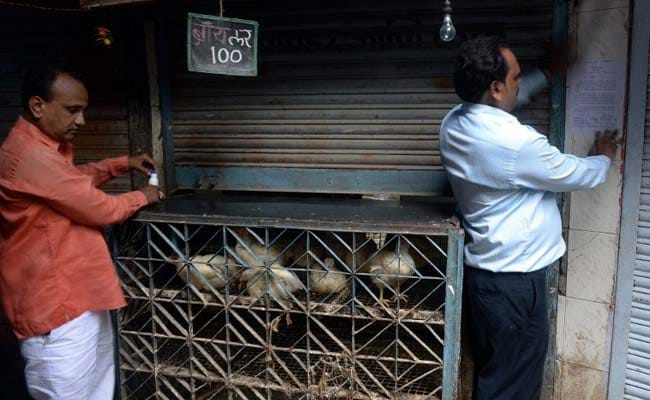
The red meat on the dinner plates of Keralites may have come from an illegal slaughterhouse, from an animal that was never examined by a veterinarian, processed on a filthy floor, and sold through an unauthorised meat stall.
These are the disturbing failures exposed by the Comptroller and Auditor General of India (CAG) in its audit of Kerala's slaughterhouses and meat trade.
The findings raise serious questions about food safety, public health and the failure of government agencies entrusted with protecting consumers.
In its report on Local Self-Government Institutions for the period ended March 2024, the CAG has documented extensive failures in the regulation of slaughterhouses, meat stalls, veterinary inspections and pollution control.
The CAG audited 24 grama panchayats under 8 block panchayats and 6 municipalities, all in just two districts, Alappuzha and Idukki, for 2021-22 to 2023-24.
The findings are particularly disturbing because the agencies responsible for enforcing the rules were either failing to inspect facilities or, in one case, renewing pollution control consent despite serious deficiencies.
No slaughterhouse Holds All Mandatory Licences
According to the CAG, not a single slaughterhouse in Kerala possesses all the mandatory licences.
Of the state's 941 grama panchayats, 921 have no slaughterhouses with basic facilities. Among 93 urban local bodies, 78 lack such facilities.
This is despite directions issued by the Kerala High Court and a government order dating back to 2009.
10.69 Lakh Animals, No Veterinary Doctors At Border Check posts
Between 2021 and 2024, approximately 10.69 lakh animals were brought into Kerala from other states for slaughter.
The state has 19 border check posts. But there were only two sanctioned veterinary doctor posts across these check posts, and both remained vacant as of September 2025.
Not one check post had a quarantine facility.
Instead, officials relied on health certificates issued in the states from which the animals were transported.
The CAG warned that these deficiencies created the possibility of meat unfit for human consumption entering the food supply.
Veterinary Doctors Present, But Animals Not Examined
The failure did not end at the border.
At Chakkupallom in Idukki, a veterinary doctor was available, but the mandatory examinations before and after slaughter were not conducted. The prescribed records were also missing.
At Kattappana, the CAG found that the veterinary doctor had similarly failed to carry out the required inspections.
At Ayyappankovil, animals were slaughtered three to five days after receiving veterinary certification, even though the certificate was valid for only 24 hours.
These examinations are intended to prevent diseased or otherwise unfit animals from entering the food chain.
Blood On The Floor, Animal Remains Piled Up, Yet Pollution Consent Renewed
At Kattappana Municipality, a slaughterhouse constructed for Rs 2.40 crore had deteriorated into a facility with broken machinery, damaged floors and walls, accumulated animal remains and pooled blood.
Animals were being slaughtered on the floor after machinery worth Rs 1.79 crore became unusable in the absence of a maintenance contract.
The CAG inspected the facility in May 2024.
Yet, just a month later, in June 2024, the Kerala State Pollution Control Board renewed its consent until 2028.
The audit specifically faulted the board for overlooking the deficiencies.
The slaughterhouse was eventually closed for repairs in October 2024 following the audit observations.
But the story did not end there.
According to the CAG, Kattappana subsequently began sourcing meat from Chakkupallom, another slaughterhouse operating without mandatory licences and pollution control consent.
The Alappuzha Mystery
In Alappuzha, the municipality issued licences to 31 meat vendors who declared that they were sourcing 2,000 to 2,500 kilograms of meat every day from a slaughterhouse at Elanthoor, approximately 60 kilometres away.
But when CAG auditors examined that slaughterhouse, they discovered that approximately one animal was being slaughtered there daily.
The discrepancy raises a fundamental question: Where was the meat actually coming from?
The audit findings call into question whether the municipality adequately verified the supply declarations before issuing licences. The actual sources of the meat remain unestablished by the information cited in the audit.
Slaughterhouse Contractor Running An Illegal Unit At Home
At Chakkupallom, the CAG found that the contractor operating the slaughterhouse was also slaughtering animals in a shed beneath his residence.He was selling meat through an unauthorised stall at the same location. At the official slaughterhouse, meanwhile, blood and wastewater were being discharged into an underground pit. The same practice was found at Ayyappankovil.Neither facility had the necessary effluent treatment or blood-processing infrastructure, creating a risk of groundwater contamination.
Two grama panchayats in Alappuzha Ambalapuzha North and Ambalapuzha South reported having no slaughterhouses or meat shops.
Yet Animal Husbandry Department records showed that 1,350 animals were slaughtered in Ambalapuzha North and 879 in Ambalapuzha South during 2023-24. That is a combined 2,229 animals in areas where the local bodies reported no slaughtering facilities or meat shops.
The discrepancy raises questions about where these animals were slaughtered and how the activity was monitored.
9 In 10 Meat Stalls Unauthorised
Of the 68 meat stalls examined in the sampled grama panchayats, 61 were operating without authorisation.
In the sampled Alappuzha panchayats, not a single meat stall was authorised.
In the six municipalities audited, 24 of 59 meat stalls were unauthorised.
None of the butchers at the sampled stalls possessed the required butcher's licence or health card.
Three panchayats were not even aware of seven unauthorised meat stalls until the auditors identified them.
The CAG also found that none of the sampled local bodies had a separate slaughterhouse for pigs. Around 3,000 pigs were slaughtered in the sampled panchayats in one year without the required veterinary oversight.
Food Safety Inspections Almost Non-Existent
Across three years, food safety officers conducted just one inspection in Idukki and 21 in Alappuzha, despite the presence of three slaughterhouses and more than 120 meat stalls in the audit sample.
In Thodupuzha, where 14 unauthorised meat stalls were identified, none had been inspected.
The Food Safety Commissioner attributed the poor inspection record to staff shortages, an explanation the CAG did not accept.
The Pollution Control Board also failed to carry out the prescribed six-monthly inspections and did not initiate enforcement action against the audited slaughterhouses.
Crores Spent, Facilities Left Abandoned
The audit also documented the failure of publicly funded slaughterhouse projects. At Chakkupallom, machinery installed as part of a Rs 96.74 lakh project had corroded from disuse.
At Upputhara, a slaughterhouse constructed for Rs 32.5 lakh had become a waste collection facility, while Rs 60 lakh in Suchitwa Mission funds was returned unspent.Alappuzha Municipality's slaughterhouse was being used as a waste collection centre, with machinery left rusting.
At Mavelikkara, a former slaughterhouse building now accommodated a day-care centre for senior citizens and an Anganwadi.
The CAG has recommended that accountability be fixed on officers who failed to enforce penal provisions against unauthorised slaughterhouses and meat stalls.
KioskNews shows a cleaned-up reading view extracted from the publisher’s page — the original always lives on their site, not ours.