Families of 9 out of 10 helpers killed in Tai Po blaze still awaiting compensation
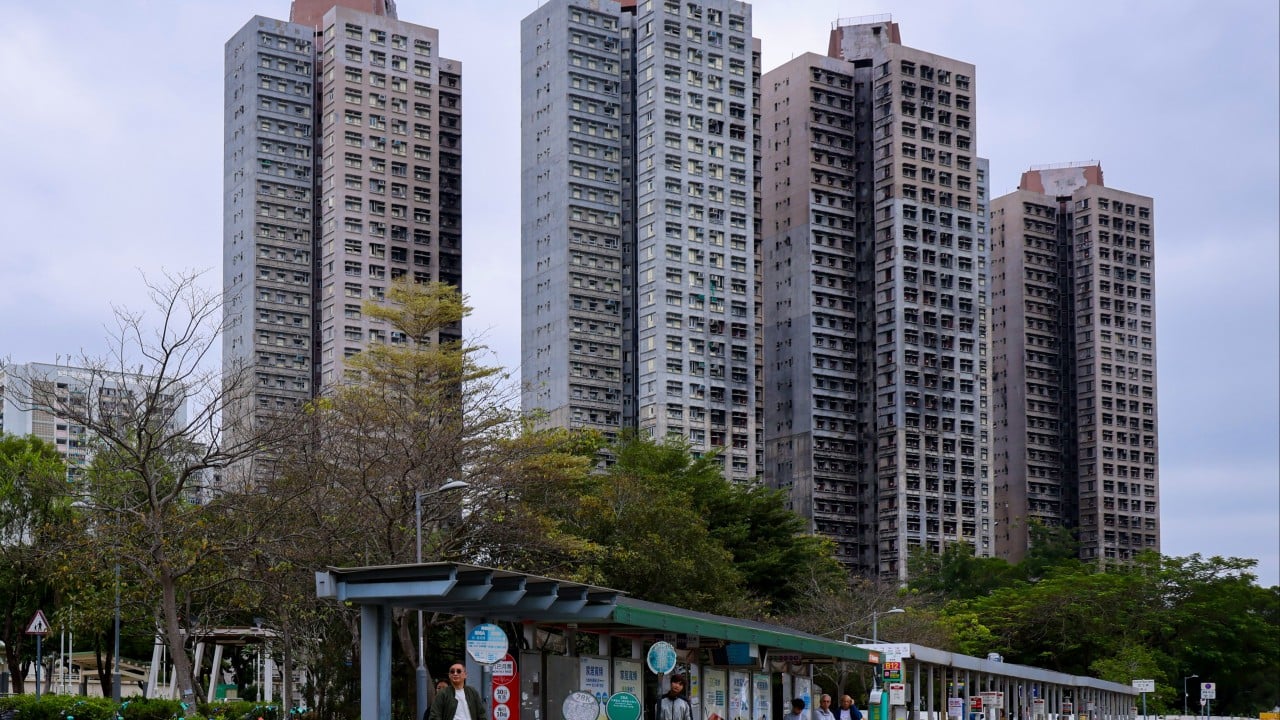
Relatives of nine out of the 10 foreign domestic helpers who died at their Hong Kong employers’ homes in Wang Fuk Court have yet to receive statutory death compensation from insurers a year after the deadly blaze.
Under Hong Kong’s Employees’ Compensation Ordinance, family members of each of the deceased workers – nine from Indonesia and one from the Philippines – are entitled to compensation of at least HK$514,510 (US$65,610) for a work-related fatality.
A year on from Hong Kong’s deadliest fire in decades, the Indonesian consulate confirmed to the South China Morning Post on Tuesday that only one claim was “successfully processed and disbursed” directly to a deceased worker’s family.
The consulate said seven other claims were in the process of apostille issuance, where a government certificate is attached to a public document to verify its authenticity for legal use in other jurisdictions.
The sister of Maryan Pascual Esteban, a 39-year-old Filipino domestic helper who died in the Tai Po fire, said their family had yet to receive any compensation from the insurer of Esteban’s employer.
The sister, who asked not to be named, recalled that Esteban had left home and worked overseas for nearly 20 years. She spent her last five years at Wang Fuk Court and had looked after her employer’s daughter – a little girl who also died in the fire – since the child was born.
The sister said the Philippine government had set up an education fund for Esteban’s 11-year-old son, which helped the family get by, but losing the breadwinner left their long-term financial future uncertain, to say nothing of their present grief.
“I miss our phone conversations about everyday matters,” the sister said, adding that she often found herself in tears when she thought about Esteban.

The Philippine consulate in Hong Kong confirmed that its Migrant Workers Office was still assisting Esteban’s family “in pursuing compensation and insurance claims” as of Tuesday. It declined to comment on how the claims could be expedited.
Shortly after the blaze, Hong Kong’s labour minister said the families of the deceased foreign domestic workers were entitled to statutory compensation of more than HK$500,000 from insurers, HK$200,000 in one-off financial aid and a HK$50,000 funeral grant from the government.
The Association for the Rights of Industrial Accident Victims, which has been assisting the bereaved families, told the SCMP that to its understanding only one Indonesian family had received compensation so far.
Many relatives had submitted documents to the agencies but had not received updates on the status of their claims from either the authorities or their consulates, according to the association.
Under Hong Kong law, employers are required to maintain valid employees’ compensation insurance covering work-related deaths. According to the Labour Department, an employer should submit a claim to the Commissioner for Labour within six months after the death of an employee.
After the commissioner issues a certificate for the amount payable to the deceased’s family, the family should submit the document to the insurer, which should then pay out the certified sum.
But proving eligibility across borders requires multiple steps.
Families must prove their relationship with the deceased to the Labour Department. Because this documentary proof is issued by foreign authorities, the holders must bring the papers to the apostille service for certification.
The documents will then be passed through agencies including foreign affairs authorities, the consulate and Hong Kong labour authorities, which then issue certificates to the insurance companies.
In response to the SCMP’s inquiries, the Labour Department said it had issued assessment certificates for compensation in two of the 10 cases. The documents determined the compensation amount – HK$1.03 million for the two families and eligible family members – and distribution arrangements.
As for the remaining eight cases, the department said it would “continue to follow up closely with the relevant consulates in Hong Kong”.
“Upon receiving the required documents and information, [the department] will complete the vetting process as soon as possible to help the overseas families obtain compensation promptly,” it added.
The Indonesian consulate in Hong Kong said it had helped the nine families by providing, verifying and notarising the required official documents, adding that two out of nine compensation claims had been submitted to Hong Kong authorities.
The consulate also confirmed that while the first claim had been processed and the money paid to a relative of the deceased, the second still required supplementary documentation.
“The seven other compensation claims are in the process of apostille issuance. We expect these documents to be ready for submission in the coming days,” it said.
KioskNews shows a cleaned-up reading view extracted from the publisher’s page — the original always lives on their site, not ours.