Royal Navy officer found guilty of abandoning night watch duty and leaving trainee with £143m ship’s safety
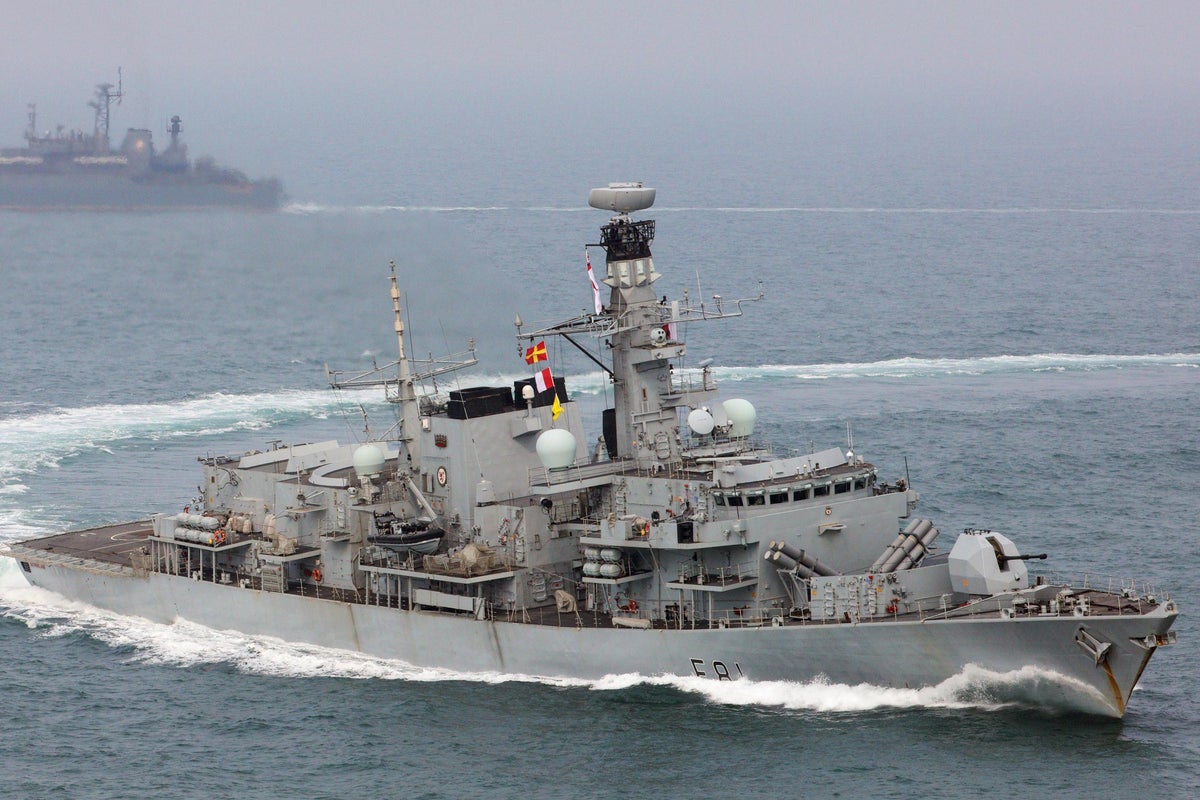
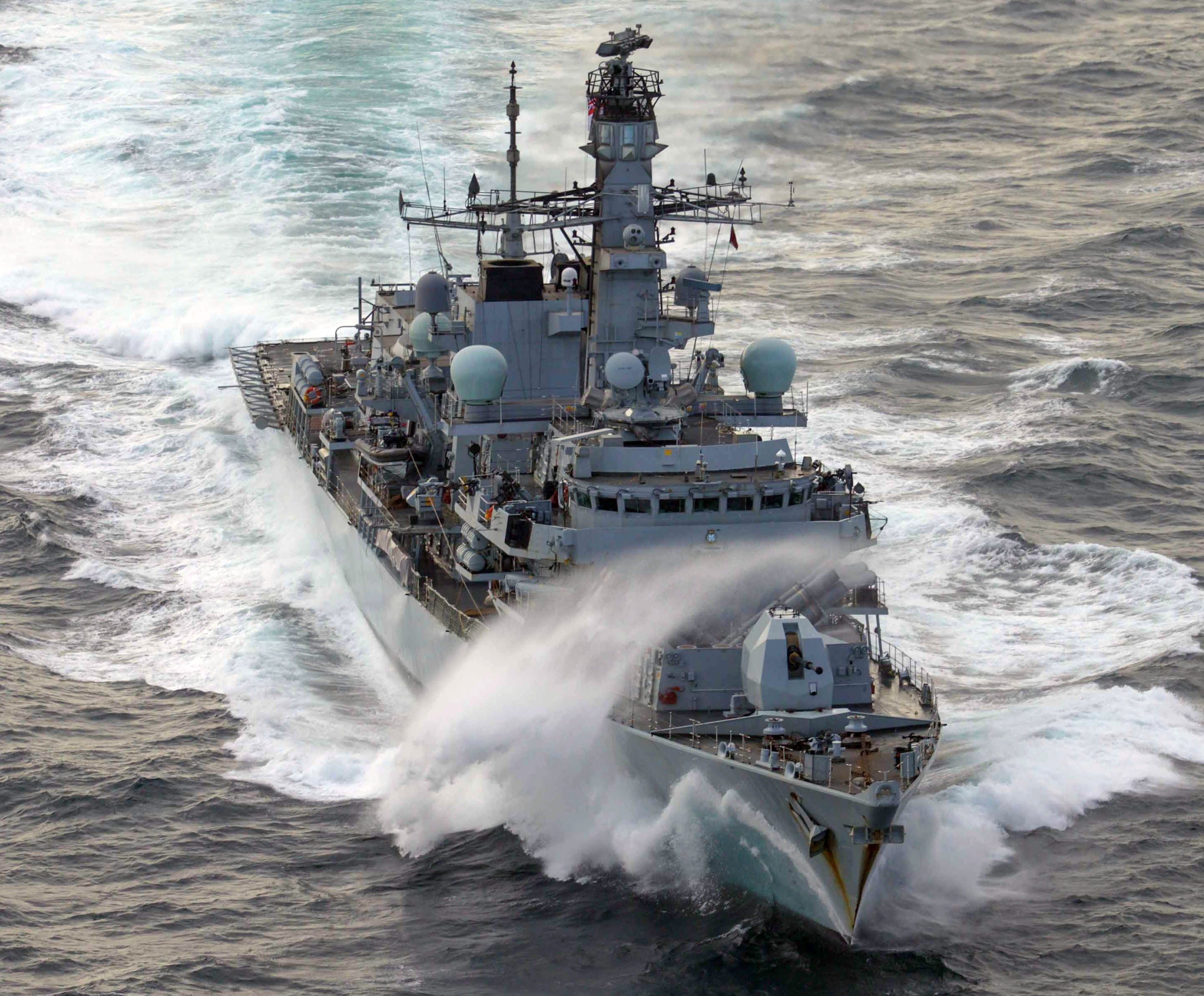
A Royal Navy officer has been found guilty of abandoning a £143 million Type 23 frigate and leaving only a trainee officer to ensure the ship’s safety.
Lieutenant Samuel Hanney, an officer of the watch, “negligently” left Lieutenant Thomas McNally as the sole person keeping watch of the 436ft-long frigate.
Lt McNally “froze” after realising that “no one was looking out the window” of the Type 23 frigate.
Lt Hanney was seen using a computer during his morning duties for “too long” rather than keeping a lookout for other ships or hazards.
He stayed behind a curtain obscuring the computer light to produce meteorological charts, rather than ensuring the safety of the ship.
However, Lt McNally said that his shipmate was gone for around an hour.
Lt Hanney was found guilty at Bulford Military Court, Wilts, of negligent performance of a duty for the incident on April 3, 2025.
Prosecutor Lieutenant Commander Luis Canosa said: "This is a case about negligence. It is about negligence of an officer of the watch whilst he was on watch on the bridge of HMS Sutherland whilst it was at sea."
He added: "The crown says that he failed to maintain a proper lookout, he failed to maintain supervision of the second officer of the watch and he failed to oversee the rest of the bridge team effectively.
"The Crown says he was negligent in these three ways."
LCdr Canosa said that Lt Hanney was a fully qualified officer of the watch and he was able to operate unsupervised onboard HMS Sutherland.
He said that the ship was travelling from Plymouth, Devon, to Lyme Bay, Dorset, off the south coast of England and Lt Hanney was the officer of the watch at the time.
The court heard that during the early hours of the morning watch, Lt Hanney left his position on watch and vanished behind a curtain to complete a task on the computer.
He said that Lt Hanney had admitted in his service police interview that it had been for a period of 14 minutes but LCdr Canosa said that data collected from the computer said it could have been 21 minutes.
LCdr Canosa said that the computer was logged into the operational network between 04:09am and 04:30am.
LCdr Canosa said: "Whether Lt Hanney was behind the curtain for 14 minutes at his own admission or the 21 minutes that the log-ins say, the Crown says it was too long."
Lieutenant Thomas McNally, who was second officer of the watch that morning, reported Lt Hanney after he was left on his own to complete the watch.
He said that as the second officer, he was still in training, with only 100 hours completed of the 600 hours he would need to qualify and he was shadowing Lt Hanney in his duties.
Lt McNally said that he thought that Lt Hanney had disappeared behind the curtain for over an hour because he completed two geographical locations 30 minutes apart before he came back out.
He said that he realised “no one was looking out the window” and thought that this was “dangerous”.
When he was asked why he didn't say anything to Lt Hanney, he said: "I was very nervous. I was very scared. I looked out the window and realised I was on my own and I just froze.
"Looking back now I should have had more confidence and said 'I need you to come to the lookout."
Lt McNally said that he reported the issue to another member of the crew and this was then escalated to the captain.
Commander Thomas Boeckx, a fleet navigating officer, said that officers should only be away from the bridge where the windows are located for two to three minutes at a time.
He said that at a very maximum this should be five minutes.
In a statement to the service police, read out by LCdr Canosa, Cdr Boeckx said: "In relation to being behind the curtain for 14 minutes, you said, if done unintentionally, I would deem this as professional incompetence and the individual should be removed from the role and undergo more training.
"If done deliberately, I would deem this negligence."
Cdr Boeckx said that the officer of the watch would use tools to help, such as radar, and complete other tasks behind the curtain so that the light pollution did not obscure the view of the other crew on watch.
KioskNews shows a cleaned-up reading view extracted from the publisher’s page — the original always lives on their site, not ours.