Even morning coffee might mess with your sleep
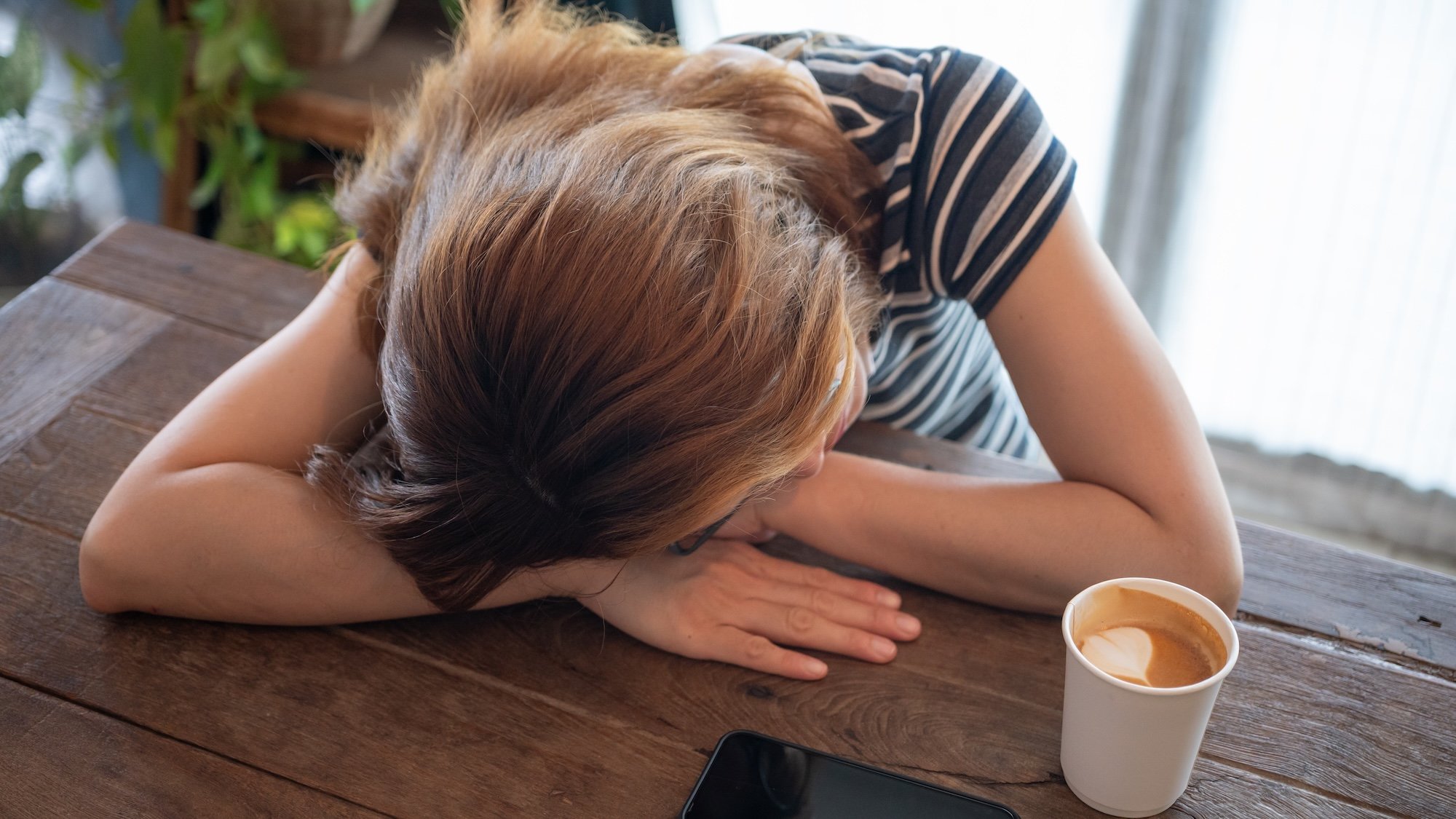
Coffee drinkers often fall into two groups—those who refuse another cup past a certain time of day, and those who are happy to grab a refill well into the night. The people who practice restraint frequently cite mounting evidence of caffeine’s effects on your sleep cycle, while freewheeling coffee chuggers say they have no problem going to bed after their post-dinner espresso. Unfortunately, a recent study is likely to annoy people on both sides of the argument. According to medical researchers at Poland’s Wroclaw University, coffee’s caffeine content may disrupt a person’s nightly sleep quality no matter when they brew a pot.
The findings are detailed in a recent study published in the journal Nutrients. For their analysis, researchers relied on electroencephalography (EEG) scans collected during a clinical sleep experiment. Standard sleep assessments typically focus on sleep cycle duration, but EEG is designed to record much more detailed information about quality of rest.
“EEG allows us to see not only whether a person is sleeping, but also how the brain is sleeping,” study co-author and Wroclaw University family medicine specialist Donata Kurpas recently told Science News. “Quantitative EEG analysis reveals more subtle changes, such as reduced slow-wave activity, which is an important marker of sleep depth and its restorative character.”
Kurpas and her colleagues learned during their examinations that even if someone falls asleep at a normal time and remains asleep for the full recommended eight hours, caffeine can still dramatically cut down on their brain’s slow-wave activity. This means that even if a person assumes they got a full night’s sleep, the actual quality may be compromised.
“Caffeine may shorten sleep or make it more difficult to fall asleep; however, even when sleep duration appears normal, it may reduce slow-wave activity and shift the EEG pattern toward a more ‘wakeful’ brain,” explained Kurpas.
What’s more, a coffee drinker may not even consciously register these disruptions. Even if they feel rested and don’t recall waking up during the night, their brain still may not have gotten the deep sleep it needed. Kurpas said this compounding issue often creates a “vicious cycle” by initiating a feedback loop—a person wakes up feeling fine, grows fatigued over the course of the day, turns to coffee, and gets another night of fitful sleeping. But even if someone stops drinking coffee by late morning, variables like body type, stress, age, and total caffeine intake can influence whether or not they get the right type of sleep later that evening.
“It is not only about coffee consumed just before bedtime. For some people, the total amount of caffeine consumed during the day and whether the body has enough time to metabolize it before nightfall may also be important,” Kurpas added.
In recent years, many researchers like Kurpas have started emphasizing the importance of restorative sleep versus its overall duration. Eight hours in bed may not amount to much if the brain isn’t allowed to properly recharge, and any amount of caffeine could affect these circumstances. This means that at the end of the (literal) day, coffee’s influence on sleep is complex and frequently varies by person. What works for one drinker may not necessarily work for another—but it’s just as important to reflect on daily habits and energy levels, no matter how someone perceives they slept.
“The subjective feeling of having slept well does not always correspond to what we observe in neurophysiological recordings,” said Kurpas.
KioskNews shows a cleaned-up reading view extracted from the publisher’s page — the original always lives on their site, not ours.