India, Nepal agree on comprehensive joint vision document to strengthen partnership
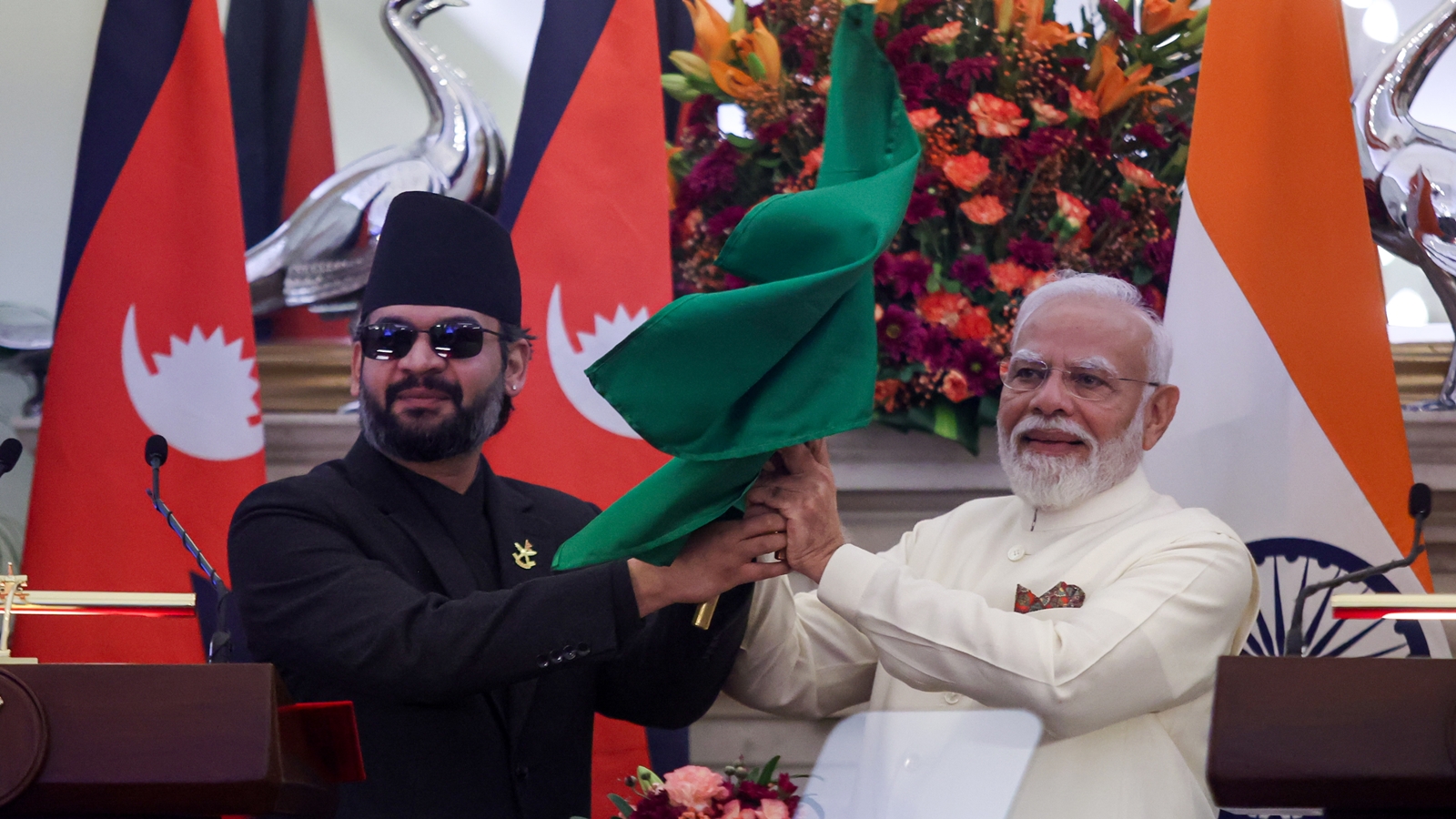
Visiting Nepal Prime Minister Balendra Shah and Prime Minister Narendra Modi on Monday agreed on a joint vision document that envisages ‘reimagining the partnership’ spanning, among others, the economic, developmental, sports, health, technology, and agriculture sectors.
According to the vision document — ‘Viksit Bharat and Samunnat Nepal: Re-imagining the Partnership’ — the two leaders agreed that the bilateral partnership should reflect contemporary realities and should be based on an updated legal framework, where existing bilateral agreements could be reviewed with mutual consent.
“All outstanding matters, including those related to water resources, energy, trade & commerce and boundary, are to be resolved through mutual discussion and dialogue,” it said.
This development is significant since the Nepal PM, who took office in March this year, had initially planned to forego any foreign visit for a year and refused meetings with officials from other countires. Sources told The Indian Express that this required constant back-channel discussions with the Nepal PMO, and across ministries and officials in the Nepal government.
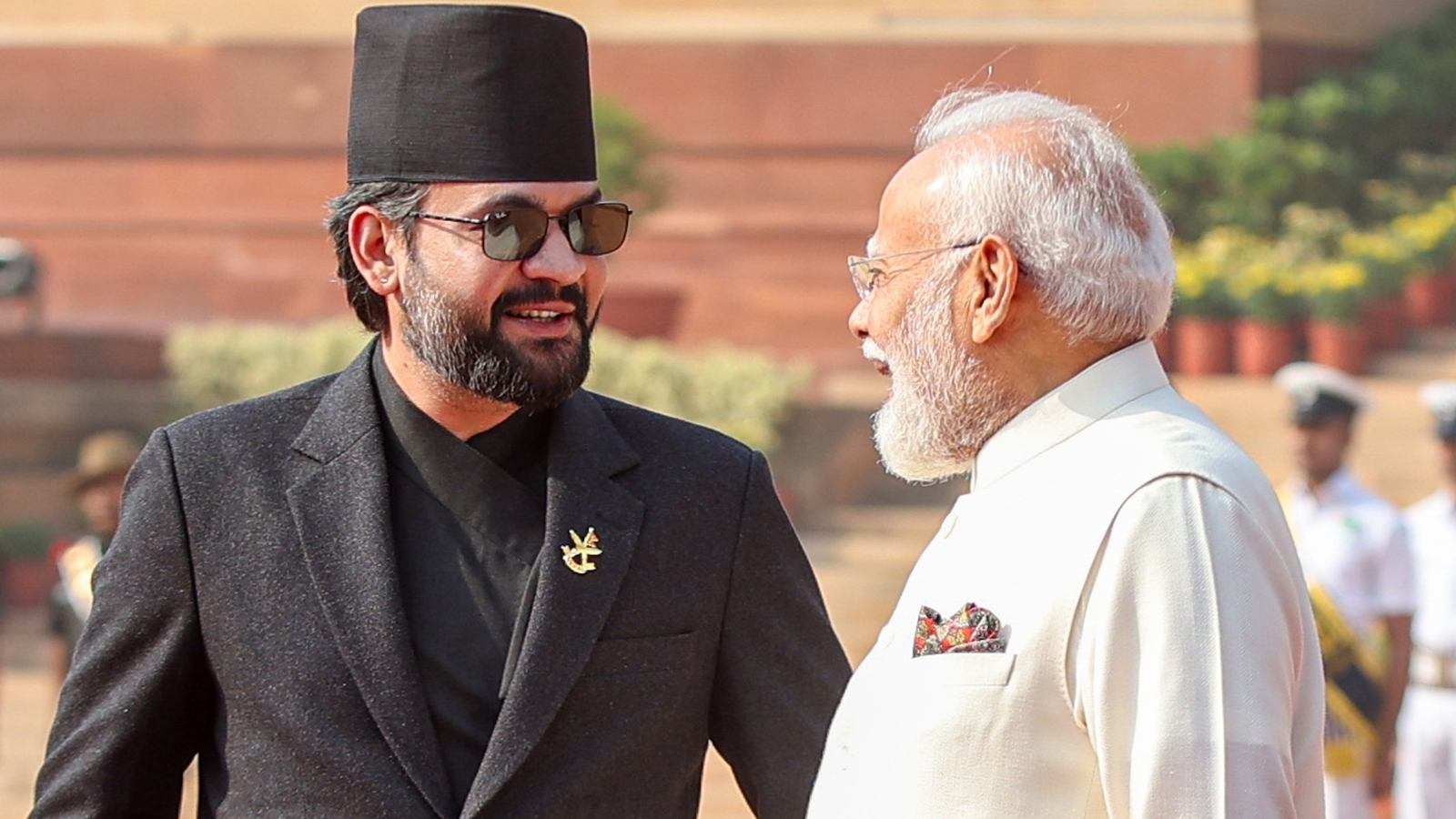 PM Narendra Modi with Nepal PM Balendra Shah at the Rashtrapati Bhavan on Monday. (Express photo by Praveen Khanna)
“Nepal conveyed its appreciation for India’s prompt humanitarian and search-and-rescue assistance following the floods and debris flows in the Rasuwa-Trishuli basin and elsewhere in August 2026. The leaders agreed to remain engaged on the further support to be provided for Nepal’s reconstruction efforts,” it said.
The joint vision document lists ‘10 pillars’ to strengthen the bilateral relations. For a comprehensive economic and development partnership, it envisages reviewing the enabling agreements, including opening new transit connectivity and air routes. It mentions cooperation for the establishment of cross-border special economic zones for export-oriented manufacturing near the India-Nepal border, along with and IT parks.
For implementation, the two Prime Ministers decided to activate the High-Level Monitoring Group, led by the Foreign Secretary of Nepal and the Ambassador of India. This Monitoring Group will meet at least once in six months.
Story continues below this ad
“The Prime Ministers expressed confidence that this Joint Vision Document provides the blueprint for an aspirational, modern and mutually-beneficial partnership between two friendly countries, and directed officials from both India and Nepal to work towards the realisation of this shared vision,” it said.
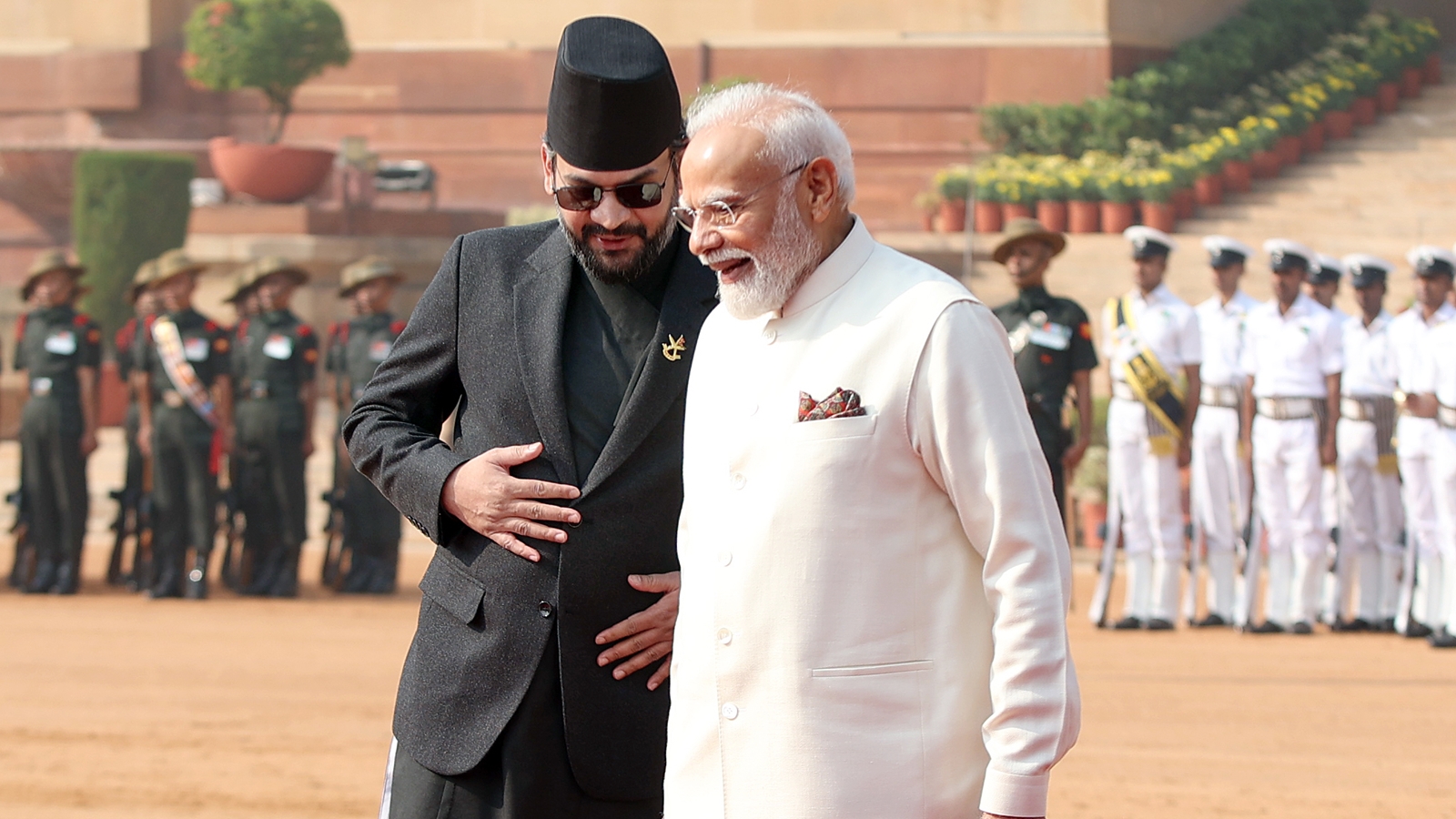 PM Narendra Modi with Nepal PM Balendra Shah at the Rashtrapati Bhavan on Monday. (Express photo by Praveen Khanna)
10 pillars of the Joint Vision Document
Comprehensive Economic and Development Partnership
- Reviewing the enabling frameworks/agreements for trade and investment between both countries to facilitate a more comprehensive economic partnership
- To open new transit connectivity and air routes to strengthen connectivity
- Cooperation in establishing cross-border special economic zones/parks and IT parks
Physical and Digital Connectivity
- Expedite the ongoing construction of the ICPs at Bhairahawa (Nepal) and Sunauli (India), and new ICPs at Banbasa (India)and Dodhara Chandani (Nepal)
- Expeditiously complete work on final sections of the Jayanagar-Bardibas and Jogbani-Biratnagar rail lines. Collaboration for the East-West Rail Link in Nepal
- Construction of a new pipeline connecting Siliguri (India) and Jhapa (Nepal)
- Building on the linkage of India’s UPI with Nepal’s national payment system to expedite cross-border retail payments
Energy, Water Resources and Climate Resilience
Story continues below this ad
- Accelerate work on the implementation of on-going and envisaged hydropower and multipurpose projects
- Proactive partnership on disaster risk reduction, early warning and post-disaster recovery to protect lives, livelihoods and infrastructure
Good Governance
- Training of Nepali civil servants in India will be arranged; both sides will share experiences and best practices among legislatures at national and provincial levels.
Technology, Space and Innovation
- Expansion of the Indian-Nepal Startup Partnership Network, including through training and mentorship of Nepali startups in India, and setting up a Startup Centre of Excellence in Kathmandu and a Digital Nomads and Innovation Hub in Pokhara
- Development of Digital Parks and data centres in Nepal
- Enhancing bilateral cooperation in AI
- Strengthening cooperation in the domain of space for satellite development, earth observation, remote sensing for disaster management, and capacity building
Education and Skill Development
- Opening of branches/campuses of reputed Indian higher educational institutions in Nepal will be explored, beginning with an IIT
- Scholarships and training opportunities in newer disciplines such as law, technology, and AI will be added for Nepali students.
Sports
Story continues below this ad
- India will support the establishment of a national cricket academy in Nepal apart from supporting the development of cricket infrastructure. Players from provincial cricket teams of Nepal will be provided the opportunity to train in India at national training academies
- Similar opportunities in other sports such as badminton, tennis, shooting, and athletics will also be explored, including for development of modern multi-sports centers in Nepal
Culture and Tourism
- To develop religious tourism circuits, including of Ramayana, Buddhist and Shiv-Shakti circuits by linking Janakpur-Ayodhya, Lumbini-Bodhgaya-Sarnath-Kushinagar and Kathmandu (Pashupatinath)-Varanasi
- Collaboration between Nalanda University and Lumbini Buddhist University will be strengthened through the establishment of a Nalanda Centre at LBU
Health
- Collaboration for upgrading the National Medical Laboratory of Nepal
- Establish India-Nepal Jan Aushadhi Kendras to improve access to affordable quality medicines
- Foster linkages between premier medical institutions of both countries and encourage student and faculty exchanges
Agriculture
- Establish an Agro-Industrial Park in Chitwan with India’s grant assistance to provide value addition to Nepali agricultural products.
- Expedite implementation of the Work Plan for 2026-30 between Indian Council of Agricultural Research (ICAR) and Nepal Agricultural Research Council (NARC).
- Establish an ICAR Centre of Excellence in Nepal
KioskNews shows a cleaned-up reading view extracted from the publisher’s page — the original always lives on their site, not ours.