In Malaysia, viral air purifier test fans flames of anger over haze
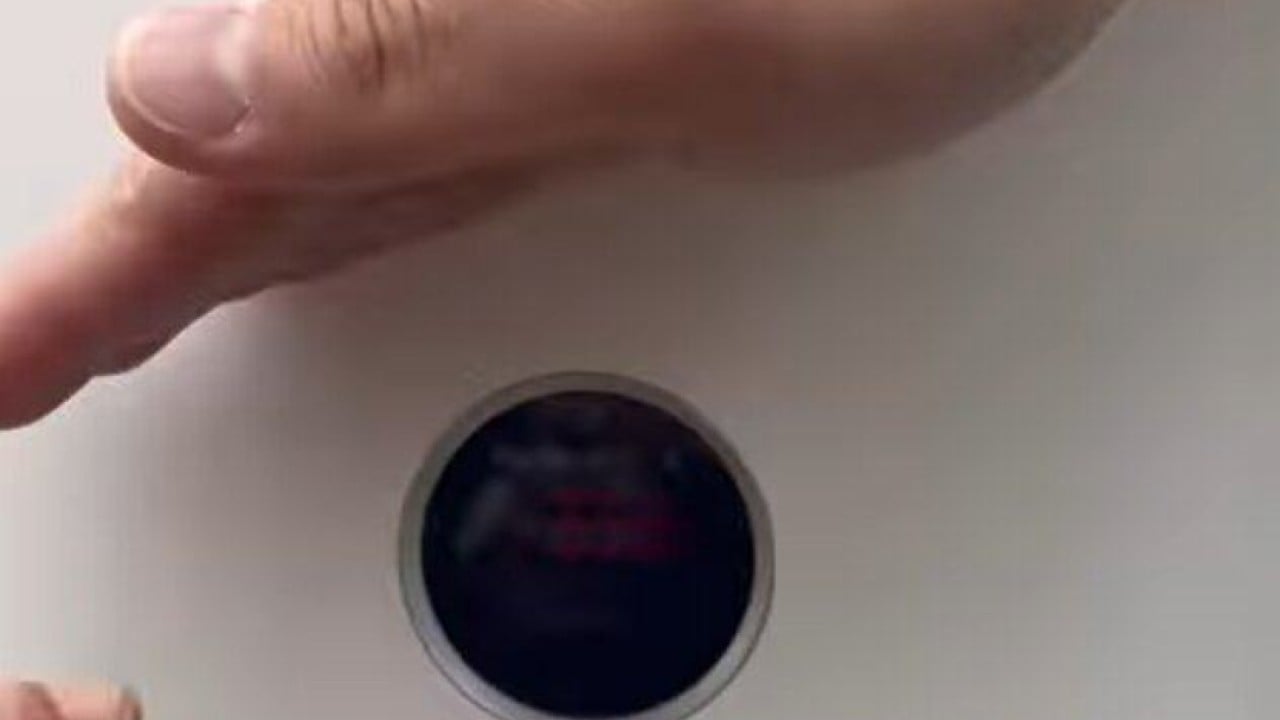
As haze from forest fires in Indonesia continues to shroud Southeast Asia, Malaysians have taken to social media to air their grievances, with a video of an elevated outdoor reading from an air purifier among viral content marking public frustration.
The clip, posted by user syahierarafie, shows a device detecting an Air Pollutant Index (API) of up to 318 in Gelang Patah, a suburban town in western Johor Bahru which borders Singapore. The video has drawn over 990,000 views as of Tuesday.
“Today, my office staff did an IPU experiment outside. IPU 300++ wow. It is very unhealthy,” the post read, referring to API by its Malay name, Indeks Pencemar Udara.
Many online users chimed in, with some posting pictures of their own air purifiers registering similar readings of high API levels. Some complained that Malaysia’s official website for API reported a lower reading than what people were experiencing.
The API classifies a reading above 300 as “hazardous”, the highest level of the five-level scale. Readings of 201-300 are “very unhealthy”, 101-200 “unhealthy”, 51-100 “moderate” and 0-50 “good”, according to the Malaysia Environmental Quality Management System.
On Wednesday, when the viral video was posted, the API registered in Gelang Patah was 121, putting the air quality in the “unhealthy” category, according to Accuweather.
Air purifiers typically measure air quality using a built-in laser sensor to detect the scattering of light by small particles passing through, such as PM2.5 and PM10. The numbers refer to the diameter of the particulate matter, measured in micrometres.
Based on an image reverse search, the purifier used in the video appears to be a Xiaomi Smart Air Purifier model.
Xiaomi says its air purifiers are equipped with laser sensors to detect particles in real time. In comparison, API is calculated from six major pollutants: PM2.5, PM10, sulphur dioxide, nitrogen dioxide, carbon monoxide and ozone, according to the Malaysian Medical Gazette.
The official system does not measure pollutants in real time. Instead, each pollutant is measured based on an average period of one to 24 hours.
PM2.5 and PM10 – among the most dominant pollutants during the haze – are measured based on a 24-hour average. That means official readings may be lower than what is shown on air purifiers or different commercial weather platforms.
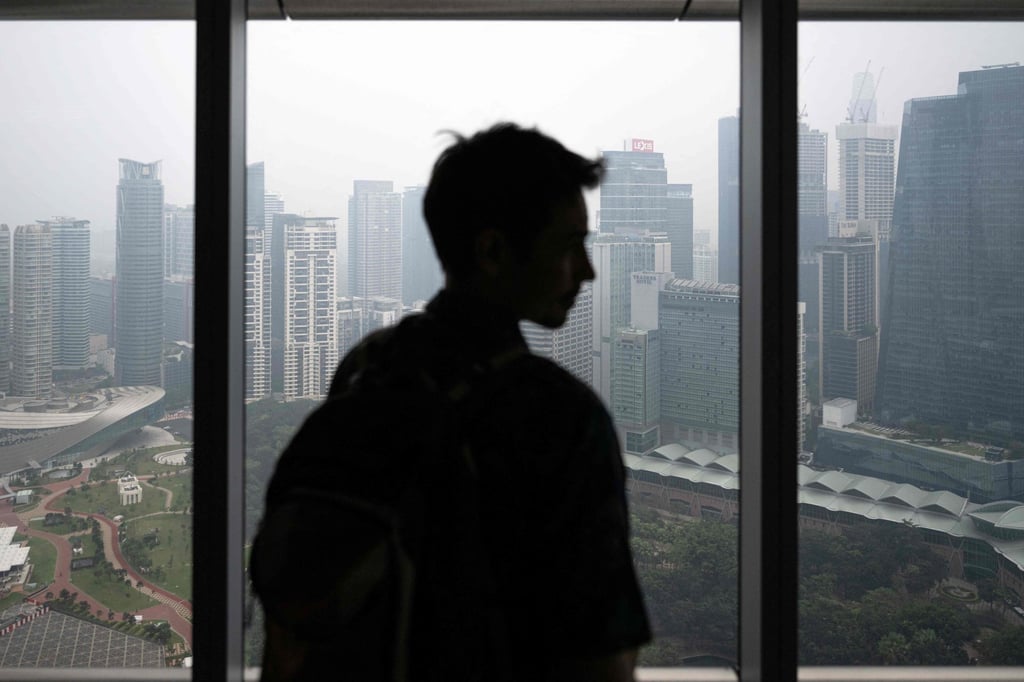
Malaysia and Singapore are experiencing severe haze as Indonesia grapples with its worst fire season in more than a decade. Blazes across Sumatra and Kalimantan have sent thick smoke across the region.
The ongoing haze has spiked demand for air purifiers across Southeast Asia.
Regional electronics retailer Courts told The Straits Times that air purifier sales have increased by 600 per cent from September 28 to October 12 compared to last year. Singapore-based retailer Gain City also reported “a significant increase in air-purifier demand”, according to the newspaper.
Malaysian Prime Minister Anwar Ibrahim defended the government’s handling of the haze on Thursday. “We have done everything we can,” he said, in response to allegations that Putrajaya had not been proactive enough in pushing Indonesia to resolve the issue.
Foreign minister Mohamad Hasan said the same day that Malaysia would not pursue a legal action against Indonesia to “safeguard the close relationship between the two countries”.
KioskNews shows a cleaned-up reading view extracted from the publisher’s page — the original always lives on their site, not ours.