Why Asian parents are trapped in a private tuition arms race
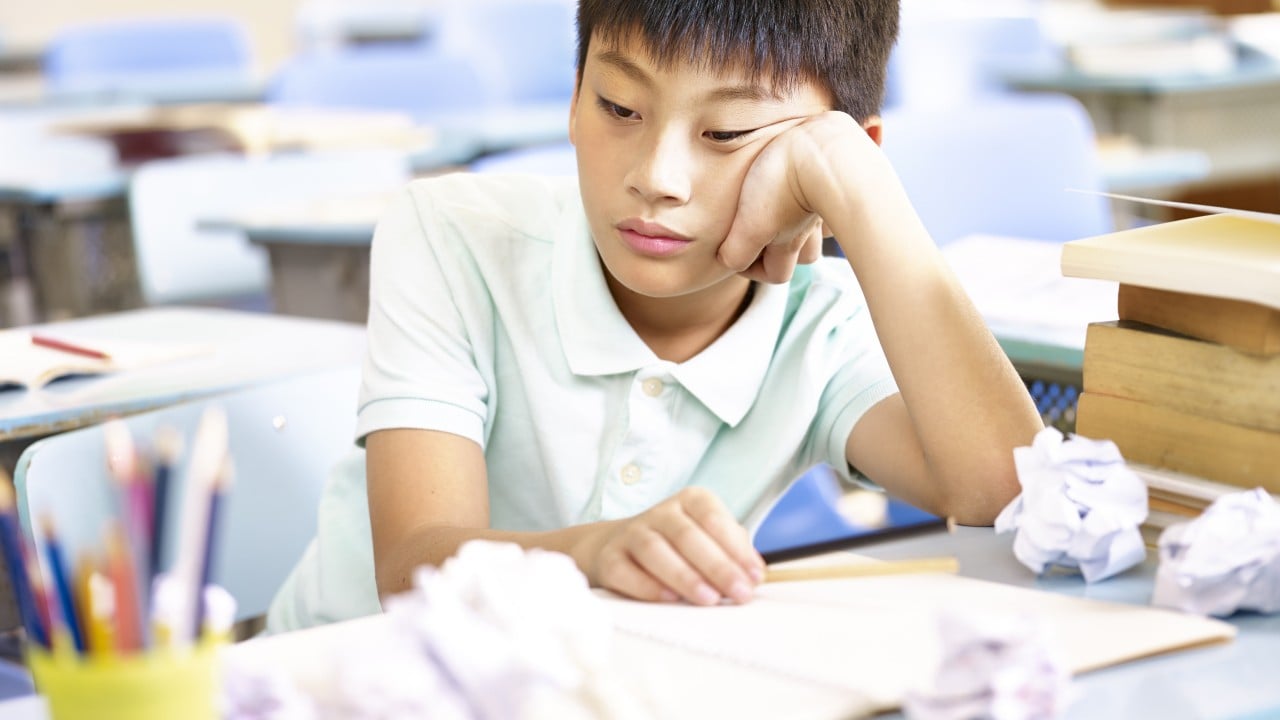
Grace often hears other Singapore mothers debating how much private tuition their children need. Some rush to enrol their offspring in multiple classes before they turn five, while others try to resist the pressure to add lessons outside school.
She enrolled her two children, now aged four and seven, in Chinese tuition when they were three to give them greater exposure to their ancestral tongue.
“Neither of their parents speaks fluent Mandarin at home … I guess there is some degree of pressure involved too,” said Grace, 38, the founder of a creative agency.
Her dilemma reflects a wider tension across Asia, where parents continue to invest in private tuition to give their children an academic edge, despite growing concerns over the stress placed on young learners and the widening gap between families who can afford extra classes and those who cannot.
In Singapore, a recent survey found that parents were spending more on tuition and enrichment classes than ever before, despite widespread concerns that children are already devoting too much time to them.
The survey of 1,500 primary school parents by the Institute of Policy Studies found that nearly nine in 10 agreed children in the city state were spending too much time on private classes, even as overall expenditure on extracurricular activities had increased.
Seven in 10 parents said they would spend more on such classes if they had the resources, while around half admitted feeling pressure because other parents did so.
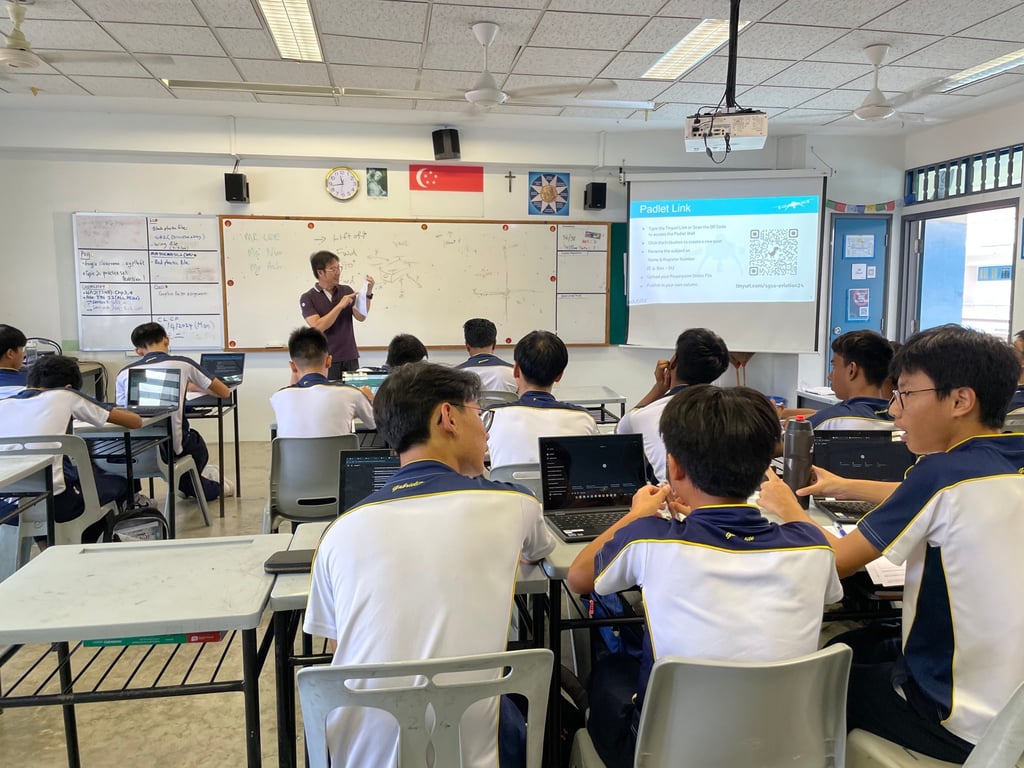
The report, published last month, noted that parents were increasingly seeking both academic success and holistic development for their children, creating tension when one was perceived to come at the expense of the other.
“Concerns about school placement, future pathways, wider social comparisons and their own desire to safeguard their children’s opportunities can make it difficult for parents to act fully on their holistic preferences,” the report stated.
The dilemma is not unique to Singapore. Across Asia, in education systems where families compete for limited opportunities, parents can find themselves paying for tuition even when they believe the collective pressure damages children’s well-being.
Ong Ee Cheng, an associate professor of economics at the National University of Singapore, described the situation as a “thorny” paradox as everyone would be “better off” if no one sent their children to private tuition.
“But if I send my kid to tuition and you don’t, my kid will do better than yours, and vice versa,” she said. “Ironically, when we both send our kids to tuition, we’re worse off than if neither of us had done so.”
The competition has fuelled demand for private education in Singapore, where parents spent an average of S$677 (US$529) a month on tuition this year – an increase from S$318 a decade ago.
House of Hows, a tuition centre offering classes for primary, secondary and junior college students, has more than 1,000 prospective students on its waiting list.
Founder and lead tutor Laura Oh warned against viewing all tuition spending simply as a fear of missing out. While some parents viewed extra classes as a way to secure an advantage, she said many were increasingly prioritising stress management and helping children find enjoyment in learning.
Other than Chinese lessons, Grace has enrolled her children in swimming, netball and art classes to develop their interests outside the classroom.
“It’s important for parents like us to recognise their interests early in life and provide them with as much help as possible early on,” she said.
Educational arms race
Across the region, the private tuition industry continues to expand as parents try to give their children a head start. But observers warn that these advantages extend beyond the classroom, reinforcing socio-economic divides as academic perks translate into better access to further education and, potentially, the job market.
Students whose parents can afford private classes are more likely to do well in entrance examinations, experts say, with those advantages potentially creating inequalities that continue into employment.
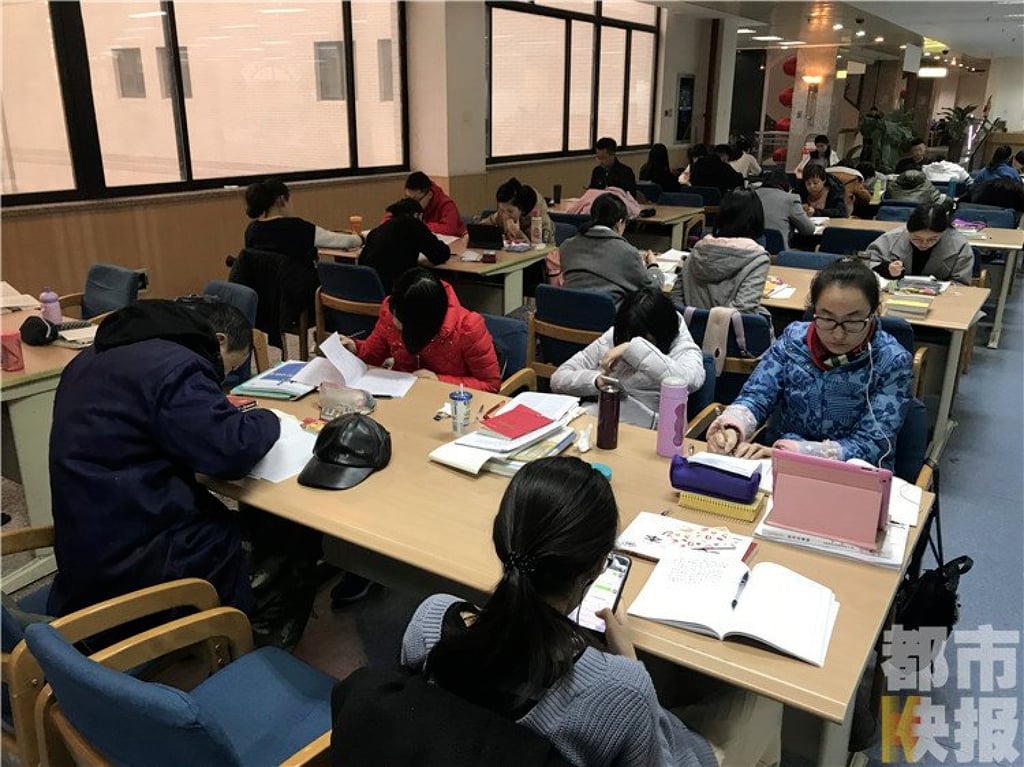
Nathan Peng, an assistant professor of political science at Singapore Management University, said countries that sorted students through high-stakes national examinations at a young age were particularly vulnerable to widening social divides.
“Even if all schools were equally good, the earlier you test a child, the more the results reflect family background rather than schooling, because the child has spent less time in the formal education system,” he said.
“And the more a society believes credentials reflect someone’s ‘true’ potential, the less likely it is to ask how much adversity different candidates overcame to reach the same point.”
The pressure to secure an advantage can begin long before formal schooling starts. Ong said well-off parents in Singapore, China and South Korea often engaged in what she termed an educational arms race well before primary school.
The effects of private tuition on social mobility could be more pronounced in countries with high levels of inequality, she added. “Unfortunately, many countries in Southeast Asia and Asia fit the bill.”
In Malaysia, gaps in the quality of public education could leave children reliant on extra help to keep up, said M Niaz Asadullah, an economics professor at the University of Dhaka.
Learning gaps caused by under-resourced public schools disproportionately affected poorer families, who were less able to pay for private lessons, he said.
“Tuition markets can expand both because schools leave learning gaps and because families compete for limited opportunities,” Asadullah said. “The risk of widening inequality depends on how unequally families can participate in that competition.”
Can policy curb the trend?
The challenge for governments across the region is addressing both sides of the problem: fixing shortfalls in public education while curbing intense competition for scarce educational opportunities.
In South Korea, households spent about 29.2 trillion won (US$21.8 billion) on private education in 2024 – a 60 per cent increase from a decade earlier. In April, authorities announced measures banning private tutoring academies or cram schools, known locally as hagwons, for children under three and capping preschoolers’ time spent in such lessons at three hours a day.
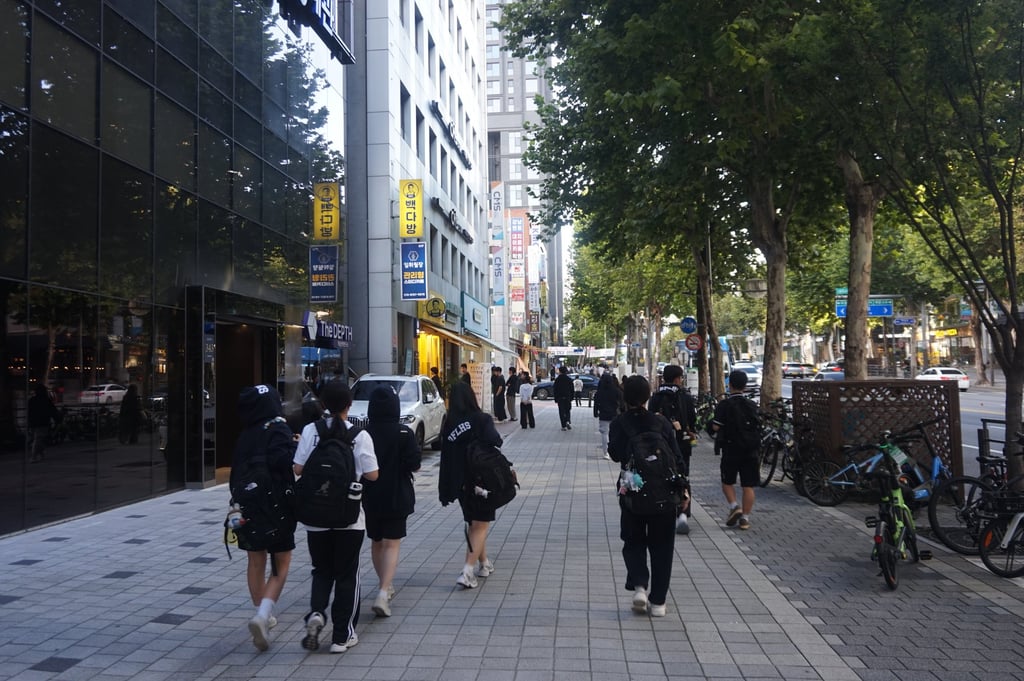
Singapore has also attempted to reduce academic pressures. In 2021, the government replaced aggregate scoring for the Primary School Leaving Examination with wider scoring bands, allowing students to be graded on their individual learning mastery rather than relative to their peers. In 2024, full subject-based banding replaced streaming scores to reduce academic labelling.
Asadullah urged regional governments to provide free, targeted tutoring through state schools, prioritising disadvantaged students, while ensuring classroom instruction was good enough to make private tutoring unnecessary.
Peng said early support was crucial as children often started school from very different academic baselines.
“Governments should help narrow gaps in family resources from pregnancy through early childhood, including nutrition, learning materials and parents’ knowledge of child development,” he said.
Other observers acknowledged that policy fixes alone could not dismantle the culture of tutoring without a wider shift in how families and societies defined success.
“If there were more emphasis on overall well-being – including mental and emotional – and less on material wealth, perspectives may start to shift to ensuring children are happy, resilient and confident,” Ong said.
“But of course, that’s more likely if parents know that even if their children fall, there’s only so far that they can fall.”
KioskNews shows a cleaned-up reading view extracted from the publisher’s page — the original always lives on their site, not ours.