How China’s 2-for-1 diplomatic threat forced Japan’s Takaichi to back down
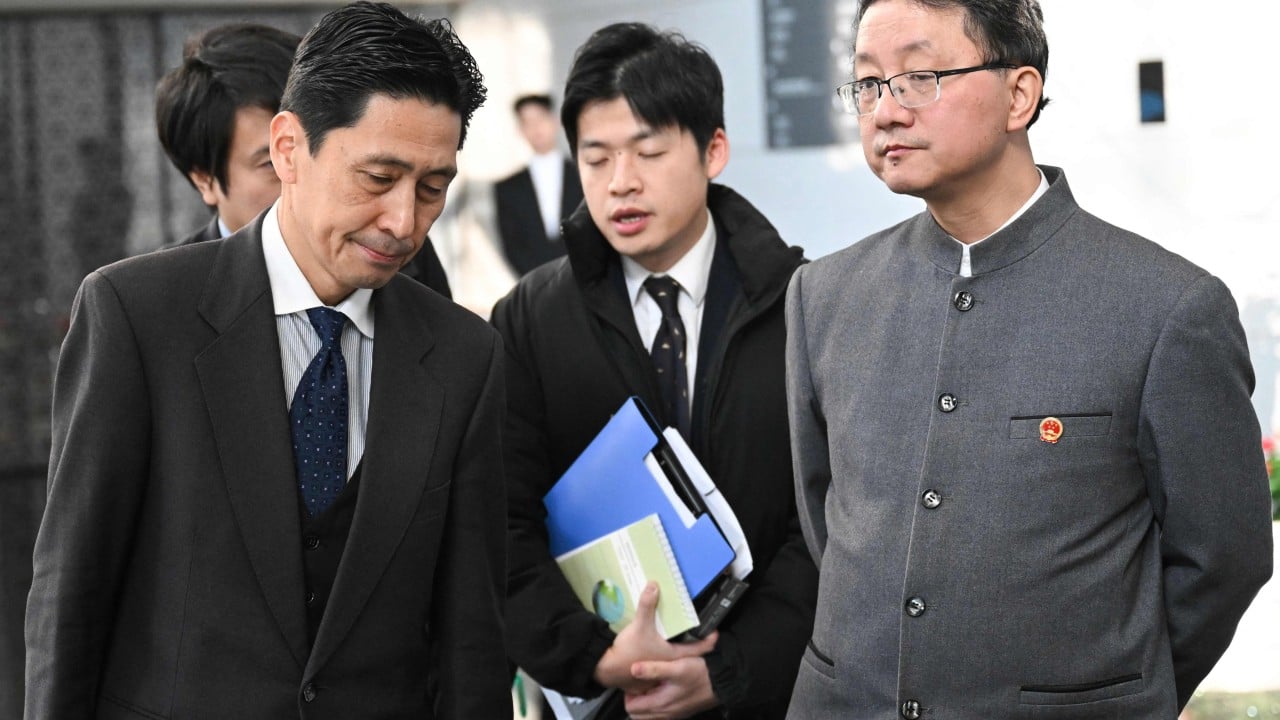
One year after Prime Minister Sanae Takaichi’s remarks on a Taiwan contingency froze Beijing-Tokyo ties, a Japanese media report has detailed a failed diplomatic mission to turn the table.
The episode, revealed by the Yomiuri newspaper on Sunday, occurred during a meeting in Beijing on November 18 last year between Masaaki Kanai from the Japanese foreign ministry and his Chinese counterpart Liu Jinsong, then head of Asian affairs.
The report said Kanai was conveying a message from Takaichi that Japan was considering expelling a Chinese diplomat over a social media post. Liu named Japanese consuls general stationed in China and warned: “If you expel one, we will expel two.”
Less than two weeks earlier, on November 7, Takaichi said in parliament that an attack on Taiwan could trigger a “situation threatening Japan’s survival”, potentially justifying a military intervention. Her statement provoked a fierce backlash from Beijing.
One day later, Xue Jian, the Chinese consul general in Osaka, posted that the “dirty neck … should be cut off” if it dared to intrude. The post, which he later deleted, fuelled protests from Tokyo.
04:47
Why have Takaichi’s Taiwan comments sent China-Japan ties into a tailspin?
According to the Yomiuri report, in a high-level meeting a week later Takaichi instructed senior government officials to “tell them that we will declare [Xue] persona non grata” unless he was recalled promptly.
Tokyo’s threat was met with an escalating “double payback” warning in the Liu-Kanai meeting, which far exceeded Japanese expectations.
The report said Tokyo initially anticipated a one-for-one retaliation – a limited exchange that would have allowed both sides to save face. Then, the tense meeting was followed by an image that sparked outrage in Japan and nationalist pride in China.
After the meeting, Liu was captured by state media leaving the building with both hands in his pockets, while Kanai walked beside him with his head lowered. The viral image was seen in Japan as a deliberate breach of diplomatic etiquette to humiliate Tokyo, while Chinese nationalists interpreted it as a display of strength.
Fearing that an escalation of expulsions could severely cripple diplomatic channels, Takaichi ultimately backed down to preserve a window for future dialogue, despite broad public support at home for her tough stance towards China, according to the report.
Beijing sees Taiwan as part of China to be reunited by force if necessary. Most countries, including Japan, do not recognise Taiwan as an independent state.
Takaichi’s remarks were seen by Beijing as a departure from previous Japanese governments, which had maintained an ambiguous position regarding Japan’s potential involvement in a Taiwan contingency since 1972.
One year after the Taiwan remarks, Beijing continues to demand a full retraction, while Takaichi has shown no sign of withdrawing them or softening her position, largely because of domestic political considerations.
US President Donald Trump pressed his Chinese counterpart Xi Jinping to roll back China’s export curbs on Japan when they met in Washington in September.
Trump also used the meeting to urge talks between the Chinese and Japanese leaders, but Xi was not particularly receptive to his request, the South China Morning Post reported.
The SCMP also learned that Japan pushed for talks between Takaichi and Xi to occur on the sidelines of the Asia-Pacific Economic Cooperation summit in Shenzhen next week, but Beijing rejected the request.
KioskNews shows a cleaned-up reading view extracted from the publisher’s page — the original always lives on their site, not ours.