10 Animated Movies Better Than 'Shrek'

Born with Autism (formerly classified as Asperger syndrome), Tyler B. Searle has been obsessed with storytelling since he was old enough to speak. He gravitated towards fairy tales, mythology, the fantasy genre, and animated movies and shows aimed at family audiences. When not writing, Tyler enjoys watching more cartoons and reading fantasy books in his home in Ontario, Canada.
Sign in to your Collider account
Shrek is easily one of the most important and beloved animated films of all time. Coming out during the experimental era of the early 2000s, it broke away from Disney's stranglehold on fairy tale musicals with a satirical take that mixed raunchy comedy with heartfelt storytelling. It spawned a franchise that is still going strong to this day, established DreamWorks as a proper contender for the best animation studio, and cemented 3D animated films as the way forward.
Shrek is a common sight on many best animated film lists, and while it more than deserves that recognition, there are other films that can rival its position. The movies here are arguably superior to Shrek, featuring better characters, a more impactful sense of humor, and a stronger message that makes them resonate even more,
'The Emperor's New Groove' (2000)
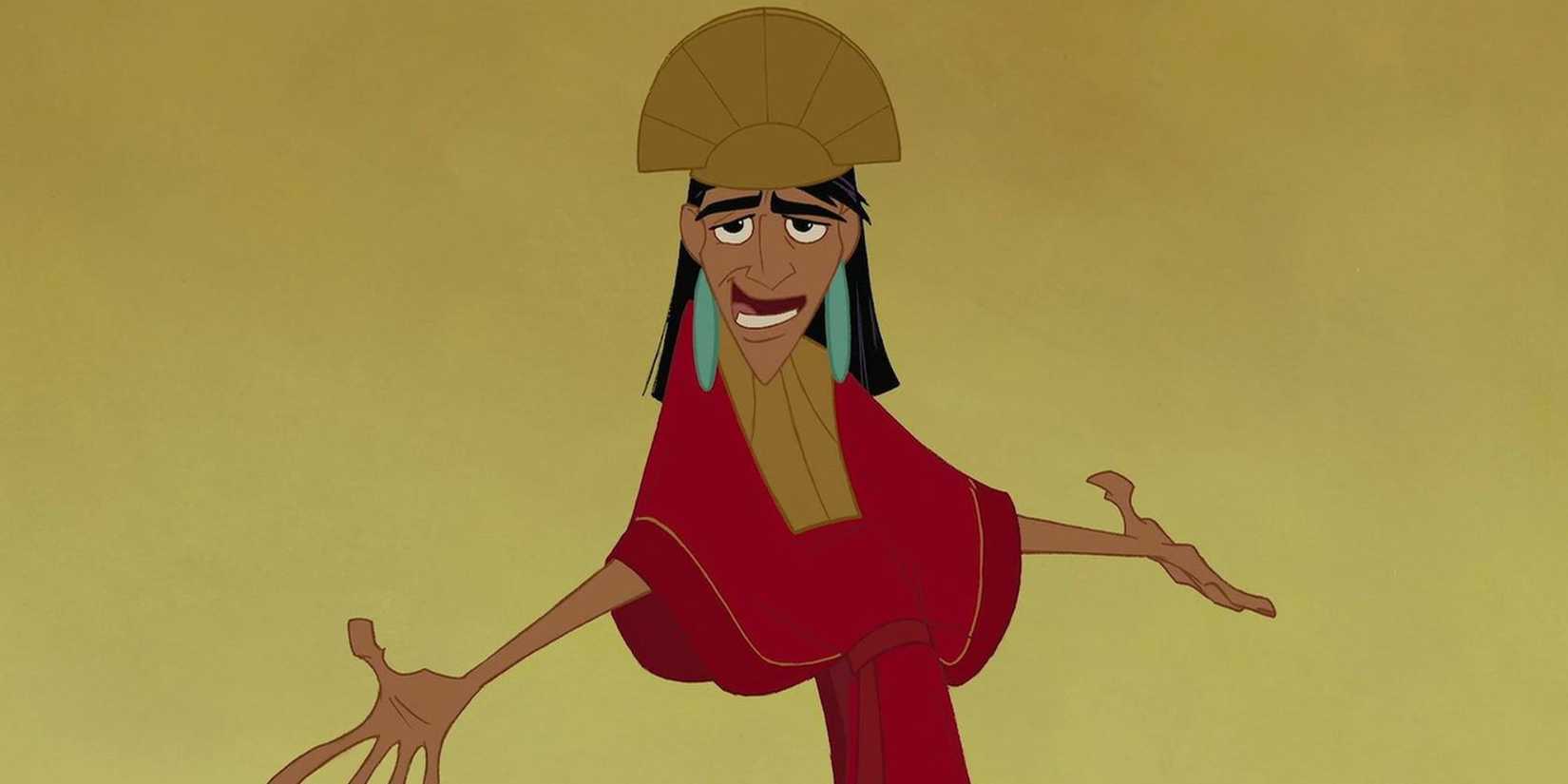
Kuzco (David Spade) is the young, self-absorbed emperor of the Incan people, who plans to destroy a village to build a summer palace in its place. However, his former advisor, Yzma (Eartha Kitt), attempts to poison him, but due to a mix-up by her assistant, Kronk (Patrick Warburton), the poison was replaced with a potion that turned Kuzco into a llama. A series of events then sees him taken from the palace, and if he wants to undo this spell, Kuzco must team up with Pacha (John Goodman), the leader of the village he plans to destroy.
The Emperor's New Groove went through a rough production that saw it transition from an animated musical based on The Prince and the Pauper to a buddy comedy that feels more like a Warner Bros. cartoon than a Disney one. The comedy is fast-paced and varied, with surrealist jokes, slapstick, and plenty of fourth-wall breaks. While Kuzco and Pacha are both great characters, the real stars are the villains: Yzma and Kronk dominate every scene they're in thanks to their complementary personalities, brilliant writing and Kitt and Warburton's hilarious performances.
'Kung Fu Panda' (2008)

When Grand Master Oogway (Randall Duck Kim) prophesies that the fallen kung fu master, Tai Lung (Ian McShane), will return to the Valley of Peace, it is decided to choose someone to become the Dragon Warrior and oppose him. While everyone assumes it will be a member of the Furious Five trained by Master Shifu (Dustin Hoffman), Oogway instead chooses Po (Jack Black), an obese panda who works with his dad at a noodle shop. Though Shifu initially tries to get Po to quit, he realizes that Oogway must have seen something in the panda, and does what he can to train him.
Kung Fu Panda became one of DreamWorks' major franchises, and it remains a fantastic example of the hero's journey. Po's quest to become the Dragon Warrior is full of many relatable trials and tribulations, most of all, overcoming his self-loathing and telling himself that he is as capable as anyone else in his own way. The animation is also beautiful, capturing the spirit of Chinese artwork and lending itself to fast-paced action sequences that blend slapstick with real technique.
'Song of the Sea' (2014)
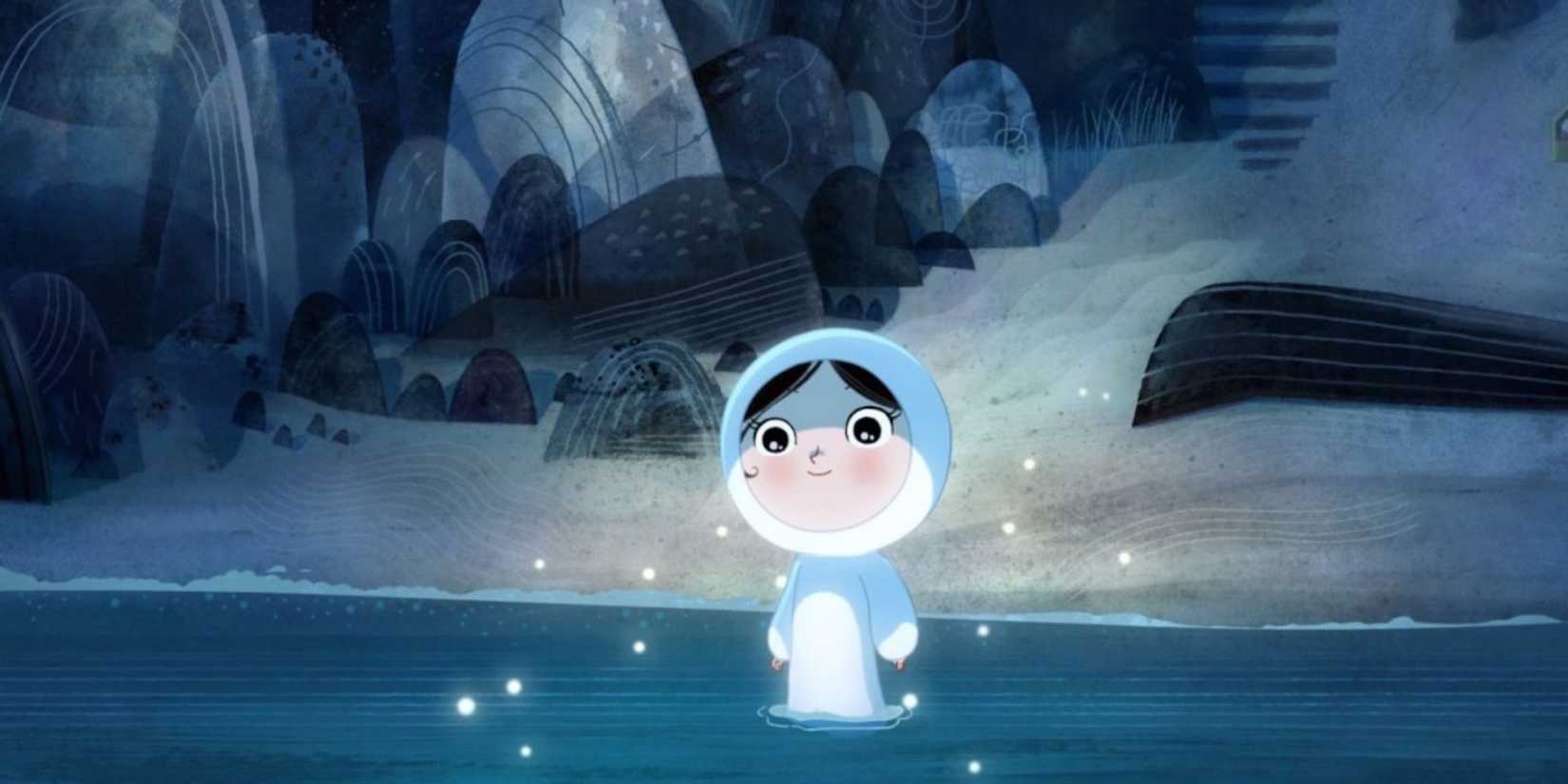
Ben (David Rawle/James Ó Floinn) is the son of an Irish lighthouse keeper named Connor (Brendan Gleeson) who lives with him, their dog Cú, and Saoirse, Ben's mute sister, whom he blames for the disappearance of their mother. As Connor sinks into a deep depression, his mother comes to take the kids with her to the mainland, though they later sneak out to try and get back to Cú. Along the way, they learn that Saoirse is actually a Selkie—fairies who can turn into seals—and that she is the key to opening the way to Tír na nÓg, home of the fair folk.
Song of the Sea is the second of Cartoon Saloon's Irish Mythology Trilogy, and arguably the best. The animation style is evocative of medieval illustrations and ancient Irish mythology, which helps to make the world and its inhabitants all the more magical. As for the story, it is a strong story about grief and coming to terms with it, while also showing the dangers of closing yourself off to emotions.
'The Iron Giant' (1999)

Hogarth Hughes (Eli Marienthal) is a young boy living in Rockwell, Maine, who loves science fiction stories. One night, he discovers an alien robot (Vin Diesel) feeding on electricity at a substation, and ends up befriending it. As Hogarth helps teach the giant about Earth, a government agent named Kent Mansley (Christopher McDonald) arrives in town and worries that the giant might be a Communist weapon.
The Iron Giant was a victim of poor marketing on release. It has since been re-evaluated as a classic, thanks to its strong, endearing storytelling, which uses the giant's situation to explore themes of the other, the dangers of paranoia, and determinism vs. pre-determinism. The voice cast is also great, particularly Diesel as the complex giant, giving him a unique mix of size, power, and wonder.
'Shrek 2' (2004)
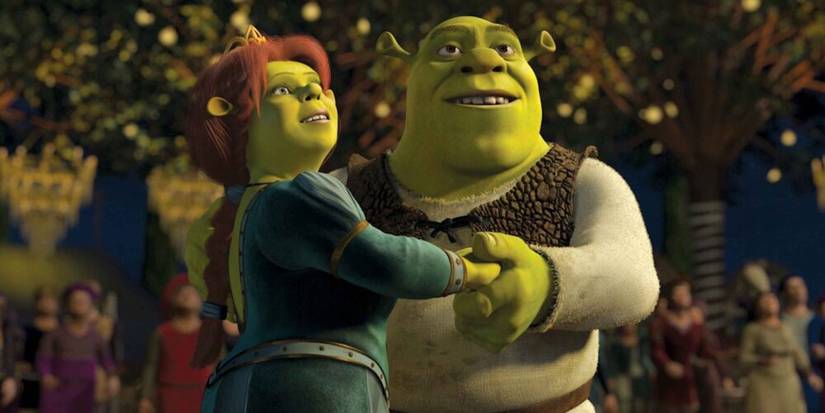
After coming back from their honeymoon, Shrek (Mike Myers) and Fiona (Cameron Diaz) are invited to the Kingdom of Far Far Away to meet Fiona's parents, King Harold (John Cleese) and Queen Lillian (Dame Julie Andrews). Unfortunately, the king and queen were expecting Fiona to marry a human prince, and both Shrek and Harold quickly take a dislike of each other over dinner. Seeing how upset Fiona is by it, Shrek tries to make an effort to improve, unaware that Harold is in league with the Fairy Godmother (Jennifer Saunders), who demands Fiona marry her son, Prince Charming (Rupert Everett).
Shrek 2 is one of those few sequels that manages to equal, or even eclipse, the original film. It does so by continuing the story to show the sacrifices Shrek and Fiona are willing to make for one another, while upping the number and creativity of its fairy tale jokes. It also introduces some beloved characters to the franchise, such as the feline fencer Puss in Boots (Antonio Banderas), and builds up to a truly iconic climax.
'Puss in Boots: The Last Wish' (2022)
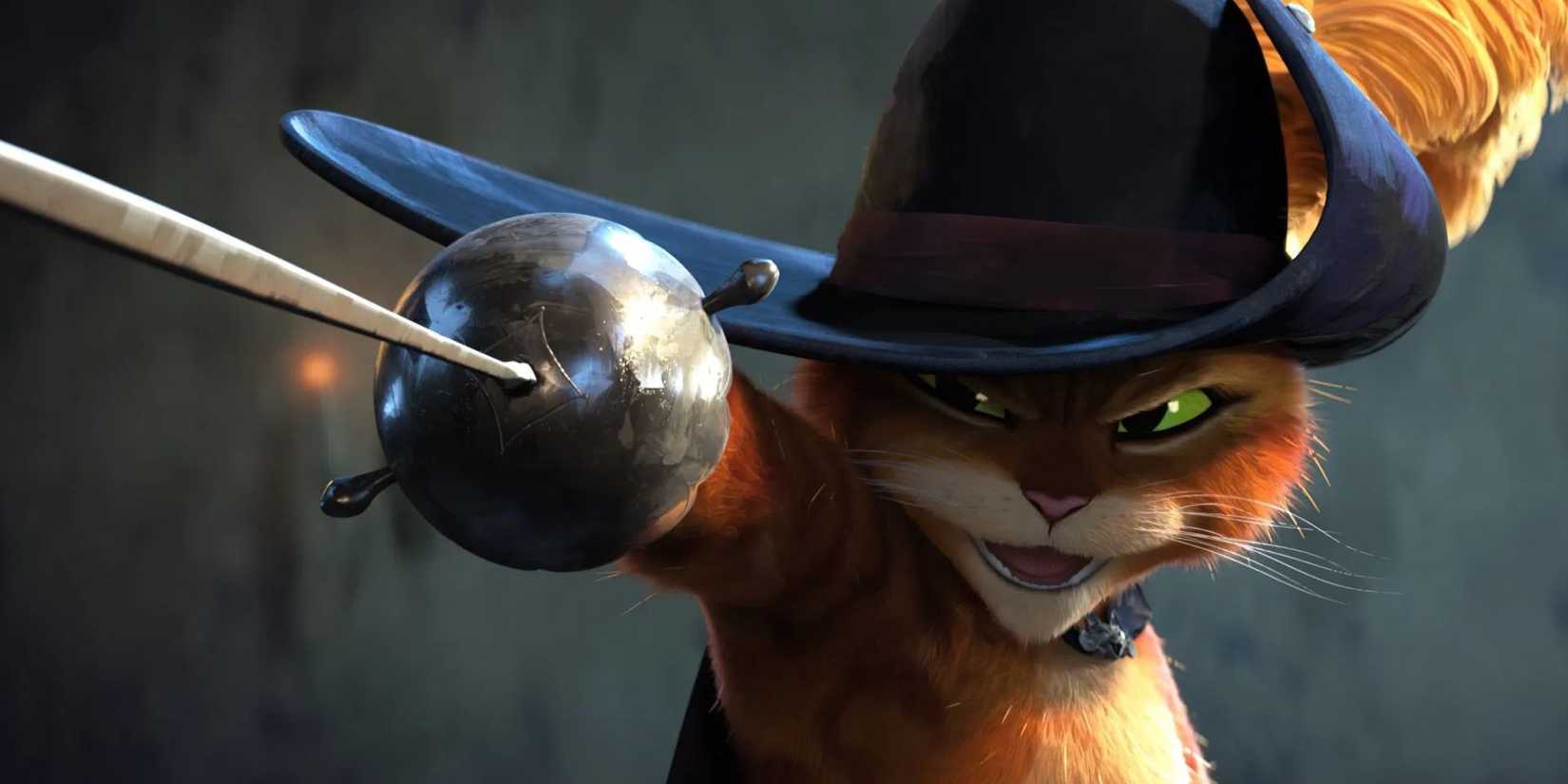
Shortly after leaving Shrek, Puss in Boots returns to the life of an outlaw but is distraught to learn that he is down to the last of his nine lives. When a mysterious white wolf (Wagner Moura) nearly kills him in a duel, Puss decides to retire in disgrace and spend the rest of his life as a house cat. That is, until he learns about a map that leads to the last wishing star, which he can use to regain his lost lives.
Puss in Boots: The Last Wish is a sequel to the Shrek spin-off Puss in Boots, and it ended up blowing audiences and critics away with how much effort and care went into it. The animation alone is easily the best in the franchise, with a beautiful watercolor design that gives the film a living fairy tale book aesthetic, and stylistic choices like animating the action scenes on twos to help them stand out more. As for the story, it is a surprisingly mature affair focused on death and recognizing the best parts of our lives, all while still throwing in plenty of jokes.
'Spider-Man: Into the Spider-Verse' (2018)
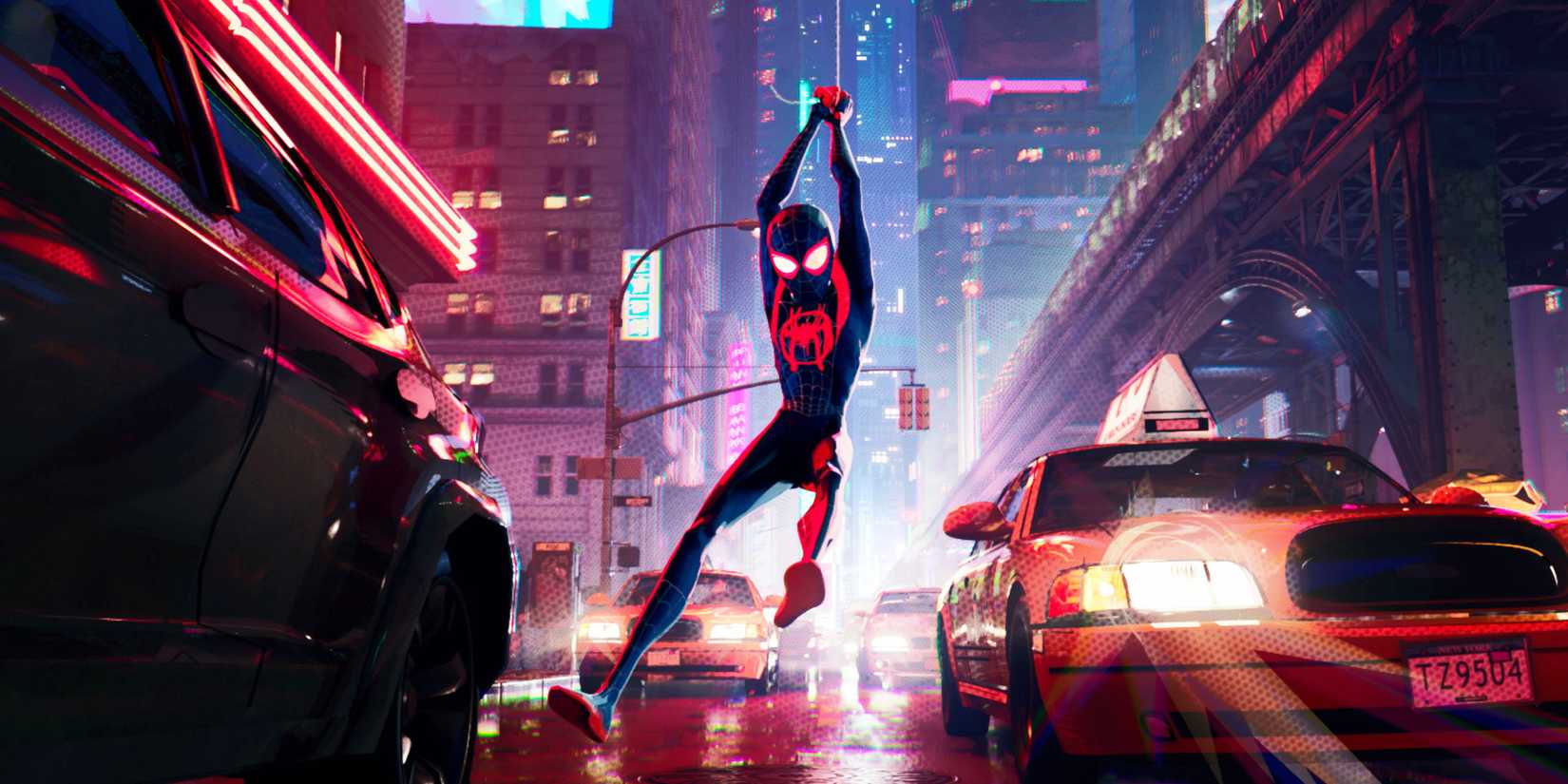
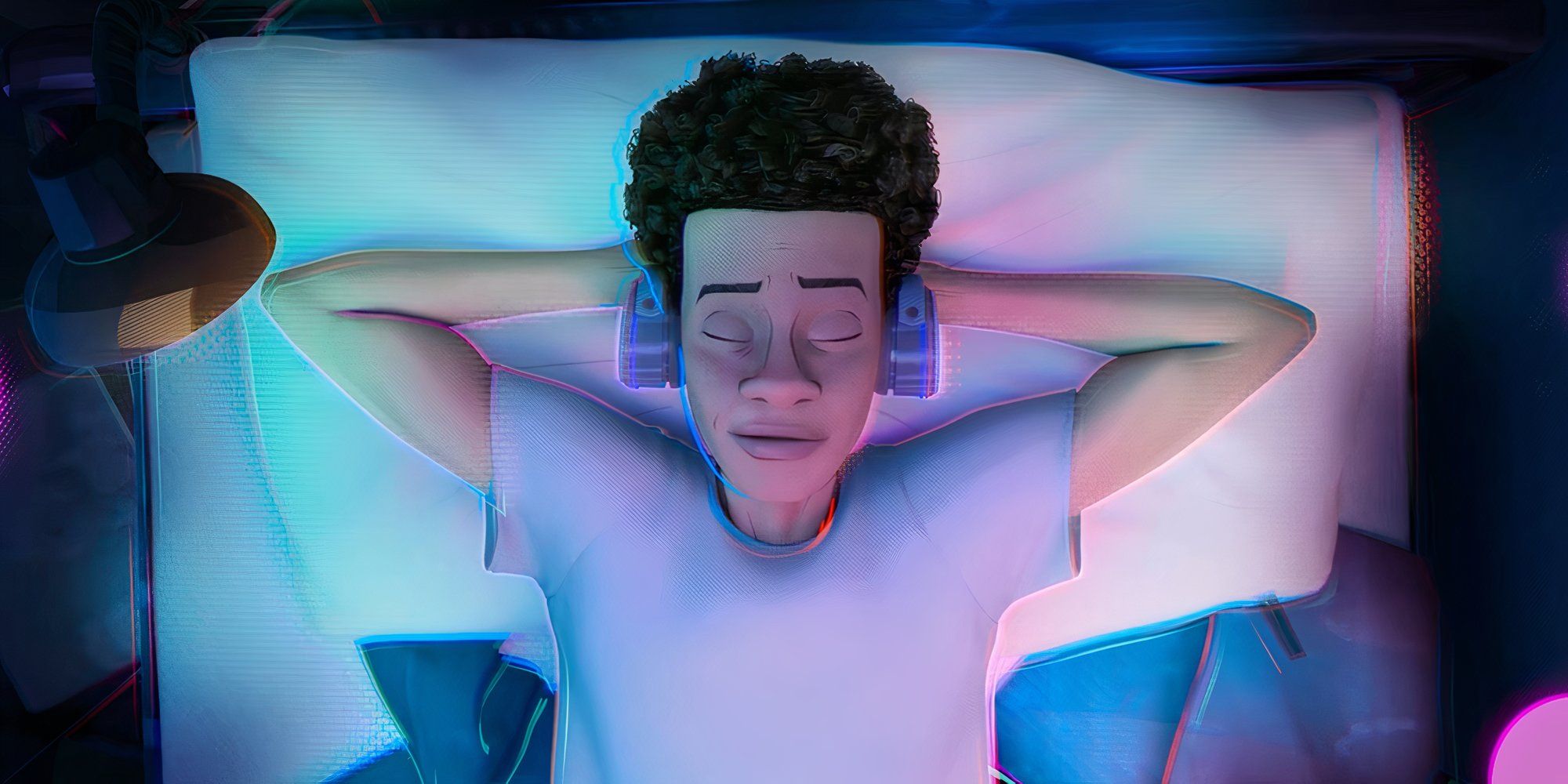
While painting graffiti with his uncle Aaron (Mahershala Ali), Miles Morales (Shameik Moore) is bitten by a radioactive spider and gains powers like those of New York's local hero, Spider-Man (Chris Pine). When he investigates the spider's origins, he witnesses a battle between Spider-Man and Kingpin (Liev Schreiber) in a massive collider. Spider-Man is killed, but not before he passes Miles a flash drive that can be used to shut the machine down. Kingpin's experiments then open portals to other universes, pulling other versions of Spider-Man into Miles' world.
Spider-Man: Into the Spider-Verse is one of the most important animated films in the last decade. Its unique art style, which mimics the aesthetic of a living comic book, has inspired countless other films, leading to a wider array of visual styles and engaging action sequences. As for its story, the film does a great job juggling numerous alternate versions of the same character while still keeping the focus on Miles, leading to plenty of great jokes, heartfelt moments, and a solid superhero origin story.
'Toy Story' (1995)

Woody (Tom Hanks) is a cowboy doll and favorite toy of Andy Davis (John Morris), who acts as the leader of Andy's toys when they come to life after he leaves the room. However, things change when Andy gets a Buzz Lightyear (Tim Allen) action figure for his birthday, who thinks that he is a real space ranger. Soon, Woody finds himself replaced as both Andy and the other toys become enamored with Buzz, causing him to concoct an ill-conceived plan in a fit of jealousy.
Toy Story is the first fully CGI film, and remains one of the most beloved animated films even if the animation hasn't aged the best. The appeal comes from the camaraderie between its characters: Woody and Buzz have complementary personalities that lend themselves to a believable rival-to-best-friends relationship. The story is all about adapting to change, which is a universal theme that ensures the story will continue to find an audience for years to come.
'The Lion King' (1994)

Simba (Johnathan Taylor Thomas) is a young lion cub and the only son of King Mufasa (James Earl Jones). This makes him next in line to rule over a wide stretch of the savannah called the Pride Lands, where all animals maintain the delicate balance of the circle of life. However, Mufasa's younger brother, Scar (Jeremy Irons), covets the throne for himself and makes an alliance with a clan of hyenas to clear the way for his ascension.
The Lion King was one of the first examples of Disney making an original story rather than adapting a fairy tale or book, though it does pull inspiration from Hamlet. It's a grand, epic film that balances comedy with a strong narrative about grief, duty, and accepting the past so you can learn from it. It also helps that the animation is vast and colorful, and it is accompanied by an epic score by Hans Zimmer with beloved songs from Sir Elton John and Sir Tim Rice.
'Beauty and the Beast' (1991)

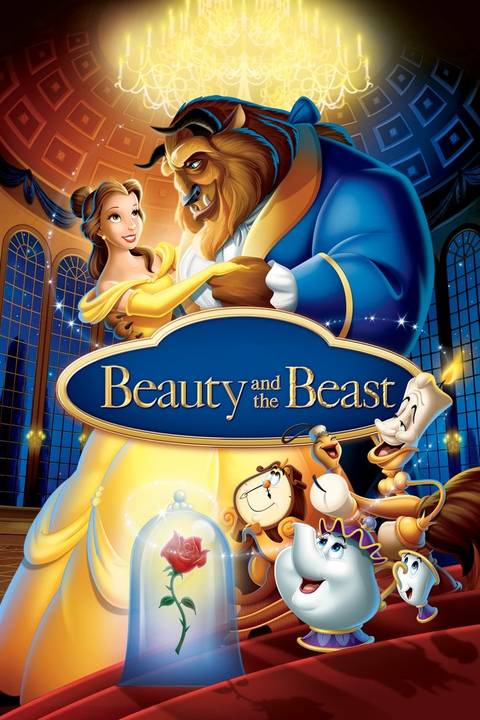
Belle (Paige O'Hara) is a young woman living in a provincial French town who longs for a more exciting life of adventure. She gets her wish when she discovers her father, Maurice (Rex Everhart), has been imprisoned by a Beast (Robby Benson) for trespassing in his enchanted castle home. Belle offers to take her father's place to spare his life, and, in time, she begins to see that there is more to the Beast than first seems.
Beauty and the Beast nearly didn't come to be after Jeffrey Katzenberg demanded it be scrapped and remade halfway through its production, but it went on to make history as the first animated film to be nominated for the Academy Award for Best Picture. The success is thanks in large part to the story, which updates the classic fairy tale in a way that sticks true to the original themes of inner beauty and love growing over time, but also incorporates plenty of necessary changes and new additions. It also boasts some of the best songs in any Disney film, courtesy of the legendary songwriting duo of Alan Menken and Howard Ashman.
Beauty and the Beast
- Release Date
- October 22, 1991
- Cast
- Paige O'Hara, Robby Benson, Richard White, Jerry Orbach, David Ogden Stiers, Angela Lansbury, Rex Everhart, Jesse Corti, Bradley Pierce, Hal Smith, Jo Anne Worley, Mary Kay Bergman, Kath Soucie, Alvin Epstein, Tony Jay, Brian Cummings, Alec Murphy, Kimmy Robertson, Frank Welker, Alex Murphy, Sherry Lynn, Mickie McGowan, Jack Angel, Bruce Adler, Scott Barnes
- Runtime
- 84 minutes
- Director
- Gary Trousdale, Kirk Wise
- Writers
- Linda Woolverton
KioskNews shows a cleaned-up reading view extracted from the publisher’s page — the original always lives on their site, not ours.