Murder on the dancefloor: Hollywood’s nightclub scenes are a crime
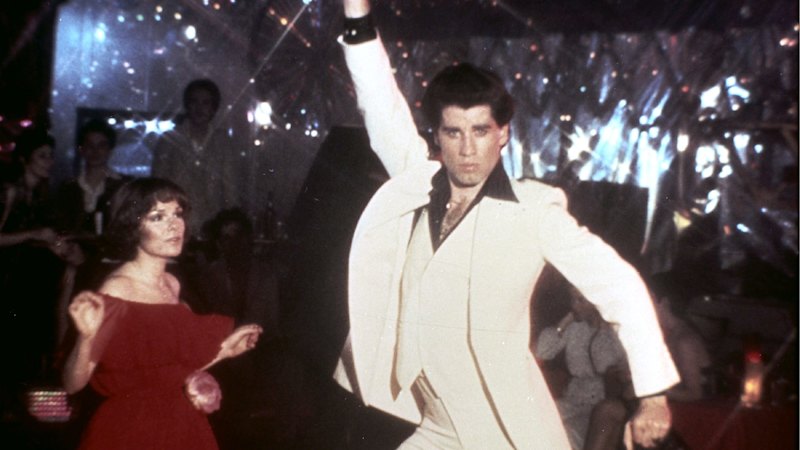
Some of the catchiest hooks ever to lodge themselves in our collective ear canals have been odes to the nightclub. Dancing Queen, Pink Pony Club, Disco Inferno, In da Club and countless other dancefloor fillers have extolled the sensual pleasures of dropping it like it’s hot. It’s a modern tragedy, then, to read story after story reporting that The Youth of Today do not, in fact, love the nightlife.
In April Charli XCX declared “the dance floor is dead, so now we’re making rock music”. She’s late to the party. Studies around the world suggest that reaching the age at which it’s legal to hit da clerb brings with it very little interest in doing so. The reasons are many. The high cost of living is the most obvious, while firebombs and drive-by shootings have added a scary tax to that bill.
Most depressing of all is the fear that someone will video you right when you’re losing yourself to dance. It’s bad enough that social media lets people laugh at strangers who’ve done nothing wrong. It’s worse that the possibility of public shaming is keeping a generation from doing what comes so naturally. That’s the real murder on the dancefloor.
One of the purest forms of joy comes from seeing what happens when someone lays down a dance track to a bunch of toddlers. They’ll instinctively start bopping up and down at the knees, faces blank, eyes vacant, like ravers at a bush doof come sunrise. It’s the body talking, before it even has words to describe why.
From courtly waltzes to barnyard hoedowns to back-alley breakin’ battles, dance is the oil that greases many a social apparatus. It can be the language of love or a method of settling grievances. We can build community or be our own bad selves. We’re pretty much born dancing and it doesn’t cost a cent. Run a cost-benefit analysis, and you’ll find that cutting some rug carries a hefty return on investment.
But I’d argue that the most nefarious nightclub killer comes from unexpected quarters: Hollywood. There are few venues as soul-leeching as the cinematic nightclub. The screen is like a burly bouncer who invariably denies entry to the very things that bring dancefloors to life. When the blinding, throbbing, pheromone-drenched atmosphere of a club is reduced to two dimensions, it’s like AI trying to tell a joke. You can see what it’s trying to do, but something vital is missing.
There’s nothing dorkier than trying too hard to be cool, and that’s where filmmakers have two left feet. There are films notorious for their cringey club scenes: bulldog-jowled Michael Douglas looks barely able to bend at the hip in Basic Instinct. Collateral’s clubbers famously keep grooving even when their fellow dancers are shot or stabbed. The Matrix trilogy is a repeat offender with several dance scenes you’d take the blue pill to avoid.
The flatness of nightclub scenes is typically due to a technical requirement: all of those extras shimmying around are actually doing so in near-silence. Music prevents directors from issuing their commands and renders dialogue inaudible. Instead of providing actors with blood-pumping tunes, they’re at best given a click-track, a metronome tone to set the tempo. I don’t know about you, but the monotonous ticking of a pedestrian crossing doesn’t compel me to bust out my sickest moves.
More egregious, however, is cinema’s bizarre insistence that every nightclub is fully stocked with women writhing in cages. Sometimes they’ll be gyrating in glass boxes, just to mix things up, I guess. No doubt there are clubs where women find gainful employment dancing in cages and boxes, but it speaks volumes to the character of Hollywood producers if that’s the only type of club they’ve ever visited.
Even the phrase “women writhing in cages” has a nose-wrinkling air in 2026, so perhaps nightclubs have an image problem that’s been fermenting for decades. Gen Z might be avoiding the dancefloor, but they’re fronting up to cinemas in surprising numbers. Maybe it’s up to a new breed of filmmakers to reimagine club scenes. We’re all trying to be cool at the club, but the gap between our dreams and reality is where the real drama lies.
Give us dancefloors not via the lurid fantasies of sweaty-palmed producers but as the spaces where awkward, hopeful, self-conscious but courageous strangers try to connect. The soundtrack to that scene is ready to roll.
Want more Verdicts?
- Tom Cruise: it’s time to take the actor seriously
- Jeopardy!: The best thing on TV right now is a quiz show hosted by a Mormon brainiac
- Femme fatale: Why killer women are better than boring alpha men
- Nice guys finish first: Why this film is criminally underrated
- Binge-watching: Short seasons are ruining TV; bring back the 22-episode season
- Killer ballerinas: Why is Hollywood so obsessed with them?

KioskNews shows a cleaned-up reading view extracted from the publisher’s page — the original always lives on their site, not ours.