'La Bola Negra’ Finds Beauty in the Rubble of Spain's Tragic History | Review
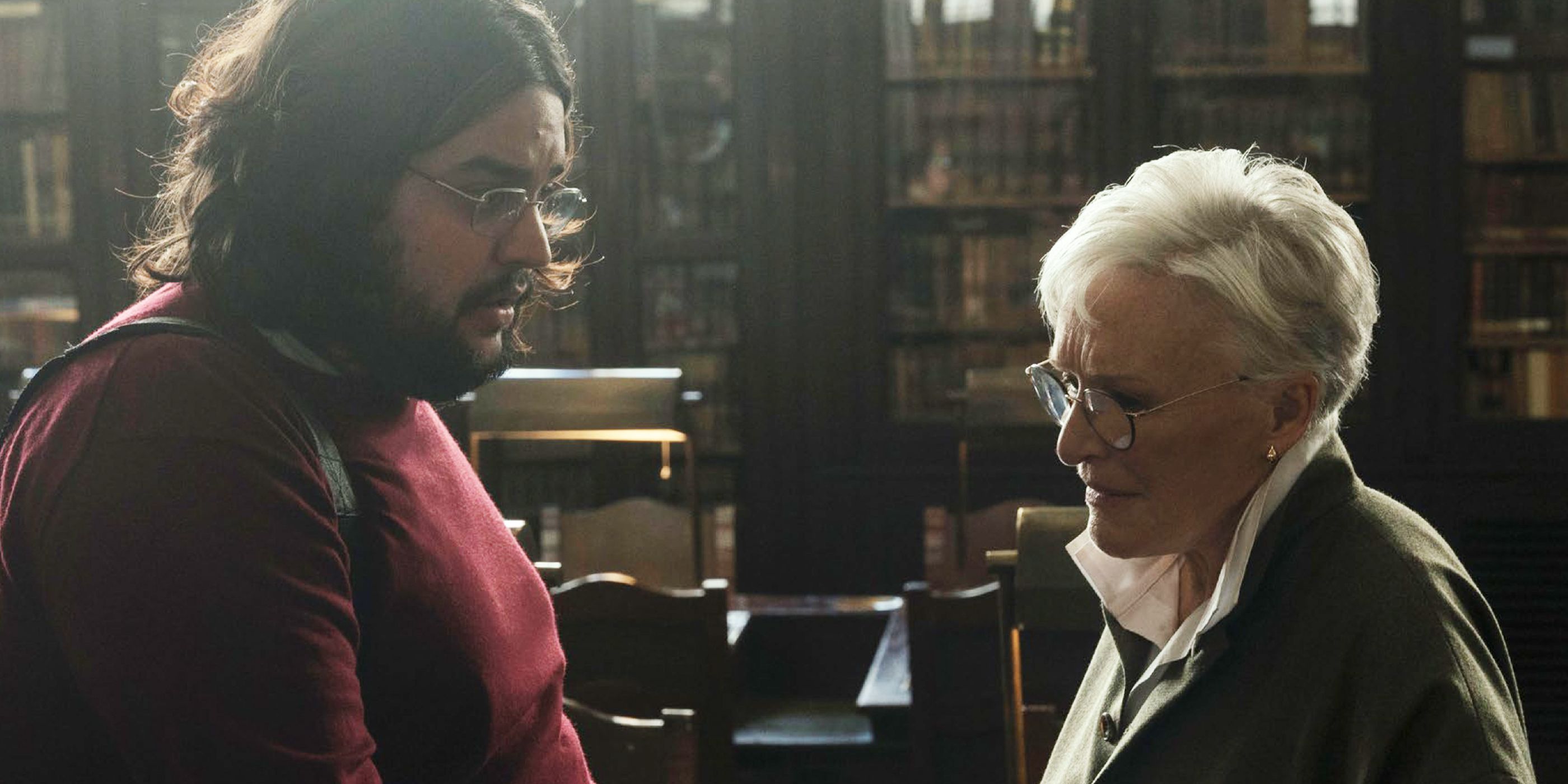

As Oscar season whirs into motion, one of the most talked-about movies coming out of the festival circuit is La Bola Negra. Directed by Javier Ambrossi and Javier Calvo — a partnership nicknamed "Los Javis" — this drama looks at the devastating and long-lasting effects of the Spanish Civil War, through the lens of queer romance. Featuring cameos from Glenn Close and Penélope Cruz, the film is already a hit in its native Spain, where it gained the honor of being the country’s submission for Best International Feature Film at the 2027 Academy Awards. It was also nominated for the prestigious Palme d’Or at this year’s Cannes Film Festival, where Ambrossi and Calvo took home the Best Director award. But can the film live up to all the festival hype?
What is ‘La Bola Negra’ About?

La Bola Negra takes viewers through three interwoven stories, each occurring during a different era of Spanish history. The earliest is set in 1932, and follows Carlos (Milo Quifes), a man seeking membership at an exclusive club in Granada, who is shocked to find himself “blackballed” due to rumors surrounding his sexuality. The film then jumps to 1939, during the Spanish Civil War, where Sebastián (Álvaro Lafuente Calvo), a Nationalist soldier in the war, is ordered to guard an opposition prisoner of war (Miguel Bernardeau). The prisoner, an actor named Rafael, tells his captor about his life, and they begin to fall in love. The final segment is set in 2017, where Alberto (Carlos González), a student and former playwright, receives a mysterious message following his grandmother’s death, which leads him to uncover a secret about his family history.
All three stories are connected by La Bola Negra, an unfinished play by Federico García Lorca, who died in 1936 during the Spanish Civil War.
‘La Bola Negra’ is a Passionate Trilogy of Stories About Queer Exclusion
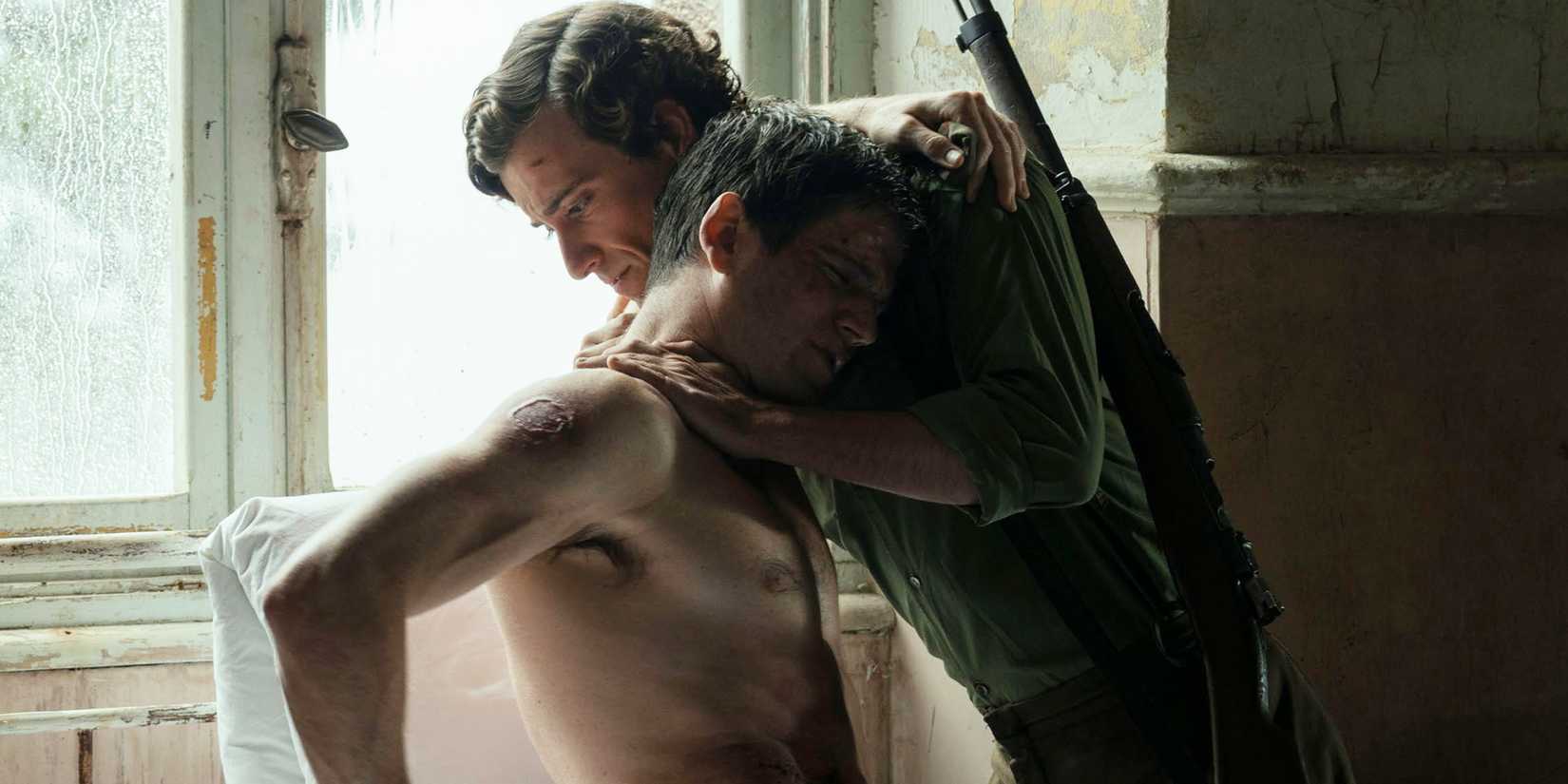
In less enlightened times, homosexuality was referred to as “the love that dares not speak its name,” a euphemism popularized by the trial of playwright Oscar Wilde. It is the tragic repression behind that phrase that runs through La Bola Negra, as the three protagonists grapple with the consequences of their own passions. The triptych will resonate with most LGBTQ+ viewers, or anyone who has had to hide something of themselves in order to survive: All three of these men must make impossible choices, facing exclusion from family, social ostracization, or even death for living authentically. Even Lorca’s play, which serves as the backbone of the movie’s narrative, is a reminder of lives cut short.
The film, however, is interested in more than tragedy. Each story learns from its predecessor, as all three protagonists discover queer history buried beneath the rubble of conflict. It is a celebration of the lives lived in secret, not captured by history books, but in their own quiet way, teaching future generations that they were always here. It also celebrates the power of art as a means of expression, as the unfinished play of the title becomes an artifact from a past that was pushed into the shadows. It’s this spirit that makes the movie profoundly moving, and while not everything in its complicated premise comes together seamlessly, the passion in the storytelling never fades.
‘La Bola Negra’ Becomes a Beautifully Crafted Narrative Puzzle
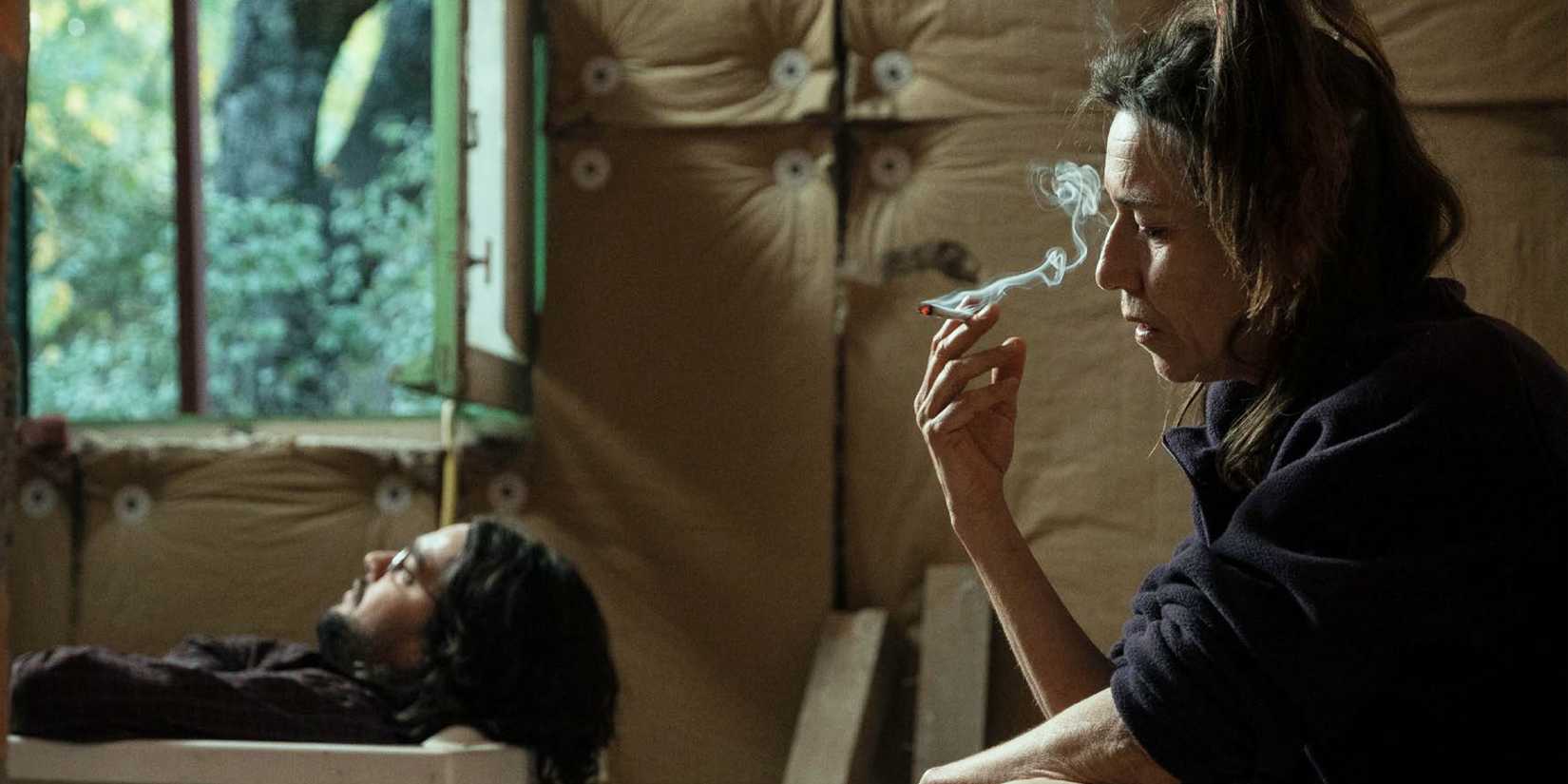
There is a problem inherent to any movie separated into different chapters: the filmmaker must make all three journeys equally compelling and connect in a way that makes sense to the audience. La Bola Negra mostly succeeds in this goal, but occasionally loses its way, giving in to melodrama or narrative excesses. The movie is, after all, looking to thread together a history of Spanish queer identity, a grand task that sometimes proves too mighty for a single film.
However, while it comes up short in its search for perfection, there are many memorable moments to be found in that pursuit. Penélope Cruz dazzles in her brief but memorable appearance as an entertainer brought in to rouse the troops, who also introduces Sebastián to queer icons of the past. There are also visual moments that are quite breathtaking, as all three men witness beauty among the rubble (in some cases, quite literally). The puzzle pieces of the story come together in a way that might be a touch forced at times, but the emotional investment it draws from you makes those connections feel incredibly satisfying.
Glenn Close and Penélope Cruz Support Three Passionate Lead Performances
As with many independent films, big stars are brought in for showcase moments that help the film find attention. Cruz has something of a prestige cameo, providing one of the movie’s most visually memorable sequences, while Glenn Close pops up in the third story, playing a historian who helps Alberto untangle his family mystery. Both acting legends make their mark, but these familiar faces bolster some excellent work from the lesser-known leading men.
Álvaro Lafuente Calvo, a singer-songwriter known professionally as Guitarricadelafuente, is the movie’s stand-out, expertly portraying the film’s examination of how war crushes the innocence of love. Sebastián is a reluctant soldier in a war he doesn’t understand, finding love in the worst possible place, at the worst possible time. The vulnerability in his performance is what shines through, and provides the heart of what is the most compelling section of the narrative. Quifes is impressive as well, particularly given that this is his first major film role, and while González has perhaps the least dramatic of the three roles, he confidently represents modern queerness searching for its roots.
La Bola Negra’s ambition may overwhelm it at times, but "Los Javis’"nonetheless present a sincere and fervent celebration of Spanish queer identity, as well as the scars that the senselessness of war leaves behind on a nation. A clear frontrunner for many categories at the Oscars, the hype surrounding this imperfect but memorable saga is more than justified. Depending on your own background, it’s either a handsomely crafted exploration of an oft-overlooked history, or reassurance that you have never been alone.

- Release Date
- October 16, 2026
- Runtime
- 155 minutes
- Director
- Javier Calvo, Javier Ambrossi
- Writers
- Javier Calvo, Javier Ambrossi, Alberto Conejero
- Producers
- Javier Ambrossi, Javier Calvo, Jorge Pezzi
Cast
-

Guitarricadelafuente
Sebastian
-
Miguel Bernardeau
Rafael
Pros & Cons
- A beautiful film with stunning visuals.
- A passionate exploration of queer history.
- Stand-out lead performances.
- An unforgettable appearance from Penélope Cruz.
KioskNews shows a cleaned-up reading view extracted from the publisher’s page — the original always lives on their site, not ours.