flydubai Co-Pilot Planned To Execute Attack In July. This Stopped Him
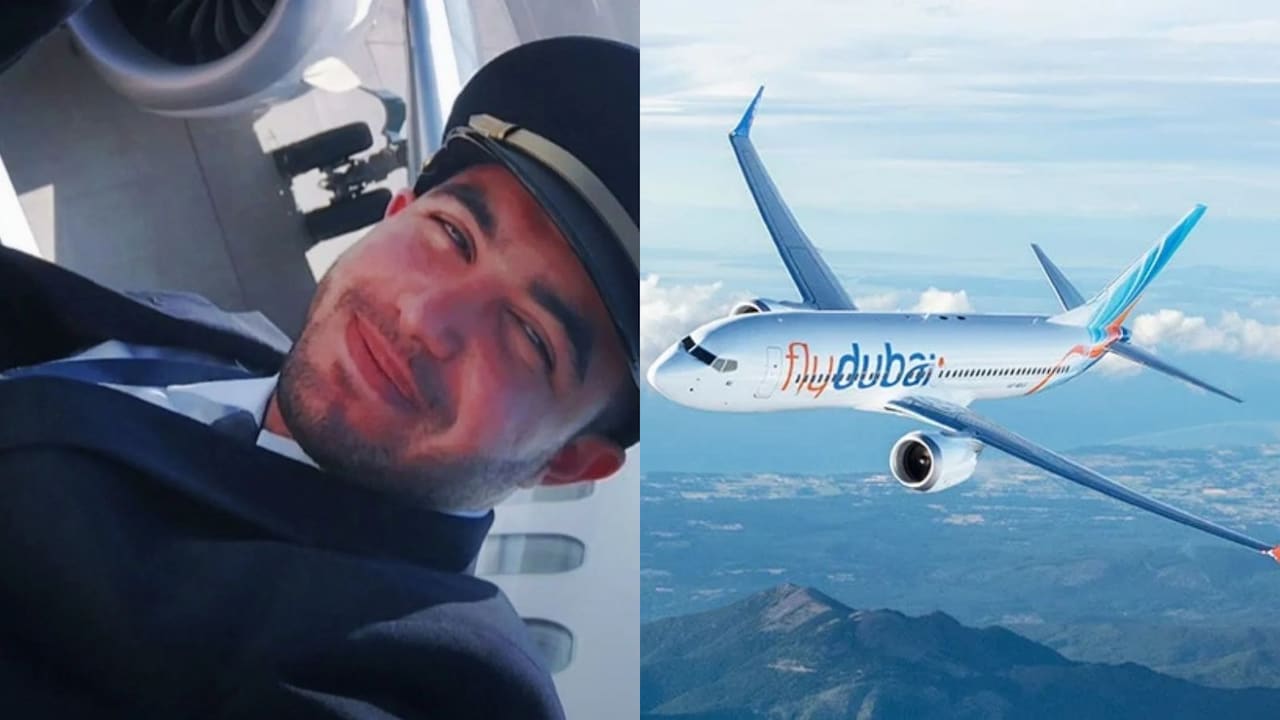
The flydubai co-pilot who tried to crash a flight to Tel Aviv reportedly planned to crash the aircraft into Israel's Ben Gurion Airport. Hamam al-Hammami, an Omani first officer who is under arrest, told investigators in the United Arab Emirates (UAE) that he intended to continue flydubai Flight 1073 as normal after killing the flight's captain, Smit Machchhar, to receive all necessary landing clearances without raising suspicion, and to then crash the plane into a building or jet at the airport in a 9/11-like attack, Israel's Hebrew media outlets reported.
Quoting sources, Ynet reported that al-Hammami told investigators that to put his plan in motion, he attacked Machchhar over Jordan, as the plane was approaching Israel.
By waiting until the last moment, al-Hammami believed he would have kept anyone from realising what was happening, not giving them time to alert or stop him from carrying out his plan. He also reportedly said if the airport was not successful, he would have crashed the plane into a skyscraper in Tel Aviv or on one of the US military bases in Jordan.
However, his plan was thwarted after the Indian pilot, despite his injuries, fought back, sending distress signals and opening the cockpit door, allowing the crew and passengers to restrain the co-pilot and take back control of the plane before two off-duty pilots flew it safely to land in Saudi Arabia.
Last week, Captain Machchhar, who is receiving treatment at a hospital in Abu Dhabi, told Israel's Prime Minister Benjamin Netanyahu that al-Hammami had asked to pray minutes before he struck him with a crash axe, dealing a "big blow" to his head. At first, Captain said he thought the plane was hit. But then, he said, "The blows kept coming. I realised that it's not the aircraft, it's the other guy who was in the cockpit with me."
'Omani Pilot Delayed The Attack'
Sources told Israel's Channel 12 that al-Hammami first intended to execute his plan in July but ended up delaying his operation at the last moment, as he was friends with one of the crew members.
Reports said al-Hammami had flown to Ben Gurion Airport several times in recent months since joining flydubai. He reportedly told investigators that during a trip to Israel in June, he devoted his entire focus to collecting intelligence and planning his attack.
'He Joined fludubai With The Plan'
According to a Channel 13 report, the Omani co-pilot planned the attack before joining flydubai, a low-cost Emirati airline that operates flights between Israel and the UAE.
"I looked into which airline flies to Tel Aviv. That's why I chose Flydubai. I planned it even before I was accepted," he told investigators.
'Tried To Crash The Plane'
The Italian newspaper Corriere della Sera reported that after attacking Captain Machchhar, al-Hammami turned off the plane's engines and pushed the rudders forward, which led to the plane dropping 16,000 feet in less than a minute, almost reaching the speed of sound.
With the investigation into the flydubai incident underway, preliminary details have highlighted several major security lapses. Officials have already said that his own country barred the Omani co-pilot from flying because of concerns about his extremist views.
It also remains unclear how a citizen of Oman, an Arab country that has no diplomatic relations with Israel, was allowed to fly a plane load of Israelis to Tel Aviv.
'He Was Radicalised'
Hammami, 29, is an Omani citizen, with an Omani father and a Syrian mother. He had lived in Syria during the civil war and had reported posted online messages in support of al-Qaeda.
It also remains unclear how FlyDubai failed to identify the Omani pilot as a security risk. The regional officials told the Associated Press that Emirati authorities had shared information about the passengers and crew, including their nationalities.
Israel hadn't raised red flags on any passenger or member of the crew, said the officials, who spoke on condition of anonymity because they were not authorised to speak to reporters about the probe.
The Shin Bet, Israel's domestic security agency, said the Transportation Ministry is responsible for vetting passenger lists from foreign flights. Transportation Minister Miri Regev on X said the security agencies are responsible for flight security and that her ministry wasn't given a list of passengers or any warnings.
Sharing the list is standard aviation procedure. But the head of aviation security at the Transportation Ministry, Dvir Rubenstien, told Army Radio that the ministry relies on local security checks and does not have the tools or the ability to run checks on each passenger on every flight.
KioskNews shows a cleaned-up reading view extracted from the publisher’s page — the original always lives on their site, not ours.