Police arrest 48 suspects in scam crackdown: CIB
By Shelley Shan / Staff reporter


Police have arrested 48 suspects and dismantled 38 sites used to route overseas scam calls through domestic phone numbers this year, seizing 111 digital mobile trunk (DMT) devices through a crackdown aimed at preventing fraudulent calls from entering Taiwan’s telecommunications networks, the Criminal Investigation Bureau (CIB) said yesterday.
The CIB’s Telecommunications Investigation Corps, the National Communications Commission and the nation’s three major telecom operators conducted a joint operation from July to September to track down call-routing equipment and criminal bases.
Scam groups have increasingly turned to DMT devices to convert overseas calls into domestic phone numbers, making it harder for people to identify suspicious calls despite the implementation of an international call warning mechanism, the bureau said.
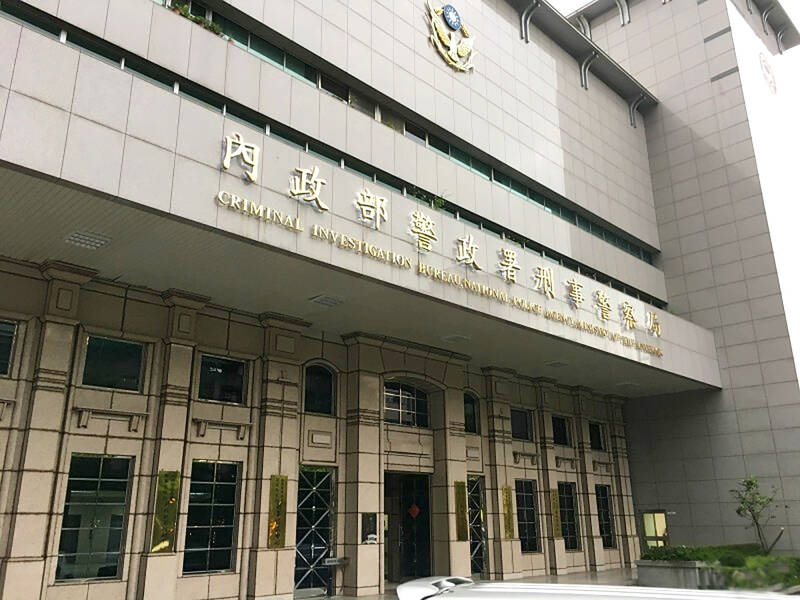
The Criminal Investigation Bureau building in Taipei is pictured in an undated photograph.
Photo courtesy of the bureau via CNA
Scammers have begun using Android phones, automated dialing applications and SIM cards registered under other people’s names to assemble new types of call-routing equipment, the bureau said, adding that they also ship the devices through logistics services to make it harder for police to trace their operations.
Scam groups have posted recruitment advertisements for purported work-from-home jobs, or used fraudulent loan schemes and impersonate police to persuade people to provide SIM cards, install unknown applications or host call-routing equipment in their homes.
Police received 10,627 fraud reports last month, involving financial losses of more than NT$3.96 billion (US$120 million), down 12 and 20 percent respectively from a year earlier, the 165 Anti-Fraud Dashboard showed.
However, reports of fraudulent notifications for abnormal online purchases or recurring payments reached 671 cases, involving losses of more than NT$116.77 million.
Both figures increased substantially from January, rising 275 and 470 percent respectively, the dashboard showed.
The bureau urged people who receive notifications about duplicate e-commerce orders or automatic deductions to verify them with official customer service channels rather than clicking unfamiliar links or providing financial verification codes.
Police and prosecutors would never ask people to hand over SIM cards or install telecommunications equipment at home to assist investigations, it added.
KioskNews shows a cleaned-up reading view extracted from the publisher’s page — the original always lives on their site, not ours.