An airport detention, four FIRs: Inside row over US citizen’s book on Basavanna
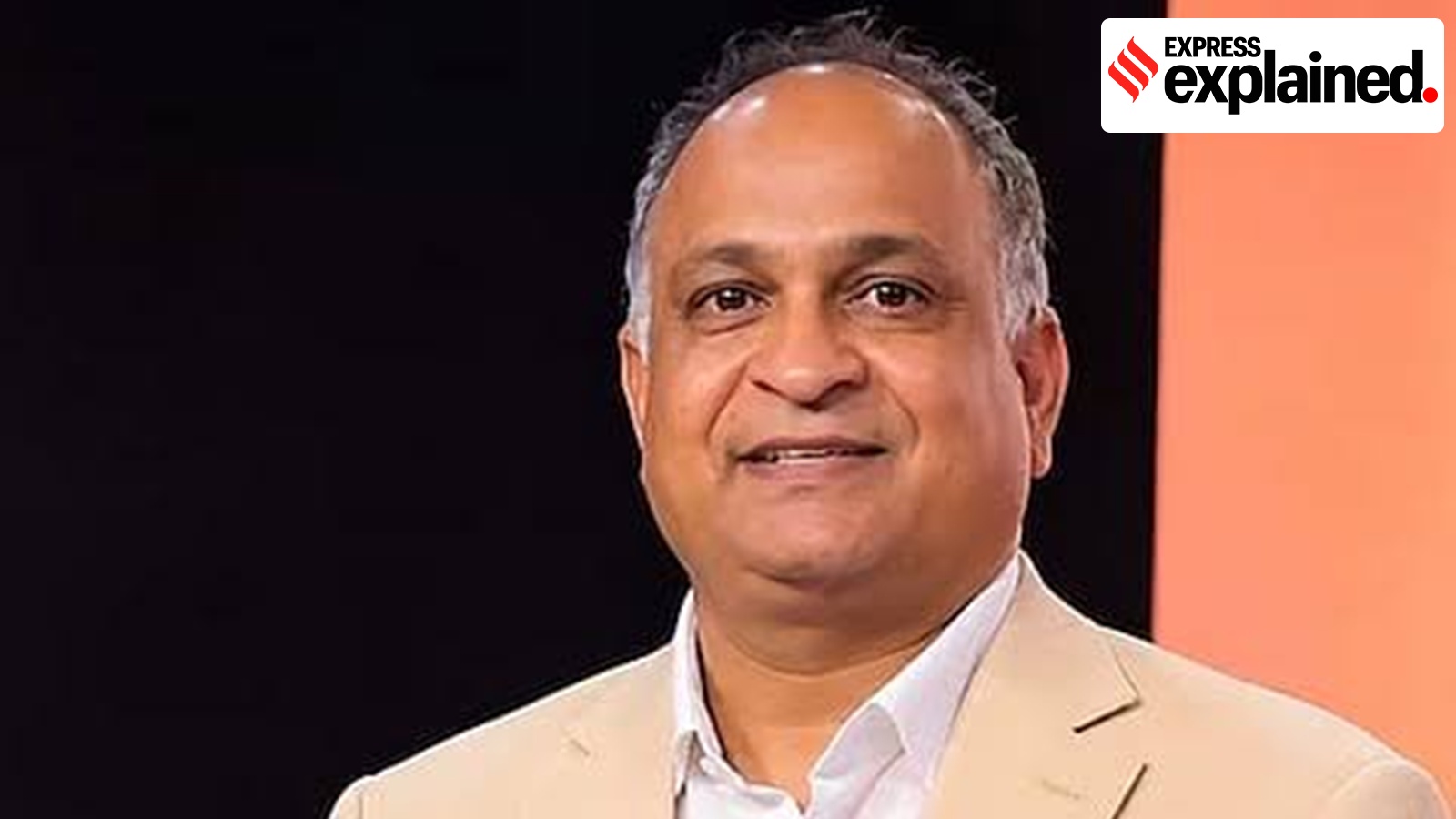
A book on 12th-century social reformer Basavanna has triggered one of Karnataka’s sharpest rows in recent years. Within days of the release of Basava Mantapa – Veerashaiva/Lingayat Satyadarshana, the state has registered four FIRs against its author, US-based writer Ravi Hanj. All print and digital copies of the book have been ordered forfeited.
Leaders from every party have condemned him, though some writers and activists have questioned whether banning the book is the answer.
On Wednesday (November 26), a local court granted bail to Hanj.
Ravi Hanj was born in Davanagere and lives in Chicago. A US citizen, Hanj has authored a few books, including Aganitha Alemaari, Americeinda Avalokisuttha, and Mahapayana.
He has been writing columns for Kannada dailies, especially Vishwavani, regularly for the past year.
When did the controversy start?
On November 19, the book was released in Bengaluru in an event attended by several dignitaries, including retired IPS officer Shankar Mahadev Bidari, the Karnataka president of the All India Veerashaiva Lingayat Mahasabha.
The book, a collection of Hanj’s columns, was published by Vishwavani Pusthaka, run by journalist and Vishwavani editor Vishweshwar Bhat. It allegedly contains derogatory references to the 12th century reformer and scholar Basavanna.
Story continues below this ad
After the release, Hanj, in an interview with Vishwavani TV YouTube channel, made certain remarks about Basavanna that further stirred a row. Videos clips went viral, prompting the Karnataka police to book Hanj, and Lingayat leaders from all political parties to demand stern action against him and Bhat.
Who is Basavanna?
Basavanna, also known as Basaveshwara, was a 12th-century Indian philosopher and social reformer from Karnataka. He is known for fighting against caste, gender discrimination, untouchability, and animal sacrifice. He spread his message through literature, which are called Vachanas in Kannada. He also established Anubhava Mantapa, in which people from all social backgrounds and genders could openly discuss issues of importance.
He is also viewed as the founder of the Lingayat faith, a major community in Karnataka making up about 16-18 per cent of the population. In 2024, the Congress government in Karnataka declared Basavanna as the cultural icon of Karnataka.
What are the allegations against Ravi Hanj?
Critics say the book portrays Basavanna as someone who acted contrary to his teachings.
In the interview with Vishwavani TV, Ravi Hanj defended his stand, stating he had done his research before publishing the book.
What happened after the book’s release?
Story continues below this ad
The government ordered forfeiture of the book under Section 98 of the Bharatiya Nagarik Suraksha Sanhita (BNSS), 2023, which also empowers the government to allow search warrants for the offending book’s seizure.
A book can be declared forfeited under these statutory grounds — endangering sovereignty, unity and integrity of India; promoting enmity between different groups; prejudicial to national integration; obscene books; obscene materials being sold to minors; or outraging religious feelings with deliberate and malicious acts.
After the controversy broke out, Hanj in a video apologised for his remarks. However, he was detained at the Kochi International Airport, from where he planned to leave India, and brought to Bengaluru. The police took his statement and released him, but a Red Corner Notice (RCN) is active against him, preventing him from leaving the country.
Vishweshwar Bhat left for Australia before the controversy erupted.
Hanj has reportedly written to the US embassy in India for help. He has also moved the Karnataka High Court seeking quashing of the FIRs, and denying intent to insult Basavanna or the Lingayat community.
Meanwhile, several protests have been held against Hanj and his book. Some of those who attended the launch, including Shankar Bidari, have distanced themselves from the book, saying they were unaware of its contents.
How have political leaders in Karnataka responded?
Story continues below this ad
Home minister Priyank Kharge said, “Ravi Hanj, through his book Basava Mantapa, stands accused of distorting the history of Guru Basavanna and deeply hurting the sentiments of Kannadigas… Since Ravi Hanj is a US citizen, we have also formally informed the US Embassy about the FIR registered against him…Foreign citizenship does not place anyone above Indian law.”
Retired IAS officer and prominent Lingayat leader Shivanand Jamadar alleged an “RSS hand” behind the publication of Basava Mantapa.
Congress minister MB Patil claimed the book was “an ideological conspiracy” aimed at maligning the Lingayat identity.
BJP state president BY Vijayendra too demanded action, adding, “The casteless society advocated by Basaveshwara can only be found in the RSS.”
Story continues below this ad
The Lingayat community, mainly found in north and central Karnataka, is a political heavyweight. The state has seen nine Lingayat chief ministers so far.
Freedom of speech vs censorship
While the action against Basava Mantapa has had widespread support, some writers and activists have opposed the “censorship”.
Vinay Sreenivasa, researcher and civil rights activist, condemned the forfeiture of the book. He, however, added that there had been a “sophisticated organised conspiracy against the Basava ideology for many centuries”, which needs to be exposed. “Government must investigate and expose the conspiracy rather than banning the book,” he added.
The author must present the grounds and source for his book, Sreenivasa also said.
Story continues below this ad
Hanj before the Karnataka HC has said his book is based on historical records and falls within the constitutional right to freedom of speech and expression.
KioskNews shows a cleaned-up reading view extracted from the publisher’s page — the original always lives on their site, not ours.