12 Months Later, The Harsh Truth About Netflix's Stranger Things Is Official

Cathal Gunning has been writing about movies, television, culture, and politics online and in print since 2017. He worked as a Senior Editor in Adbusters Media Foundation from 2018-2019 and wrote for WhatCulture in early 2020. He has been a Senior Features Writer for ScreenRant since 2020.
Although it has now officially been a year since Netflix’s Stranger Things began its final season, the harsh reality about the show’s legacy is only coming to light in November 2026. The question of which show made Netflix a household name is one that will be debated by TV fans and historians of the medium for eons to come. As far back as 2013 and 2014, acclaimed titles like House of Cards, Orange is the New Black, and BoJack Horseman saw the streaming service enter the public consciousness.
However, while one viewer might be certain that mainstream viewers hadn’t heard of Netflix until after the debut of the hit gangster series Peaky Blinders, another might insist that it was the much later global phenomenon Squid Game that truly cemented the streaming service’s singular place in the culture. Between these two extremes come the viewers who argue that, even if Netflix was already well known as an entity by 2015, 2016’s Stranger Things cemented its status as a phenomenon that was impossible to ignore.
A unique blend of ‘80s nostalgia, dark sci-fi horror, small town mystery, and moody coming-of-age character drama, Stranger Things was admirably different. Despite the preponderance of “Small town with a strange secret” shows like Wayward Pines and Once Upon A Time, Stranger Things was truly original, even though the show ironically borrowed heavily from ‘80s classics like Firestarter, E. T the Extra-terrestrial, Stand By Me, Poltergeist, and The Goonies. Now, a decade later, it is clearer than ever just how original the Netflix series was, for better or worse.
No Show Has Managed To Replace Stranger Things

By the time Stranger Things season 2 arrived in 2017, it was already clear that the show had progressed from a sleeper hit to a full-blown pop culture phenomenon, and this was reflected in a starrier supporting cast that included roles for Sean Astin and Paul Reiser. However, it wasn’t until 2019’s Stranger Things season 3 that the series began to embrace its massive mainstream popularity, drastically increasing the scope of its story while also altering the show’s tone to be lighter, funnier, sunnier, and more akin to an ‘80s blockbuster movie.
To be clear, a show changing its tone is not always a bad thing. In cases like Seth MacFarlane’s space opera The Orville, changes like this can sometimes save a show that is on the brink of failure by introducing a new style to a story that isn’t working in its current guise. However, while Stranger Things season 3’s reviews were largely positive at the time, the dramatically lighter, more cartoony tone of the outing had knock-on consequences for the seasons that followed.
Where season 1 ended with the apparent death of Eleven, sacrificing herself to save her newfound friends, season 3 ended with Dustin helping to save the day by singing The Neverending Story theme song with his long-distance girlfriend. It was a tonal shift few shows could pull off, and one that made it tough to say exactly what a potential Stranger Things replacement should feel like.
Needless to say, this has not stopped both Netflix and other streaming services from trying to recapture the show’s appeal with a string of projects dubbed the “Next Stranger Things.” Of these efforts, Netflix’s The Addams Family reboot Wednesday is too fundamentally different, It: Welcome to Derry and The Institute are too dark and gruesome, and Hulu’s Goosebumps and the official animated Stranger Things followup Tales from ’85 are too family-friendly.
Stranger Things Season 5 Highlighted Why The Show Is Irreplaceable
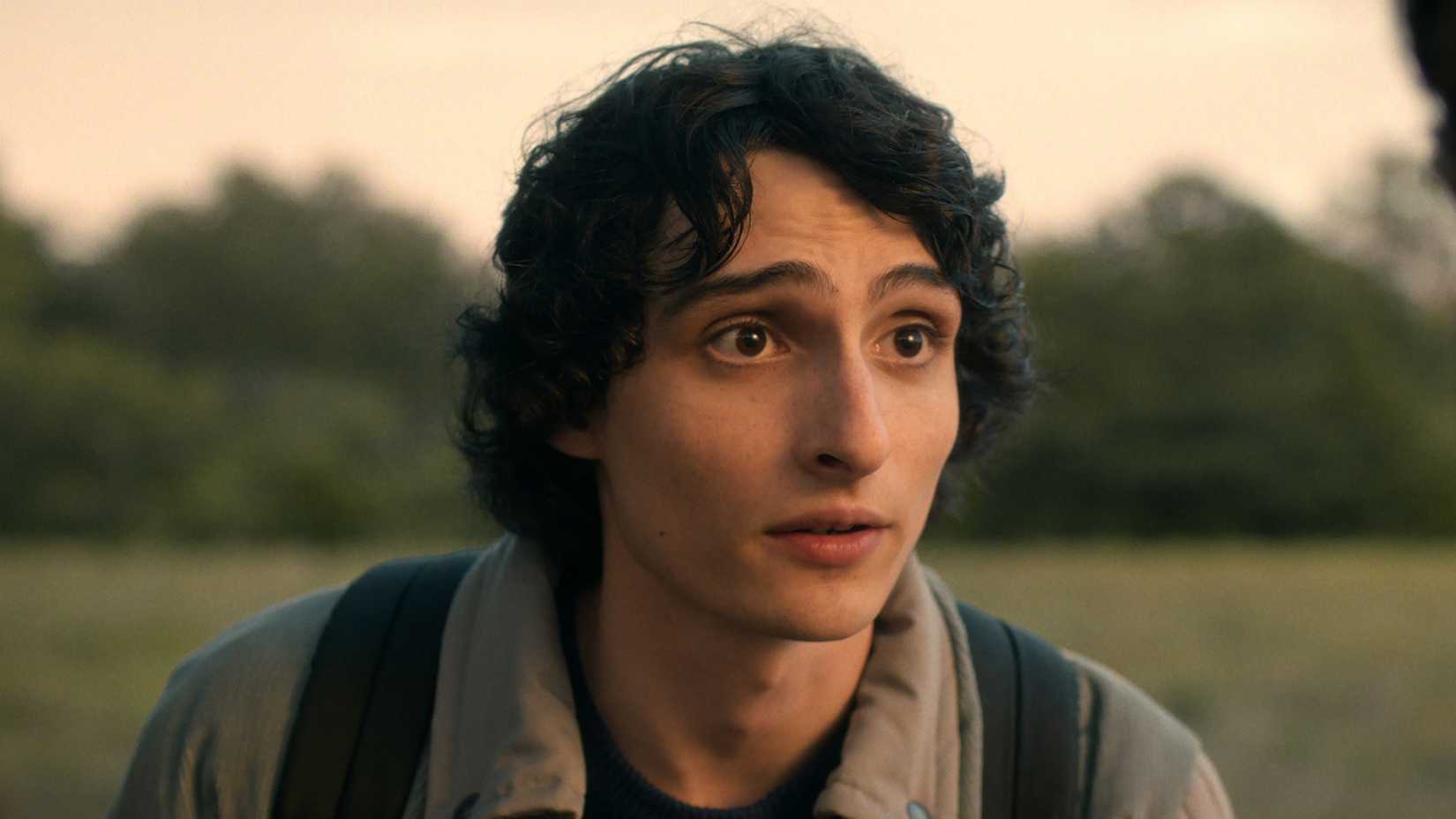
Prime Video’s suburban YA mystery Shelter was too realistic and grounded. The Midnight Club, I'm Not Okay With This, and Paper Girls were all canceled too soon, and One Piece, although arguably Netflix’s biggest success since Stranger Things, is simply a completely different type of show in terms of plot, tone, story, and style. As such, in spite of all the digital ink spilled in search of this imaginary series, there is no new Stranger Things to replace the original show.
This is in part because even Stranger Things itself didn’t know what it was, veering between different tones and styles with wild abandon in its later years. 2022’s season 4 was gritty and tragic, returning to the downbeat style of season 1, while 2025’s season 5 part 1 was still fairly sad at times, but markedly lighter than its predecessor. Season 5 part 2 then took on the tone of an upbeat summer blockbuster, with almost every single character surviving its ending.
The finale of Stranger Things was so unexpectedly upbeat that the viral ConformityGate conspiracy theory even suggested the show’s ending was a mirage created by the villainous Vecna, since it seemed too tidy to fit the established world of the series. Much like Wednesday season 3 is set to be a completely different show since its lengthy production process has forced the main characters to age out of high school, Stranger Things season 5’s multiple-year production ended with a show that felt profoundly disconnected from its own history in its finale.
Stranger Things Is A True Oddity In TV And Streaming

For many viewers, Stranger Things abandoning the darkness of season 1 in favor of season 3's sunny, sillier aesthetic was a welcome change. However, this same change meant that viewers who wanted the “Next Stranger Things” could reasonably be referring to season 3, where a blob monster roams around Hawkins Hospital eating people alive, or season 1, where a despondent Sheriff Hopper almost drinks himself to death while tortured by memories of his daughter’s untimely death from cancer.
These were two fundamentally different shows and, while It: Welcome to Derry sometimes felt like the latter and shows like Goosebumps often recaptured the knockabout fun of the former, no one series could balance the two. This is likely because Stranger Things itself couldn’t balance both extremes in the end, as evidenced by the tepid reception of 2025’s extremely expensive, but ultimately vapid and disappointing season 5 part 2.
As shows like Prime Video’s Off Campus and Disney’s Percy Jackson & The Olympians move away from multiple-year gaps between seasons, it is tough not to assume that the mixed reception of Stranger Things season 5 had to play a role in this change. However, if this is the case, then it will be the show’s biggest impact on TV thanks to the lack of true Stranger Things imitators.
After the legendary small-town murder mystery Twin Peaks premiered, viewers soon got both spooky procedurals like The X-Files, Buffy the Vampire Slayer, and Supernatural, but also Mystery Box shows like Lost and campy small-town dramas like Pretty Little Liars, Desperate Housewives, and Riverdale. Similarly, when HBO’s groundbreaking fantasy Game of Thrones proved a historic success, audiences soon received The Witcher, The Lord of the Rings prequel The Rings of Power, The Wheel of Time, His Dark Materials, Carnival Row, and many other ambitious fantasy shows.
In contrast, Stranger Things season 5 is literally the biggest TV season ever made, and its obvious successor is nothing else on TV or streaming. For better or worse, the enduring legacy of Netflix’s Stranger Things is the show’s status as a true original in a cultural landscape filled with repetition and replication.
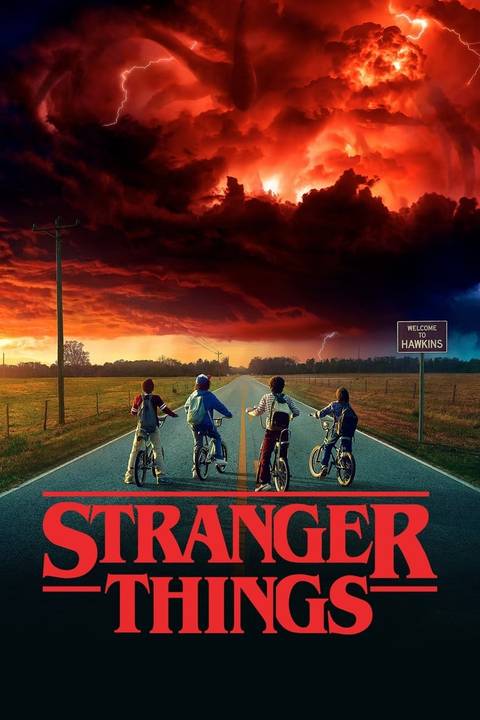
- Release Date
- 2016 - 2025-00-00
- Network
- Netflix
- Showrunner
- Matt Duffer, Ross Duffer
- Directors
- Matt Duffer, Ross Duffer, Andrew Stanton, Frank Darabont, Nimród Antal, Uta Briesewitz
- Writers
- Kate Trefry, Jessie Nickson-Lopez, Jessica Mecklenburg, Alison Tatlock
KioskNews shows a cleaned-up reading view extracted from the publisher’s page — the original always lives on their site, not ours.