The essentials you should put in your first aid kit now for emergencies
UK households have been urged to keep small supplies of cash, bottled water and tinned food at home in case of emergency or war.
But a GP has said households should also be focusing on what medication they have in their first aid kit.
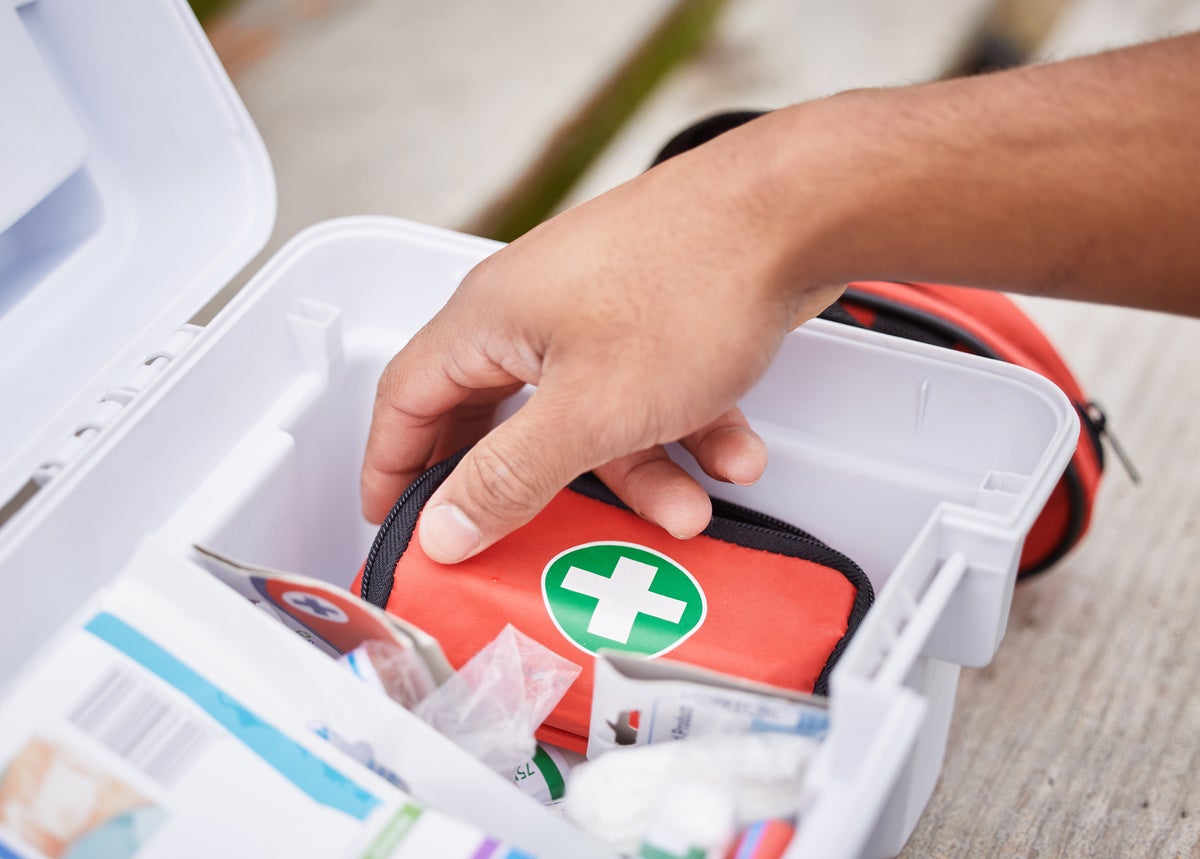
The government advises keeping a first aid kit packed with items including waterproof plasters, bandages, a thermometer, antiseptic, eyewash solution, sterile dressings and gloves, medical tape for dressings, and tweezers.
Dr Umer Malik, a private GP in Wimbledon, has shared his advice on how to be prepared for an emergency – and it’s not just about what medication you have stocked.
“Emergency preparation isn't about turning your house into a bunker. It's about removing the avoidable problems that become much harder to solve when normal services aren't working,” the NHS doctor said.
Don't leave repeat prescriptions to the last minute
Dr Malik stresses the importance of staying organised rather than stockpiling medication.
He said: “The answer isn't panic buying or building a stockpile; it's reordering when you have a week or ten days left rather than two. That one habit is worth more than anything you could put in a box.”
Keep note of your medication dose
Almost everything is now digital, repeat prescriptions are ordered through an app and the record of what you take is kept electronically with a GP practice or pharmacy.
Plus, the NHS 111's emergency prescription service runs on electronic prescribing, Dr Malik explains.
But if there is a cyberattack or a prolonged power cut, these records may not be accessible.
That’s why Dr Malik says the most useful thing to keep in a medication kit is a piece of paper.
He suggests keeping the name, strength, dose and timing of everything written down.
“In an emergency, knowing exactly what someone takes can be almost as important as having the medicine itself,” he said.
Dr Malik added that if you do run out of a prescription medication and can’t reach a GP, a pharmacist may be able to provide you with an emergency supply.
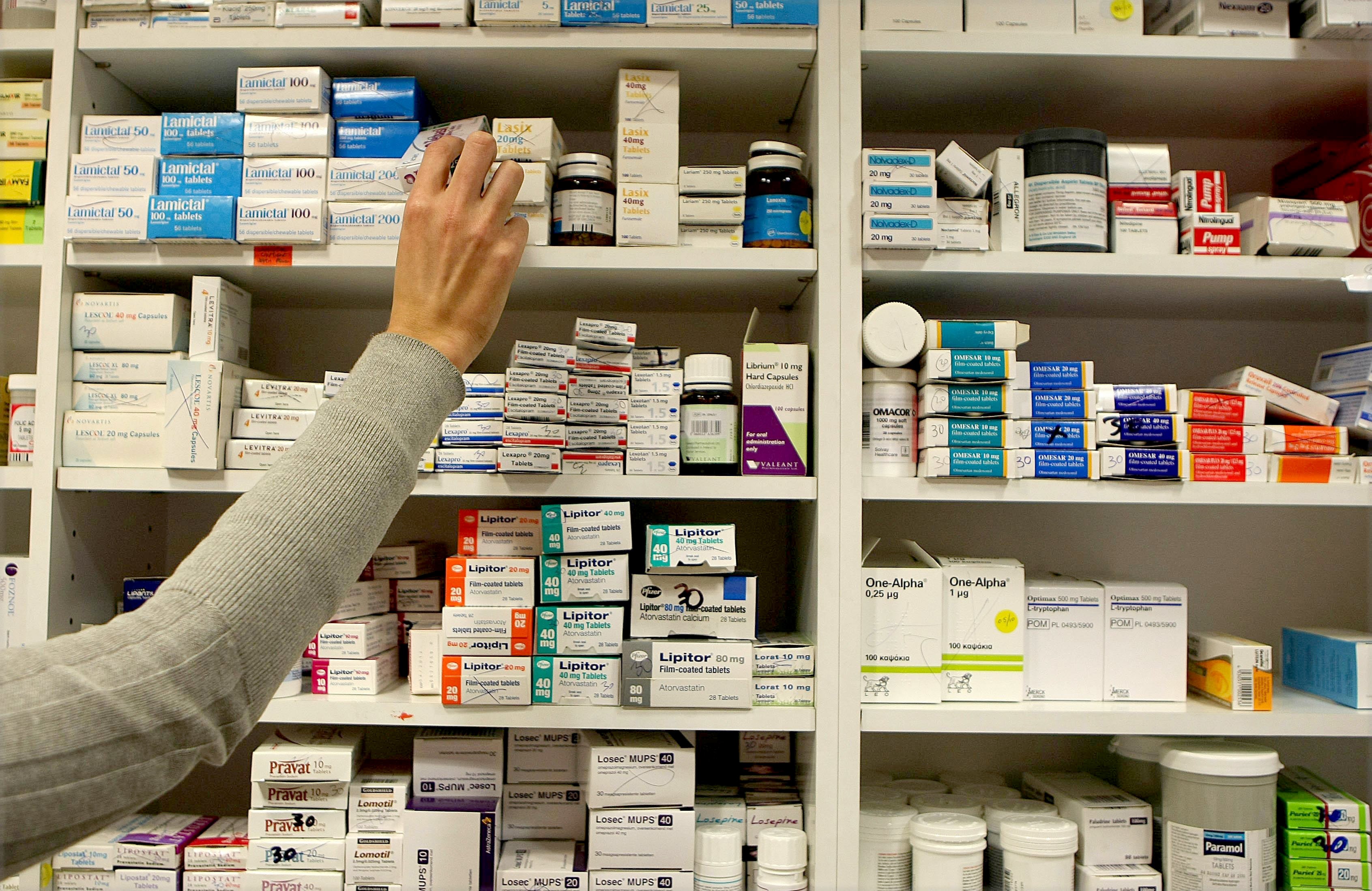
But he warns “It's a safety net, not a plan” and that some medicines, including controlled drugs, insulin and inhalers, have specific restrictions.
Store medication correctly
In addition to keeping a note of a prescription, patients should also make sure they know how to store the medication.
If there is a power cut, this could be a problem for any medication that is kept in the fridge, for example.
“Storage limits vary by product, so the preparation is to read your own leaflet now rather than work it out in the dark. The same goes for anyone relying on powered medical equipment,” Dr Malik said.
What should you keep in a first aid kit?
In addition to plasters, bandages, paracetamol and antiseptic, Dr Mailk suggests keeping oral rehydration sachets in a first aid kit.
These can be bought over-the-counter from a pharmacy, but could prevent illnesses spiralling out of control.
“Vomiting and diarrhoea are usually minor, but dehydration is what turns that from unpleasant into dangerous in young children and older adults,” Dr Malik said.
KioskNews shows a cleaned-up reading view extracted from the publisher’s page — the original always lives on their site, not ours.