Martin Lewis hits out at plans to introduce new energy bills ‘penalty’
.jpg?width=1200&auto=webp&trim=0%2C56%2C0%2C55)
Martin Lewis has criticised proposals from Ofgem that could make tariffs for switchers more expensive.
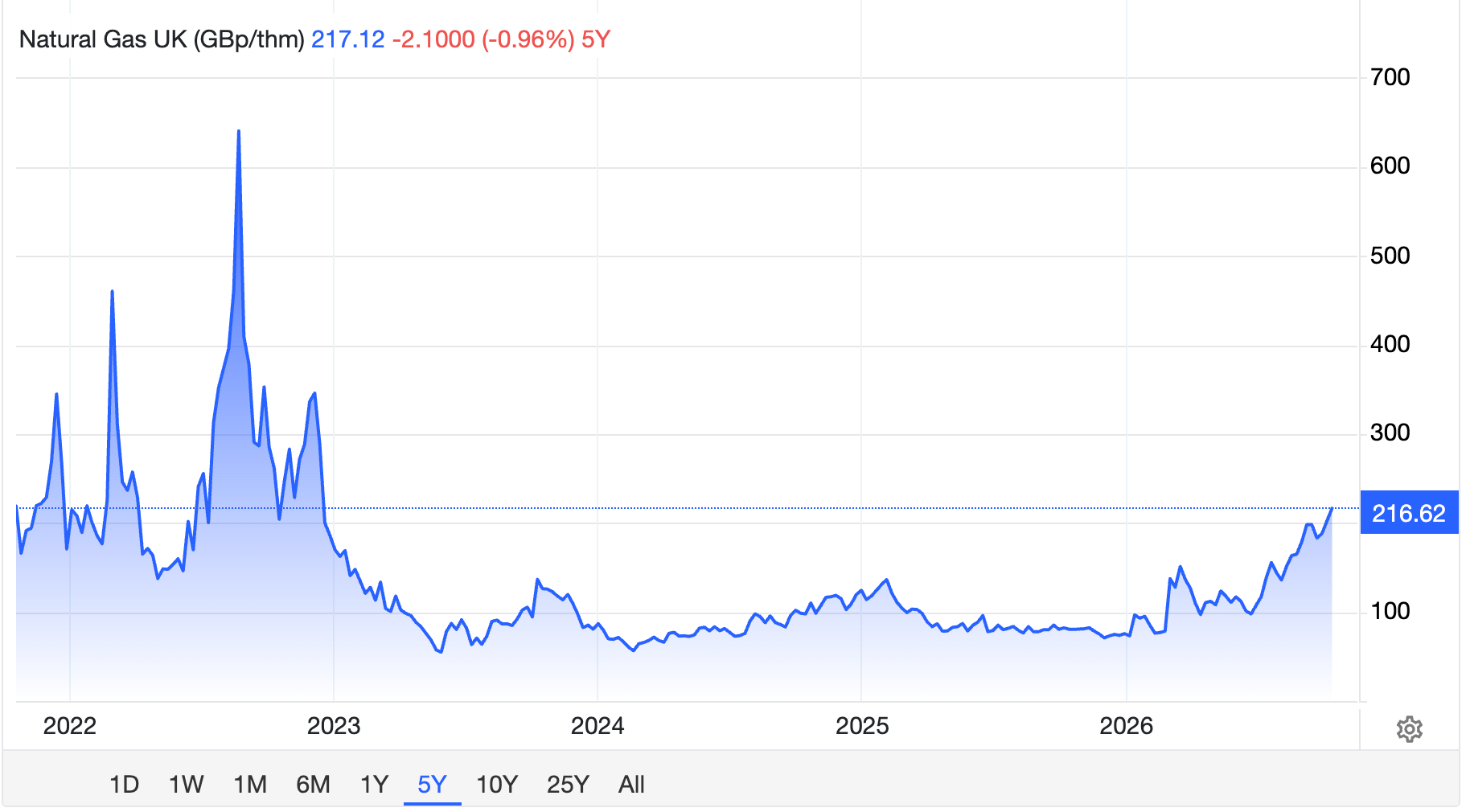
The energy watchdog launched a consultation on Monday over plans that could see energy firms forced to pay consumers’ old suppliers when they switch away, in a move designed to protect providers from financial losses amid soaring energy prices.
The move could come in as soon as November, as Ofgem has argued suppliers could be left out of pocket if wholesale energy rates fall sharply and people leave in large numbers.
But the MoneySavingExpert founder has said it will "dampen competition" and could push the prices onto switchers.
In a blog post, Mr Lewis said: “In a nutshell, it means if wholesale energy prices drop sharply, the cheap fixes and switcher deals offered will be a lot more expensive, in order to protect energy firms' profits.”
He described the plan to introduce a “market stabilisation charge” as a form of “switching penalty” while the supplier market remains stable.
Ofgem announced at the end of August that it would be raising the energy price cap by four per cent in October to reflect the soaring price of gas caused by conflict in the Middle East.
Neil Kenward, interim director general of markets, said the consultation came as the market was expected to grow more volatile this winter.

Invest at least £100 in Stocks or ETFs of your choice. Get fractional shares worth £50!
Terms and conditions apply.
Go to websiteADVERTISEMENT
Invest at least £100 in Stocks or ETFs of your choice. Get fractional shares worth £50!
Terms and conditions apply.
Go to websiteADVERTISEMENT
“We’re preparing for what is likely to be a difficult winter for many households,” he said. “While the energy market is stronger than it was during the energy crisis, volatility remains, and the market stabilisation charge helps to protect consumers from that volatility.”
He added: “In volatile market conditions, it’s important that suppliers can continue to secure the energy their customers need without taking unsustainable risks.
“By acting now, we can help maintain a stable and resilient energy market and protect consumers from the costs and disruption that can arise when markets become unstable.”

The measure was previously put in place in April 2022 through to March 2024 following Russia’s invasion of Ukraine, which sent energy markets reeling.
Ofgem said reactivating it would not automatically create charges or push up customer bills, stressing payments between suppliers would only be made if wholesale prices fell sharply enough.
Mr Lewis said despite the rising price of liquid natural gas, there was no risk of suppliers going bust – and some had even appeared to make a profit.
“I doubt we are at the domino risk of suppliers going bust in the way they did in the early twenties,” he said. “A good few energy firms have made large profits since then, and protecting them over winter by effectively dampening competition because it's 'not their fault' feels raw.
“After all, we don't take their profits off them when they make them 'through no fault'. Until now, my hope had been that at some point the Middle East situation would de-escalate, wholesale rates would drop.
“While it would take months for that to feed into the price cap, other cheaper tariffs would be available to switch to. That would still happen, but the savings could be nowhere near as good as otherwise.”
A spokesperson for the Department for Energy Security and Net Zero said: "We are working with the regulator to build a stable energy market which puts consumers first."
KioskNews shows a cleaned-up reading view extracted from the publisher’s page — the original always lives on their site, not ours.