Texas ranch family’s 6,100-acre land may join Big Bend National Park
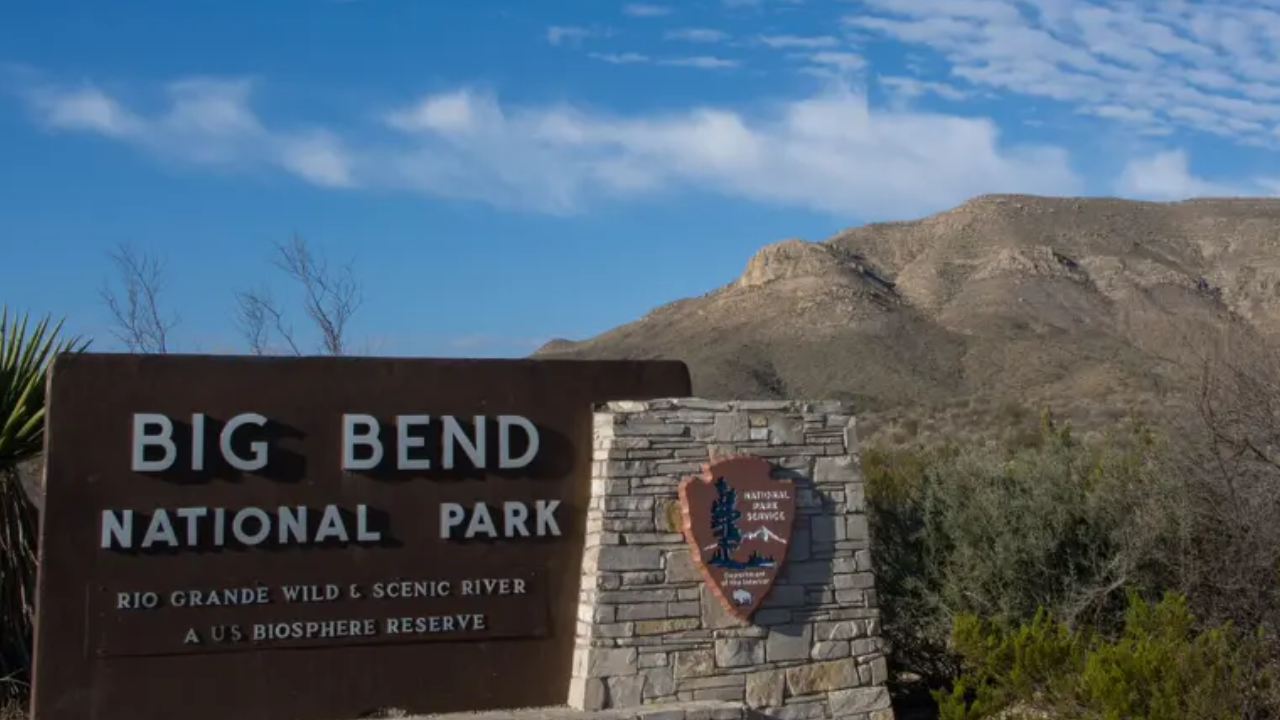
A long-standing conservation effort in West Texas has moved a step closer to reality, with a House committee advancing legislation that could add approximately 6,100 acres to Big Bend National Park.
According to reports by The Midland Reporter-Telegram, KOSA and the US House Committee on Natural Resources, the proposed expansion would bring land along Terlingua Creek into the national park, following an agreement involving a multigenerational ranching family and the Big Bend Conservancy. The nonprofit organisation has acquired the property and intends to donate it to the federal government without charging taxpayers for the land.
The proposal is particularly significant for the Fulcher family, whose generations-long connection to West Texas has shaped their wish to see the property protected as part of the national park. If the legislation eventually becomes law, the land could receive permanent protection under the National Park Service.
How the proposed expansion came about
The property lies along Terlingua Creek, just west of Big Bend National Park in Brewster County, Texas.
The Fulcher family, which has owned land in the region for generations, wanted the property to become part of the protected landscape rather than remain under private ownership. The Big Bend Conservancy, the national park’s nonprofit partner, has been working with the family and other willing landowners for nearly a decade to make the proposal possible.
However, the land was not directly donated by the family. According to Loren Riemer, director of the Big Bend Conservancy, the organisation purchased the property from the Fulchers and other landowners within the proposed expansion area.
It now plans to donate the acquired land to the national park once the necessary legislation is approved. The proposed acquisition covers approximately 6,100 acres, including existing residential structures that could potentially be used by park employees and law enforcement personnel during patrols.
Why Congress needs to approve the proposal
Although the land has already been acquired by the conservancy, it cannot automatically become part of Big Bend National Park.
Only Congress has the authority to change the boundaries of a national park, making federal legislation necessary before the National Park Service can formally accept the property.The Big Bend Boundary Adjustment Act, also known as H.R. 2323, was introduced in March 2025. Representative August Pfluger later took over its sponsorship following discussions with local communities and stakeholders. On November 18, 2026, the House Committee on Natural Resources advanced the legislation, moving it closer to consideration by the full House.An important provision of the bill is that any land included in the expansion must be acquired through voluntary donation or exchange. It specifically prohibits the federal government from using eminent domain or condemnation to take private property. This means that the proposed expansion depends on the willingness of landowners to participate rather than compulsory acquisition.
What the expansion could mean for Big Bend
Established in 1935, Big Bend National Park is one of the largest protected natural areas in the United States.
Located along the Rio Grande in southwestern Texas, the park is known for its dramatic desert landscapes, mountain ranges, canyons and diverse wildlife. The proposed addition would expand protection towards the Terlingua Creek area, helping preserve another section of the region’s distinctive landscape.
Conservation groups have welcomed the development, arguing that protecting surrounding land is important for maintaining the area’s natural resources and preventing inappropriate development.Keep Big Bend Wild, an organisation advocating for the park’s protection, also welcomed the committee’s decision, describing it as an encouraging development for long-term conservation efforts. The Department of the Interior, however, has raised concerns about expanding the park’s boundaries. In its assessment of H.R. 2323, the department said the National Park Service was already dealing with substantial maintenance requirements and resource constraints.
It expressed reservations about adding land that would require additional management and operational support.
The legislation still has a way to go
Despite the committee’s approval, the proposed expansion is not yet final. The legislation must still pass the full House and complete the remaining legislative process before the boundary can officially be changed. The Big Bend Conservancy has said it is prepared to donate the acquired property once the legal requirements are fulfilled. For the Fulcher family, the proposal represents an opportunity to turn generations of land ownership into a lasting conservation legacy.If approved, the expansion would add thousands of acres to one of Texas’ most recognisable natural landmarks, ensuring that the land can be preserved for future generations.
KioskNews shows a cleaned-up reading view extracted from the publisher’s page — the original always lives on their site, not ours.