Behind closed doors, a fatal beating exposes Malaysia’s parallel boarding school rules
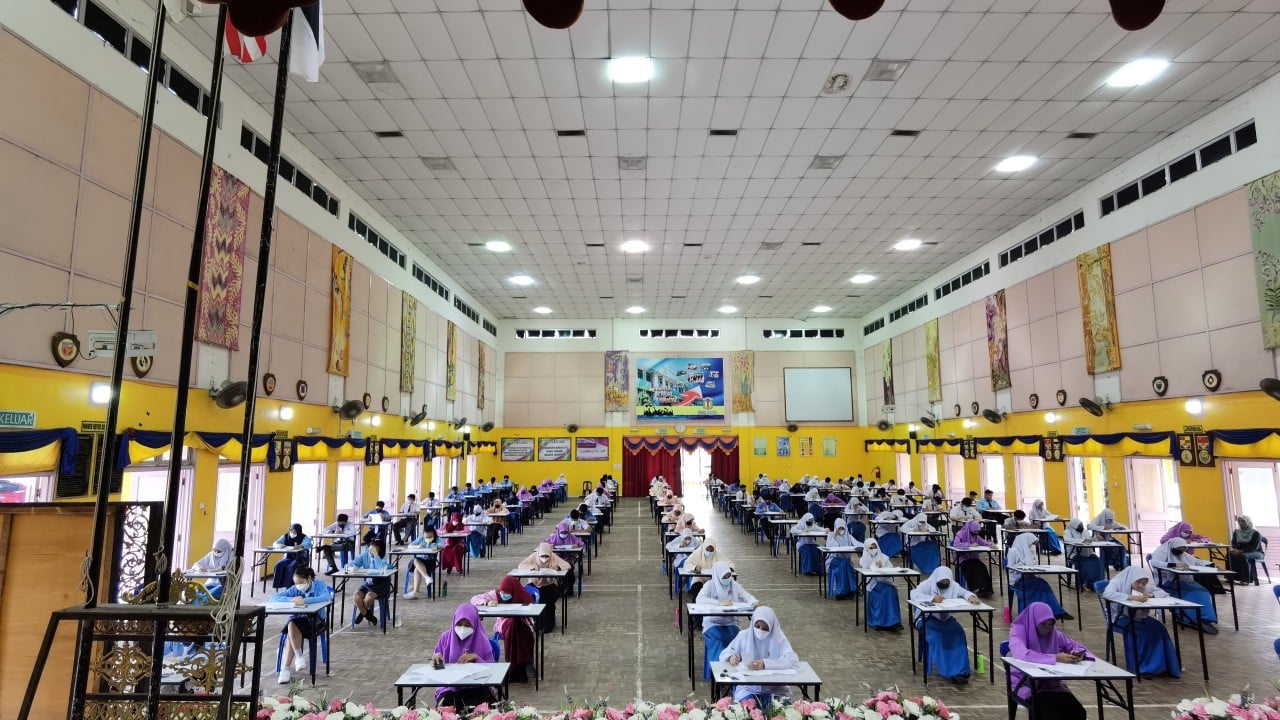
The death of a 14-year-old student at a Malaysian boarding school has renewed scrutiny over student safety, raising questions over whether reforms introduced after the high-profile death of Zara Qairina Mahathir last year have changed what happens behind dormitory doors.
Police in Kuala Pilah, Negeri Sembilan, have detained two 16-year-old students as they investigate the death of Muhammad Idlan Fareeq Shahril.
They said Idlan was caught vaping by a hostel warden on September 23. Two days later, a 16-year-old student instructed a peer to bring Idlan to his dormitory, where he was allegedly struck on the soles of his feet with a rubber hosepipe, forced to remove his shirt and hit on the chest and back until he collapsed.
Idlan was later taken to Hospital Ampuan Najihah, where he was pronounced dead.
As of Tuesday, police had detained the two students, recorded statements from 68 witnesses and were investigating claims of bullying involving several students, including that one of the suspects had previously bullied them.
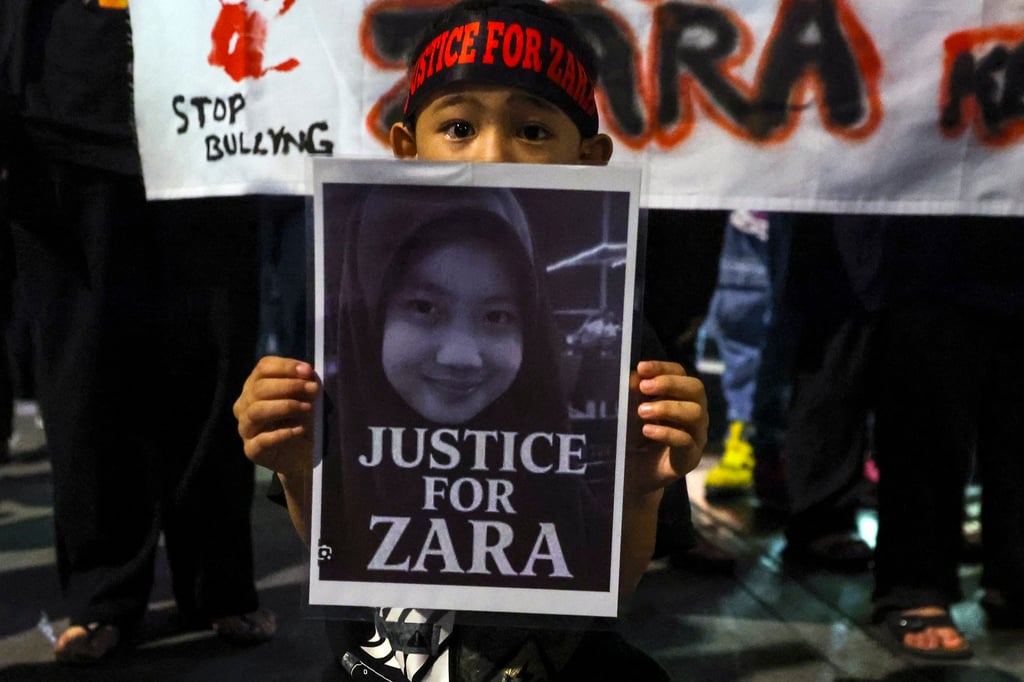
The case has revived painful memories of the death of 13-year-old Zara Qairina Mahathir, who was pronounced dead on July 17 last year, a day after being found unconscious outside her dormitory at an Islamic boarding school in Sabah.
Her death triggered nationwide protests and intense scrutiny of boarding school safety after police initially closed the case without a postmortem. The Attorney General later ordered her body exhumed for further examination and launched a fresh investigation. Five teenagers were subsequently charged with making threatening or insulting communications towards Zara, while an inquest into her death is ongoing.
Child rights advocates are now calling for deeper scrutiny into informal senior-junior hierarchies, adult supervision and whether students are still being allowed to exercise disciplinary authority over their peers.
Noor Azimah Abdul Rahim, chairman of the Parent Action Group for Education Malaysia, told This Week in Asia that the latest case raised questions over whether recent reforms had actually reached boarding school hostels, arguing that safety could not be measured by circulars issued, audits conducted or complaints logged.
“It must be measured by whether a child is actually safe when no parent is there,” Noor Azimah said.
She said deterrence on paper and prevention on the ground were two separate things, particularly in boarding schools where power hierarchies can develop and younger students may be reluctant to report older students who control their daily environment.
“Students cannot be allowed to assume that being older or more senior gives them authority to punish younger students,” Noor Azimah said, adding that responsibility must rest with the school and the Education Ministry.
“A hostel is not simply accommodation. Once parents entrust their children to a boarding school, the institution assumes a significant duty of care, including during evenings and prep periods,” she said.
While students could serve as prefects or peer mentors, Noor Azimah said authorised adults must retain disciplinary authority. Asked whether students should ever be allowed to discipline peers, she said: “They should not be. Full stop.”
James Nayagam, a child rights advocate and consultant with the Suriana Welfare Society, told This Week in Asia that the Kuala Pilah case highlights alarming gaps in boarding school supervision, though he warned against assuming the problem was universal.
“The Kuala Pilah case should trigger an audit of whether informal senior-junior punishment exists elsewhere, not an assumption that it does,” Nayagam said.
He said informal punishments by senior students could create a parallel disciplinary system within hostels where student leaders determined guilt and administered punishment.
Nayagam said that while Malaysia already had a substantial framework to protect students – including warden guidelines, safety audits and reporting channels – implementation on the ground remained the unresolved issue.
“Can the ministry demonstrate, school-by-school, that the standard operating procedure is being followed?” he asked, calling for scrutiny of night-duty rosters, dormitory inspections and complaint response times, as well as an explicit ban on student-administered punishment.
“Students may report misconduct, but they must not become a parallel disciplinary authority,” Nayagam added.
On Saturday, Education Minister Fadhlina Sidek said in a statement that the ministry and school would cooperate fully with the police investigation. She said that she had ordered the Inspectorate of Schools to immediately audit school safety and procedural compliance to identify any breaches.
“At the ministry level, school safety and compliance with established procedures will be thoroughly reviewed,” Fadhlina said. “No party will be protected if misconduct or breaches of the law are found to have occurred. Appropriate action will be taken based on the findings.”
KioskNews shows a cleaned-up reading view extracted from the publisher’s page — the original always lives on their site, not ours.