Congo begins Ebola vaccine trial despite embedded outbreak
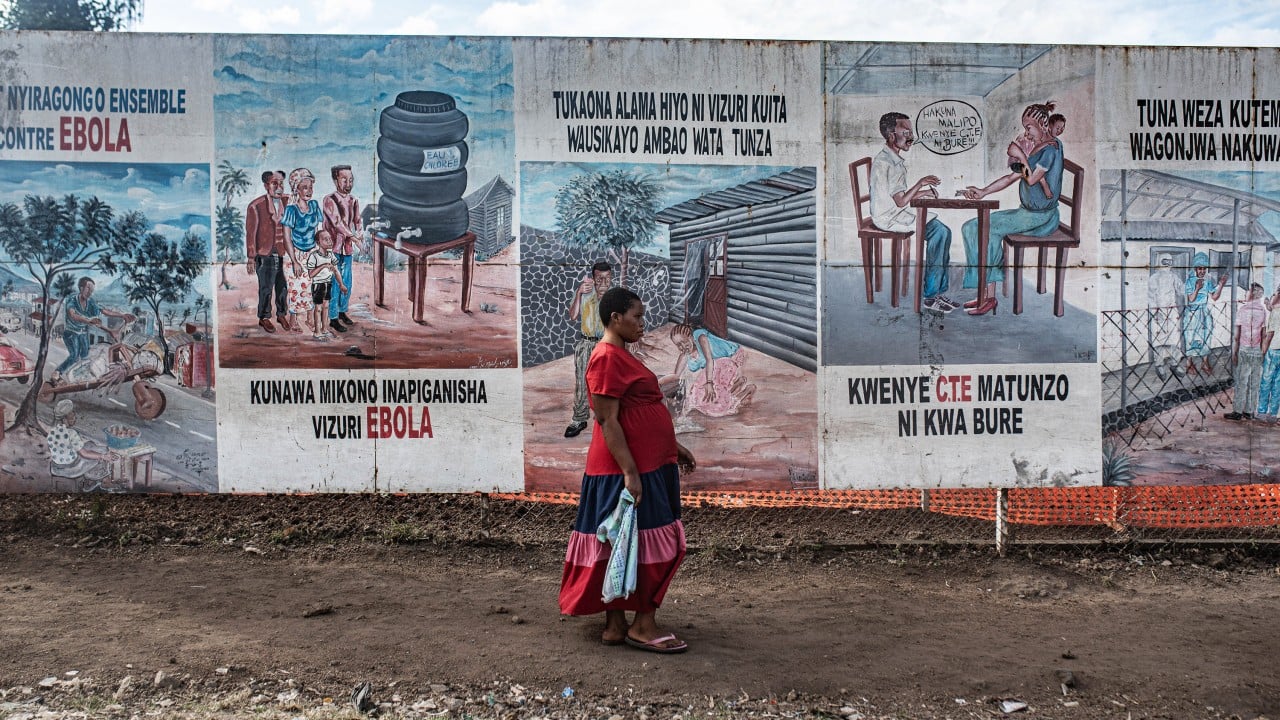
A pivotal trial of vaccines against the strain of Ebola that is driving a deadly outbreak across parts of Africa has begun in the Democratic Republic of Congo, where the epidemic originated and the vast majority of cases and deaths have occurred.
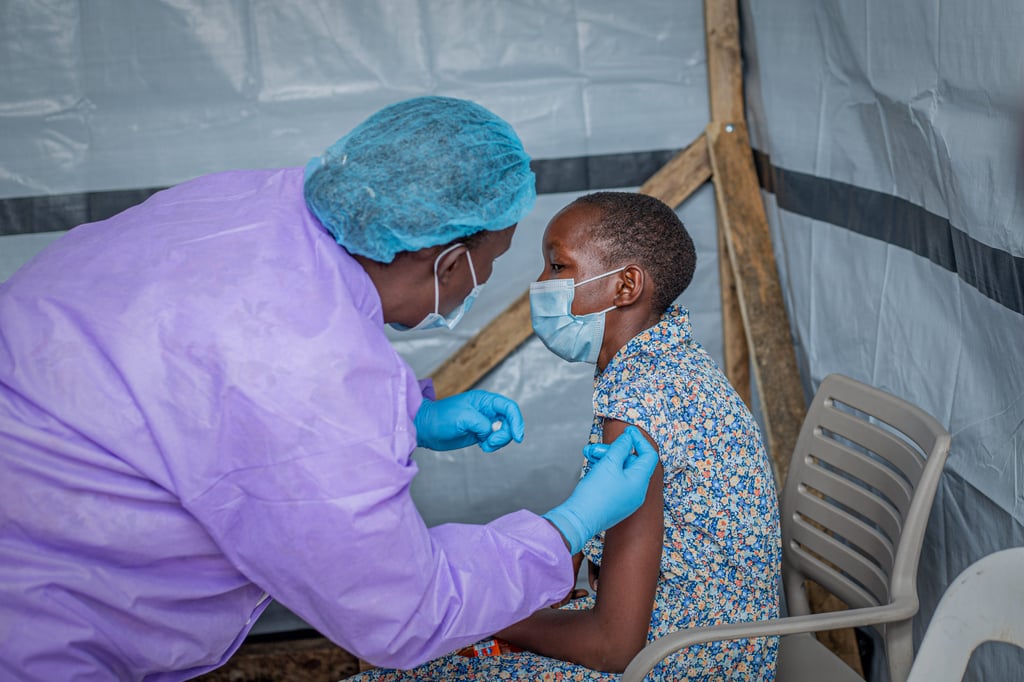
The first participant was vaccinated on Friday in Bunia, eastern Congo, with Merck & Co.’s Ervebo shot, which has been approved to guard against a different Ebola species. An experimental alternative developed specifically against Bundibugyo by Moderna Inc. and another by the University of Oxford and Serum Institute of India could also be tested in the study within weeks.
“I’m pretty confident that we have the window because the outbreak is not being brought under control,” Coalition for Epidemic Preparedness Innovations Chief Executive Officer Richard Hatchett said in an interview.
Congo recorded 9,704 confirmed cases and 4,687 deaths as of October 20, according to the World Health Organization, and is the largest Ebola outbreak ever recorded in the country, irrespective of virus species. Infections linked to the outbreak have also been detected beyond its borders.
Hatchett said the outbreak has become deeply embedded across a wide area, making it unlikely that traditional control measures will suppress it before researchers can determine whether the vaccines work. Conducting the trial will still be difficult, with armed groups and decades of instability complicating efforts to enrol and follow participants. The WHO said only about 80 per cent of more than 30,000 contacts under follow-up in Congo were reached in the latest 24-hour period, below its 95 per cent target.
Ervebo was developed to protect against Zaire Ebola, but animal studies suggest it may reduce Bundibugyo infections and significantly lower mortality, Hatchett said. Researchers will need at least several months to determine its efficacy, depending largely on how quickly the trial can enrol enough people exposed to confirmed cases.
If successful, the purpose-built vaccines could be produced at scale. Serum manufactured more than 600,000 dose equivalents of the Oxford vaccine’s drug substance within nine days of receiving the material needed to begin production, Hatchett said.
“We could quickly move to having millions of doses of that vaccine,” he said. That could allow health authorities to shift from vaccinating contacts around known cases to broader campaigns in heavily affected areas.
Bundibugyo virus was first identified almost two decades ago, but limited resources were concentrated on more frequently occurring Ebola species, according to Hatchett.
In a better-prepared world, vaccines against known threats would be developed in advance and held ready for outbreaks, he said. “We’re not there yet.”
KioskNews shows a cleaned-up reading view extracted from the publisher’s page — the original always lives on their site, not ours.