Argentina bonds drop as market flags intervention in peso debt
Argentine financial markets sank Thursday, with dollar bonds leading emerging-market losses and overnight repo rates surging amid growing worries about the government’s finances.
The sel-loff, which has been building for days, gained fresh steam as analysts pointed to signs the government was buying peso bonds to push down borrowing costs.
The one-day peso repo rate leaped to an annualised 190 percent in late trading from 26 percent a day earlier, the highest level since the country’s October 2025 midterm elections.
“What is clear is that the government prioritises exchange-rate stability over interest-rate stability,” said Belisario Álvarez de Toledo, a strategist at local brokerage Grit Capital. “This raises a warning for the future because it shows that the government is willing to tolerate significant interest-rate volatility.”
The move in repos came one day after a jump in demand for local bonds led to speculation the government was intervening in the market ahead of key Treasury auctions. The notes due in 2029 and 2030 rallied more than four percent Wednesday afternoon, reversing declines earlier in the day. Trading volume climbed to more than three trillion pesos, roughly three times the usual level. The bonds resumed their decline Thursday.
Brokerage PPI, consultancy 1816 and market strategist Martín de la Fuente at local brokerage Buenos Aires Valores said the size and concentration of the trades suggested an official buyer may have been involved. De la Fuente estimated the purchases totalled around two trillion pesos (US$1.3 billion) on Wednesday.
Longer-term peso bonds had fallen sharply in the first days of November as jitters about next year’s presidential elections and upcoming sovereign debt maturities dimmed appetite for the country’s assets. Dollar notes have also tumbled, with some maturities trading at the lowest since October 2025.
PPI said in a research note the goal of the intervention would be to lower yields ahead of the Treasury’s final debt auctions of the year, which are scheduled for next week. The next auction faces about 10.5 trillion pesos in maturities, followed by another 66 trillion pesos in the subsequent two auctions, according to PPI.
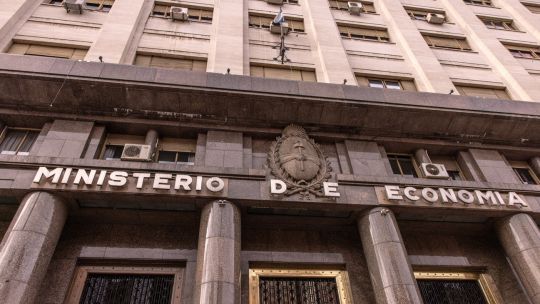
The Economy Ministry and the Central Bank both declined to comment on the speculation.
Investors had piled into Argentine assets last year as President Javier Milei tamed inflation and enforced fiscal discipline – a push that has brought along lacklustre economic growth, potentially hurting prospects for his 2027 re-election bid.
Concern around the vote has taken a toll on the nation’s assets in the past few weeks. Losses, which had already accelerated after right-wing ally Flávio Bolsonaro’s defeat in Brazil elections last month, extended after US voters’ rebuke of Donald Trump’s policies in midterms this week.
Argentine dollar bonds were the worst performers in emerging markets on Thursday, with some notes down two cents on the dollar.
De la Fuente said the dollar bond curve is being hit by concerns over the government’s ability to meet next year’s debt payments. The country is on the hook for roughly US$25 billion in hard-currency debt payments in 2027.
“It looked more like an attempt to send a signal about where they wanted peso bond yields to trade,” he said in an interview. “Higher international rates are hurting Argentina’s dollar bonds, and that pressure is feeding through to the peso curve.”
KioskNews shows a cleaned-up reading view extracted from the publisher’s page — the original always lives on their site, not ours.