Accepting child referral does not guarantee adoption if parents are ineligible, says Delhi HC
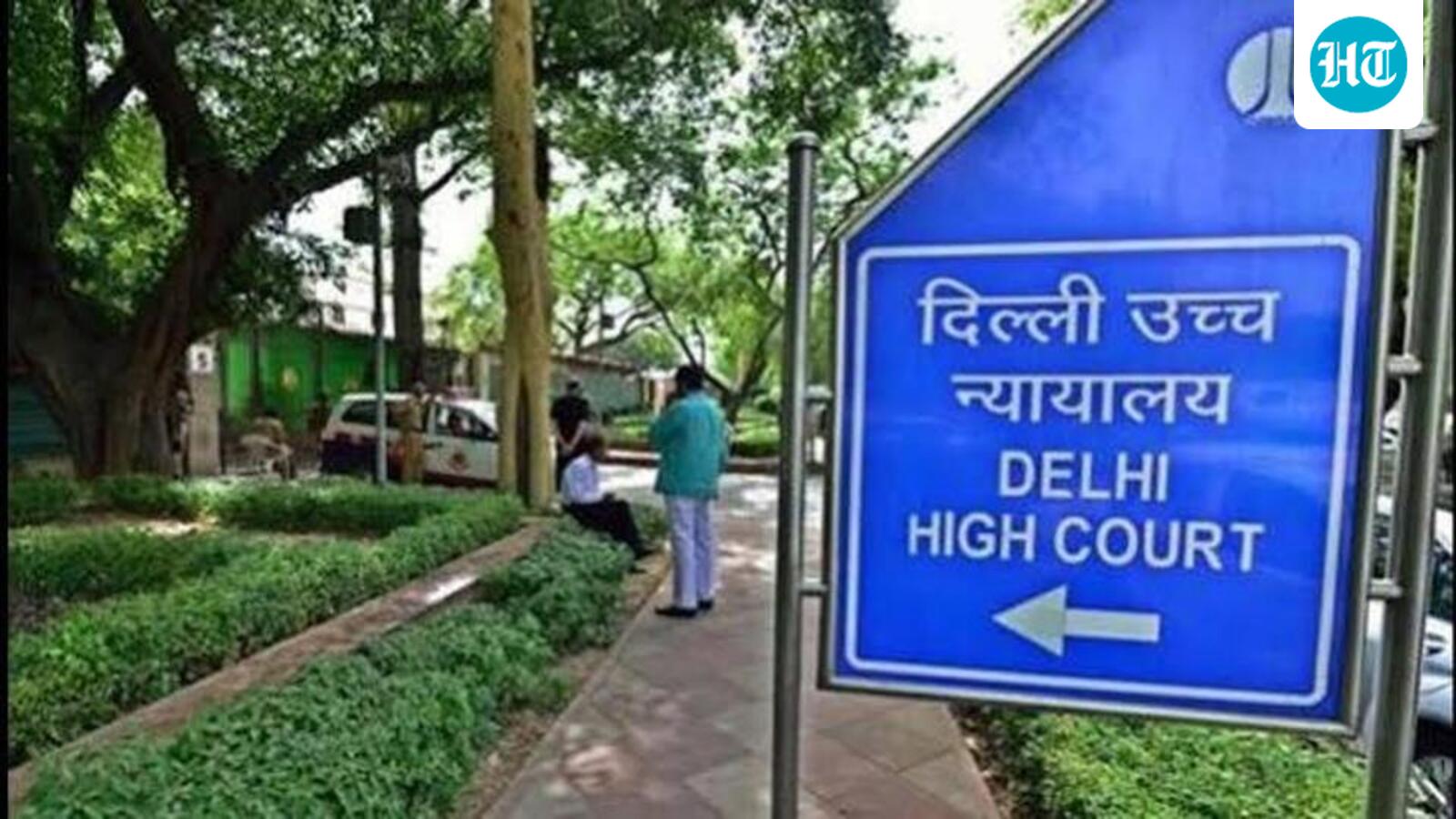
The Delhi high court has ruled that prospective adoptive parents cannot claim an enforceable right to adopt a child merely because they accepted a referral and the Central Adoption Resource Authority (CARA) processed their application for a no-objection certificate (NOC), if they are legally ineligible to adopt.
The court dismissed a plea by a Singapore-based man challenging CARA’s March 2026 decision to reject his inter-country adoption application, despite his acceptance of the authority’s referral of a baby girl.
“In the opinion of this Court, an expectation which is founded upon some actions of the authority done in contravention of the statutory regulations, though later corrected before issuance of NOC and passing of final order, cannot be said to be founded on the sanction of law, and therefore, cannot be termed a legitimate expectation in law. Neither the referral of Baby K to the petitioner and its acceptance by him, nor the subsequent conduct of CARA in processing the application for issuance of the NOC, conferred any vested or enforceable right upon the petitioner to seek adoption of a child for whose adoption he was statutorily ineligible,” a bench of Justice Swarana Kanta Sharma said in its October 15 verdict, released on Friday.
The man and his wife had registered as prospective adoptive parents under the Non-Resident Indian category on CARA’s CARINGS portal.
In January, CARA referred a girl child to them. The couple subsequently submitted and resubmitted the documents required for issuance of a no-objection certificate (NOC), including a power of attorney, family photographs, birth certificates of their biological children and a consent letter from their elder son. However, CARA rejected their application.
It was the man’s case that CARA had referred the child to him after scrutinising all the documents and that he had accepted the referral. He contended that only the issuance of the NOC remained pending and that CARA was bound to issue it, having no authority to reopen the question of his eligibility at that stage.
CARA’s lawyer argued that the man was found ineligible under Regulation 5(7) of the Adoption Regulations, 2022, under which couples with two or more children shall only be considered for special needs children and hard-to-place children.
Consequently, the court dismissed the petition but issued directions to CARA for implementation in coordination with the concerned Specialised Adoption Agencies, State Adoption Resource Agencies, authorised foreign adoption agencies and Indian diplomatic missions, wherever applicable.
It directed CARA to verify and record the eligibility of prospective adoptive parents (PAPs) at the time of registration and revalidation of their Home Study Report (HSR), as well as before referring a child to them, and to audit profiles revalidated or updated during the migration of the designated portal to identify and correct discrepancies between information submitted by PAPs and details reflected on the portal.
Additionally, it asked CARA to adhere to the prescribed timeline and ensure that the application status on the designated portal accurately reflects the action taken, along with brief reasons. An application must not be marked as “withdrawn” unless the PAPs have specifically withdrawn it, the court directed.
KioskNews shows a cleaned-up reading view extracted from the publisher’s page — the original always lives on their site, not ours.