'Batman 1920' Design Revealed In Jaw-Dropping Concept Art

Nicolas Ayala is a Senior Writer for the Comics team at ScreenRant, with over five years of experience writing about Superhero media, action movies, and TV shows.
A stunning Batman design is unveiled by an artist who makes the case for a new 1920s noir series starring a terrifying Dark Knight. Besides being one of the most popular heroes of all time in his traditional stories, Batman thrives in wildly different tones. Since Bruce Wayne lacks traditional superpowers, DC can place him anywhere from campy sci-fi romps, deadpan comedy, and Saturday-morning animated adventures to gritty and grounded 21st-century crime thrillers and psychological horror tales. The Dark Knight bends to match any creative vision, almost always to great success.
Batman's unmistakable design adapts just as effortlessly across genres and historical eras. All across DC’s multiverse and mainline continuity, artists have transformed his classic gray-and-black uniform into everything from Terry McGinnis' high-tech cyber-suit from Batman Beyond to the hulking, battle-scarred armor of The Dark Knight Returns and Absolute Batman's colossal working-class titan. DC has also reimagined Bruce Wayne as a feudal shinobi in Batman Ninja, a swashbuckling buccaneer in Leatherwing, a vampiric nightmare in Red Rain, a cosmic lantern-wielder in In Darkest Knight, and a medieval crusader in Dark Knights of Steel, all of which have put their own fresh spin on the Caped Crusader's iconic Batsuit.
Batman is a natural fit for dark environments and dark eras, which is why the idea of a Dark Knight who's active in historical periods like the nineteenth century or the early twentieth century is so popular with writers, artists, and fans.
Artist Reveals His Take On A 1920s Batman Concept
The Legend Of The Bat Is Reimagined In The Roaring '20s
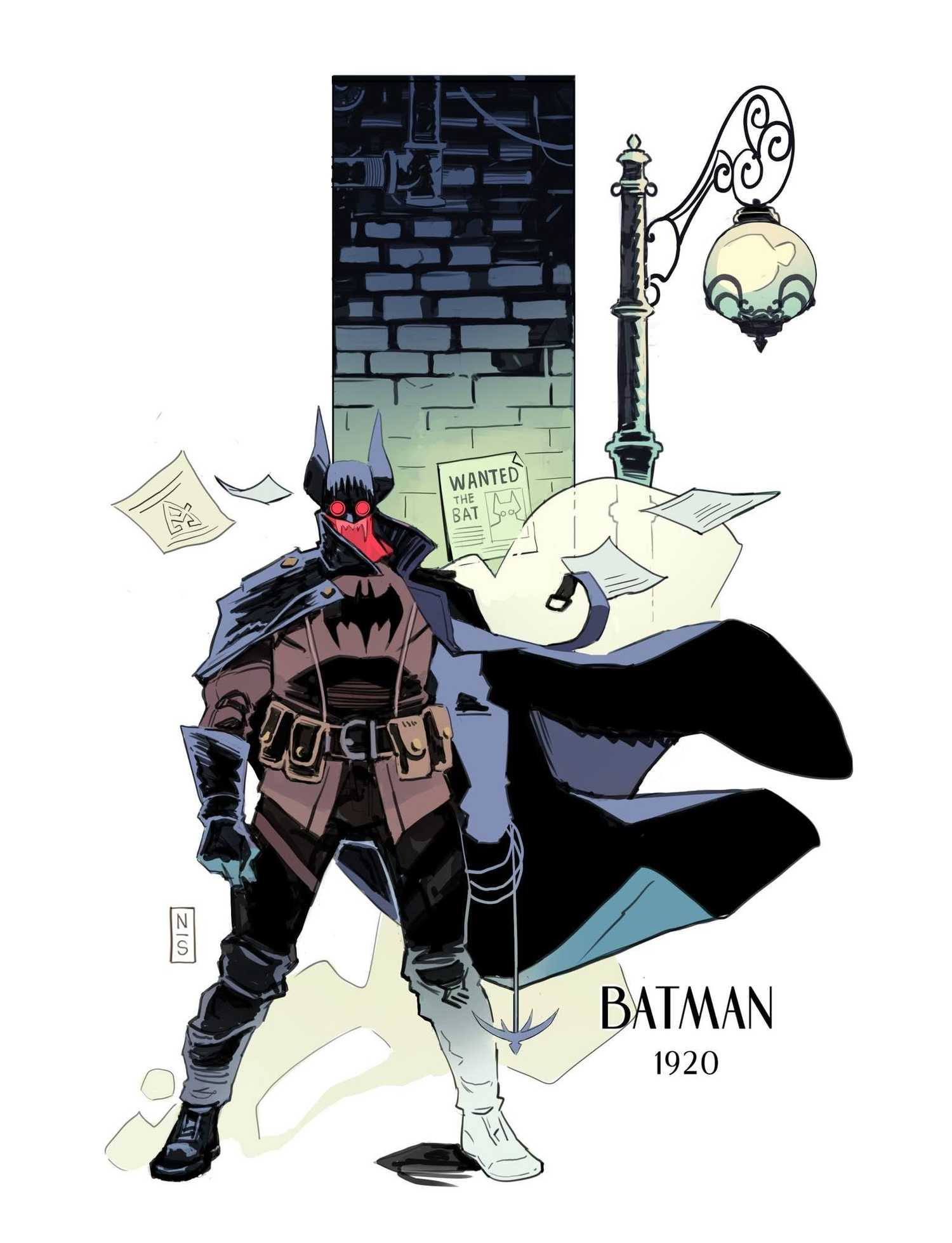
Artist Santiago Latorre shares an extraordinary piece of concept art for a 1920s Batman created for his original comic project The Archivist. This Roaring Twenties Dark Knight wears a rugged Batsuit that feels genuinely forged from post-World War I surplus and early pulp terror, with a brownish-gray trench tunic cinched with a bulky leather utility belt and a large dark cape with a high collar. His cowl is terrifying, with long ears, glowing red goggles, and a red lower face that looks like an open mouth. This Batsuit evokes both the Shadow and Man-Bat, as well as Batman's original Detective Comics #27's debut suit.
Latorre's inspired fusion of Golden Age nostalgia and visceral creature-feature darkness fits the 1920s setting like a glove. Gotham criminals would genuinely mistake this red-scarved, glowing-eyed Batman for a supernatural urban legend rather than a man in a costume. An official DC Black Label miniseries or Elseworlds comic built around Latorre’s Prohibition-era Dark Knight could be a success, with a low-tech detective Batman confronting bootlegger mob bosses and dieselpunk reinventions of classic rogues in fog-drenched alleys lit by Art Deco streetlamps.
Santiago Latorre's Batman 1920 Design Is A New Twist On A Popular Concept
Batman In Dark Historical Eras Is Always An Exciting Idea
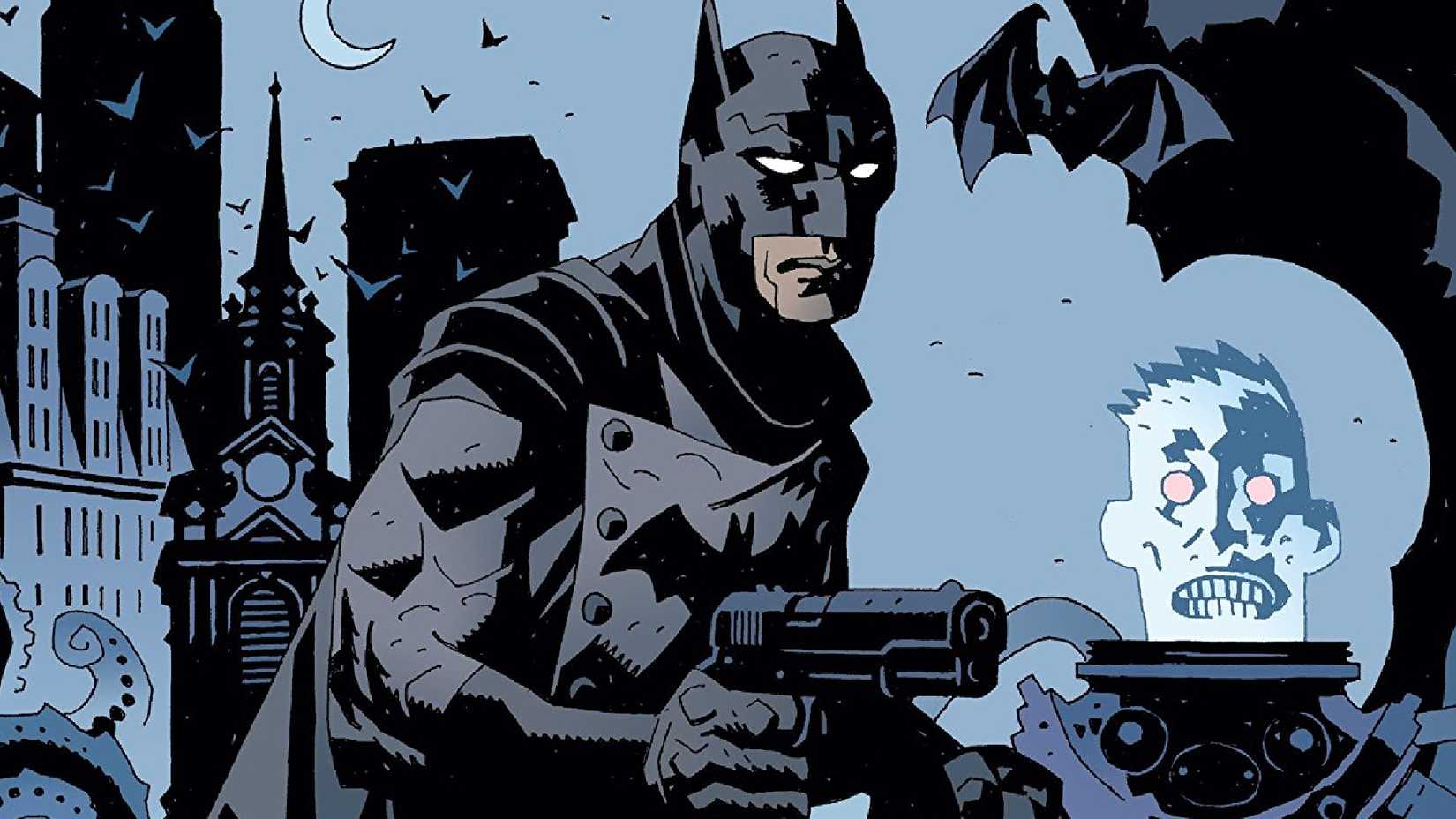
Santiago Latorre’s Batman 1920 design puts a thrilling, creature-inspired spin on an established superhero trend. DC practically invented this Elseworlds playground with Mike Mignola and Brian Augustyn’s Victorian masterpiece Gotham by Gaslight, before expanding into 1920s Lovecraftian horror in Batman: The Doom That Came to Gotham, 1940s gangster pulp in Batman: Nine Lives, and post-war retro-noir in Batman: Caped Crusader and Batman: The Brave and the Bold's Golden Age tributes. Across the aisle, Marvel tapped into that exact same pulpy appeal with Spider-Man Noir, who transformed Peter Parker into a trench-coat-wearing, goggle-eyed vigilante battling mobsters during the 1930s Great Depression.
What separates Latorre’s Roaring Twenties concept from those celebrated predecessors is how boldly it leans into monstrous pulp intimidation. While The Doom That Came to Gotham and Marvel's Spider-Man Noir dress their heroes in practical gear, Latorre fuses post-World War I trench attire with glowing crimson lenses, a blood-red scarf, and a Man-Bat-like cowl alongside the wide-winged 1939 chest symbol. The result honors classic retro-noir superheroes and makes Gotham’s Prohibition-era vigilante look like an authentic nocturnal demon ripped straight from a 1920s penny dreadful.
Would you like to see a new 1920s Batman series?
- Created By
- Bob Kane, Bill Finger
- First Appearance
- Detective Comics
- Alias
- Bruce Wayne
- Alliance
- Justice League, Outsiders, Batman Family
- Race
- Human
- Franchise
- D.C.
KioskNews shows a cleaned-up reading view extracted from the publisher’s page — the original always lives on their site, not ours.