Southern Water fined millions over sewage pollution that killed dozens of fish and eels
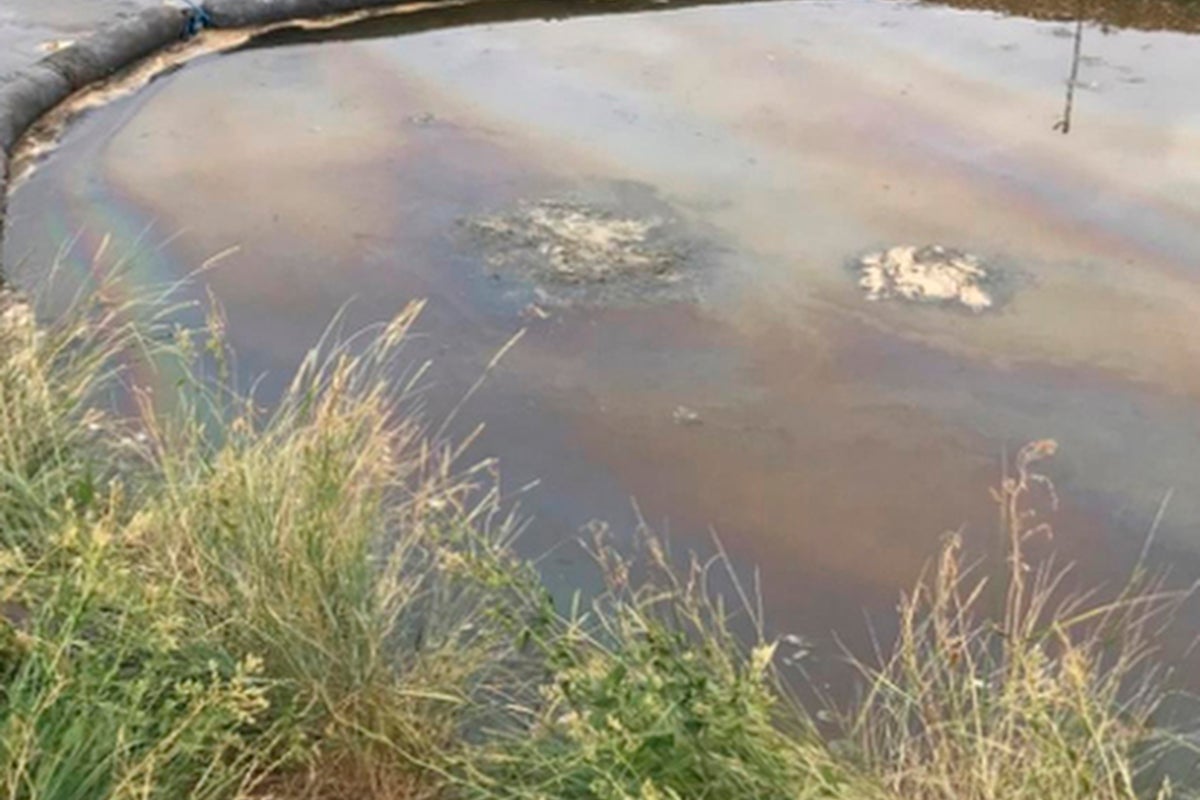
Southern Water has been handed a fresh £2.4 million fine over environmental damage in Kent, arriving just months after a £7 million penalty for illegal sewage dumping off the county’s coast.
The financial penalty was imposed at Bromley Magistrates’ Court on Monday over pollution incidents around Whitstable and Faversham between 2019 and 2021.
Investigators found roughly 70 dead fish, including eels, in August 2021 after raw sewage spilled into Whitstable's Swalecliffe Brook from a wastewater pumping station.
Additional illegal discharges later that month prompted Canterbury City Council to install warning signs along Herne Bay and Tankerton beaches, advising against swimming for nearly a week due to poor water quality.
Environment Agency said the pollution also affected nearby waters in Whitstable Harbour, a designated shellfishery.
The ruling follows a sanction of more than £7 million in July concerning sewage discharges at Broadstairs and Margate pumping stations between 2019 and 2021.
The EA’s environment manager for Kent, Lindsay Faulkner, said: “The pollution and the disruption to local businesses, and people wanting to enjoy days out, could have been avoided if Southern Water managed operations better.
“They didn’t have the checks in place to deal with problems.
“Water companies must learn to identify and fix problems before the environment pays the price. We will continue to hold Southern Water to account.”
Elsewhere, Southern Water was sentenced after people saw and smelled diesel in Swalecliffe Brook in July 2019.
It had leaked into the waterway and into the sea from a failed generator at the company’s local wastewater treatment plant, again sparking a warning to the public and their pets to stay out of the water during the summer holiday season.
Other incidents included untreated sewage dumped into Faversham Creek across three days in March 2020 after another treatment station’s pumps stopped working, and Southern Water failed to report the initial circumstances of the issue to the regulator.
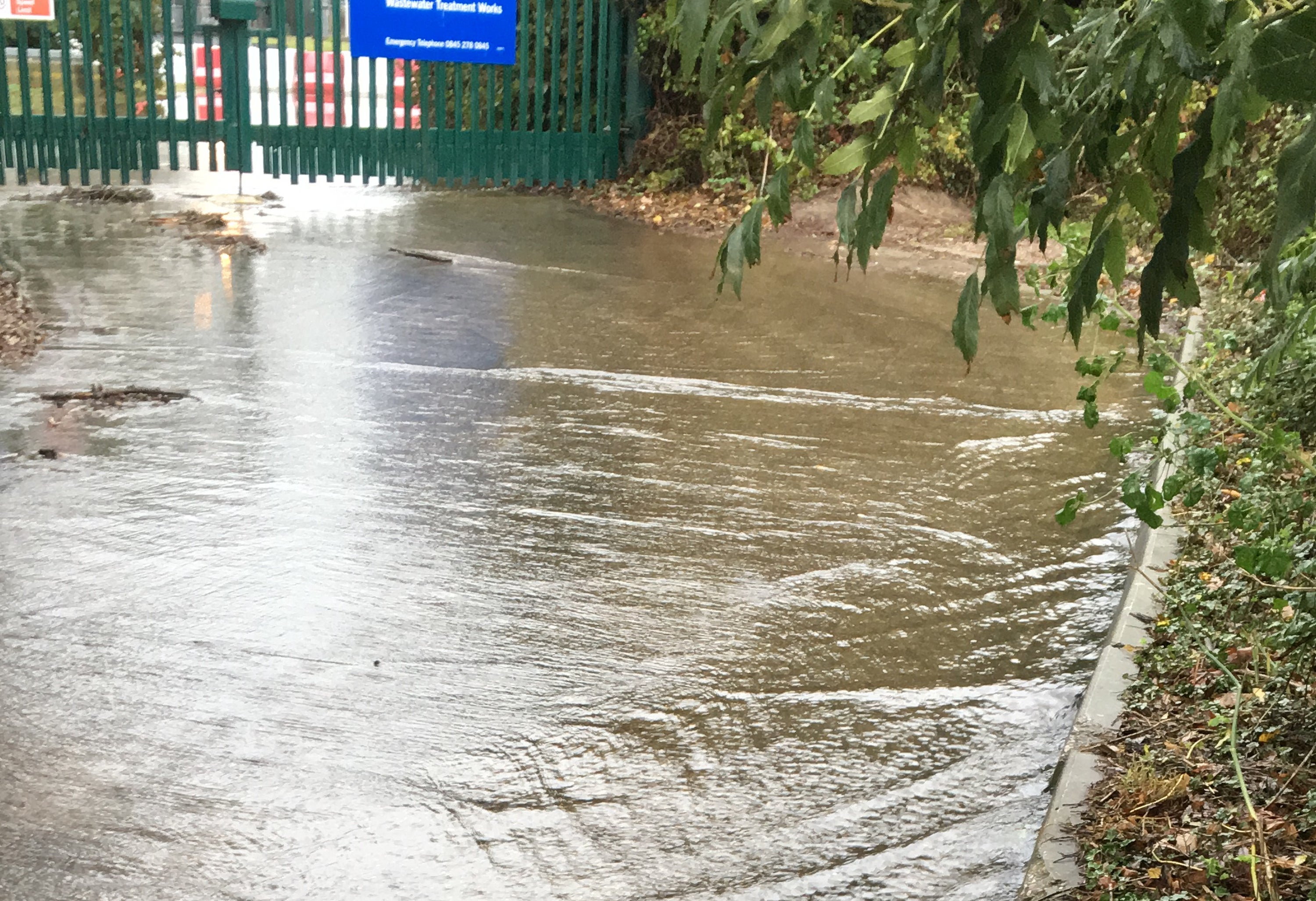
Swalecliffe Brook was also hit on the same day with sewage carried into the sea, where EA officers discovered sewage and debris flowing under the main gates of the treatment plant over a grass verge into the water.
The Environment Agency also said an “almost identical incident” took place in October 2020.
On Monday, the company was fined £2,416,666.67 after pleading guilty to the five charges in April at Medway Magistrates’ Court, the regulator said.
It was also ordered to pay £69,894.04 in costs, and a victim surcharge of £190.
A Southern Water spokesman apologised for the incidents which led to the fine.
He said the pollution at Faversham Creek and Swalecliffe Brook happened during “extremely heavy rainfall which overwhelmed our network”.
“Since then, we have undertaken a significant programme of work to improve our performance and the resilience of our wastewater network,” the spokesman said.
“We’ve invested more than £35 million in and around Swalecliffe since April 2020 and have increased our stormwater storage capacity. We’ve seen a 36% reduction in storm overflows since 2023.
“We’ve a lot more still to do and will continue to invest heavily in improving these sites.
“We remain committed to working with regulators and partners to improve river and coastal water quality, and rebuilding trust with our customers and stakeholders across Kent.”
KioskNews shows a cleaned-up reading view extracted from the publisher’s page — the original always lives on their site, not ours.