Google should relax ad tech rules, appoint antitrust monitor, US judge finds
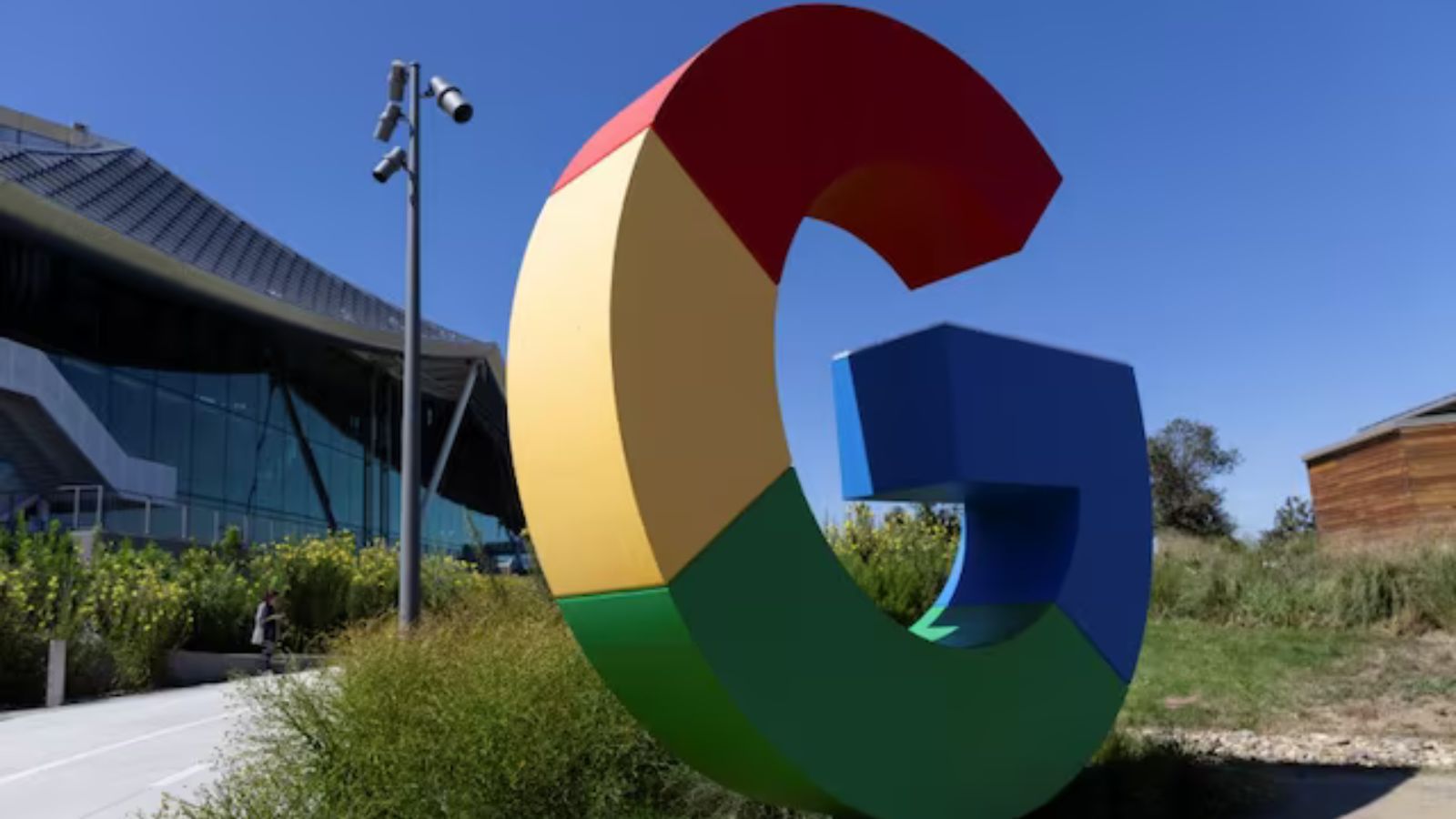
The logo of Google is seen outside Google Bay View facilities during the Made by Google event in Mountain View, California, US, August 13, 2024. (Image: Reuters/Manuel Orbegozo)
A federal judge said Google should relax its rules governing its online advertising auctions and appoint an internal antitrust compliance monitor, while stopping short of demanding that the Alphabet unit break up its advertising technology monopoly.
U.S. District Judge Leonie Brinkema in Alexandria, Virginia, gave her assessment in a 106-page decision unsealed on Wednesday, two weeks after she rejected the U.S. Department of Justice’s insistence that Google break up its business of placing ads across the internet.
Brinkema said Google should instead change some of its business practices, despite having found in April 2025 that it maintained an illegal monopoly over some online ad technology.
The remedies “will be sufficient to effectively pry open to competition the ad tech markets that were injured by Google’s unlawful conduct, and prevent Google from reverting to anticompetitive conduct in these markets,” Brinkema wrote.
Google said on Wednesday it disagreed with Brinkema’s liability ruling on its Google Ad Manager publishing tool, and will appeal. It also maintained that a divestiture would have made it harder for small businesses to reach customers.
Associate Attorney General Stanley Woodward Jr in a statement called the decision a “significant victory” in Justice Department efforts to protect and restore competition. He said the department is reviewing the opinion to consider its legal options.
The decision spared Google from having to break up another part of its internet empire as the Mountain View, California-based company races to expand in AI against such rivals as Anthropic and OpenAI.
Story continues below this ad
Last September, a different judge ordered Google to open up competition in online search, but declined to require a sale of its widely used Chrome browser.
Annual global digital advertising spending could grow to $605 billion next year from $424 billion in 2023, according to the judge’s decision.
Advertising accounted for about 73% of Alphabet’s revenue last year. The company’s market value exceeds $4.1 trillion.
The government had wanted Google to sell AdX, where publishers pay a 20% fee to sell ads in auctions that happen instantly when users load websites, claiming Google could not be trusted to run it.
Story continues below this ad
Brinkema rejected that remedy, saying that access to real-time bids from AdX using other publisher ad servers would restore “much-needed” competition.
But the judge accepted proposals that Google not require websites that use its ad server to also use AdX. Google would also cease practices that publishers complained kept them locked into Google’s ad tech tools.
Brinkema also said a monitor was necessary given the “gravity” of Google’s antitrust violations, though the monitor would have less oversight than the government sought.
Changes must remain in place for six years, not the 15 years sought by the Justice Department and various states that also sued.
Story continues below this ad
After issuing her bottom-line ruling, Brinkema gave both sides 14 days to seek redactions of confidential information from her written decision, and 30 days to file a proposed final judgment reflecting remedies she wants.
KioskNews shows a cleaned-up reading view extracted from the publisher’s page — the original always lives on their site, not ours.