SpaceX to buy key spectrum that could help Starlink Mobile become major US cell carrier
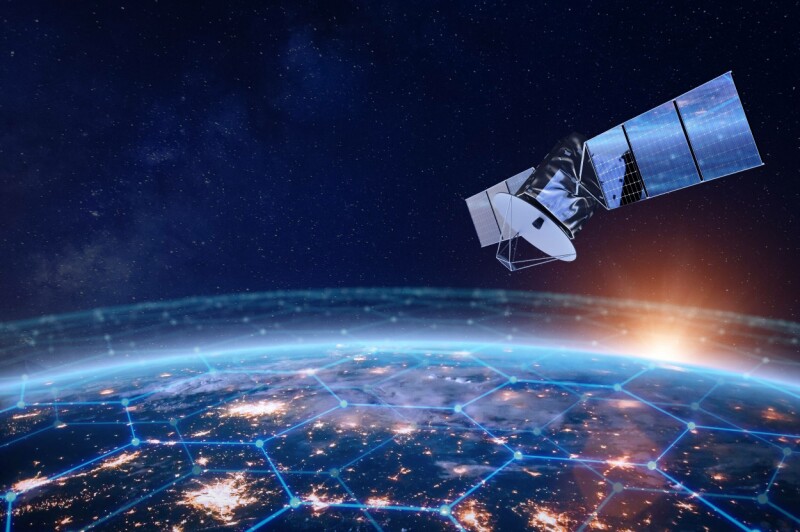
Low-band frequencies can reach devices inside buildings, while 2 GHz orbiters could extend coverage beyond cell towers
SpaceX is looking to take on the incumbent mobile networks in the US with a combination of low-band spectrum that can penetrate indoors together with the 2 GHz spectrum supported by its Starlink Gen2 satellites for bandwidth.
The rocket-flinging operation says it cut a deal to acquire a nationwide low-band spectrum license portfolio of up to 14 megahertz of paired spectrum in the 800 MHz band, which will pave the way for Starlink Mobile to become a major cellular carrier in the US.
SpaceX agreed to acquire the spectrum licences from telecoms investment firm Grain Management, which bought them from T-Mobile. The transaction is subject to FCC approval and other customary closing conditions.
REG AD
In its FCC filing [PDF] regarding the transaction, SpaceX says it intends to roll out its own terrestrial infrastructure for this purpose, operating standard wireless equipment such as antennas on towers, rooftops, and other structures to provide reliable signal coverage.
REG AD
Financial terms of the agreement were not disclosed. We asked SpaceX for further details and will update if we get answers.
Also this week, America’s telecoms regulator, the Federal Communications Commission (FCC), approved Starlink’s application [PDF], filed last year, to put into orbit an additional 15,000 satellites that are optimized for 2 GHz spectrum globally. The operator says this will allow it to bring high-speed service directly to unmodified devices anywhere in the world.
It builds on SpaceX’s $17 billion purchase of spectrum from satellite biz EchoStar last year, which netted it 50 MHz of exclusive S-band spectrum in the US, as well as the firm's global Mobile Satellite Service (MSS) licenses.
Taken together, these two moves could pave the way for Starlink Mobile to build a hybrid satellite-terrestrial network, with the low-band spectrum helping to reach subscribers inside buildings, while the 2 GHz spectrum used by its satellite constellation could extend high-speed coverage to areas beyond the reach of cell towers.
It is understood that most existing mobile devices already support the 800 MHz band frequencies, which SpaceX describes as currently underused, meaning subscribers can connect without having to upgrade.
“Starlink Mobile can now become the first network operator to deploy both satellite and terrestrial spectrum. One network that provides Americans with a reliable service indoors, outdoors, in cellular dead zones, and everywhere in between,” the firm stated in an update.
According to finance news site MarketWatch, shares of the incumbent wireless operators fell following the news. It says that Verizon shares were down almost 6 percent, while AT&T and T-Mobile US shares were down more than 6 percent.
T-Mobile kicked off a Direct-to-Cell service for US customers using Starlink’s existing satellite constellation last year, offering it even to customers of rival networks for $15 per month.
REG AD
A report out earlier this year found that the number of direct-to-device connections rose nearly 25 percent between July 2025 and March 2026, but a separate report cast doubt on how widespread adoption of the technology will be. Juniper Research pointed out that it is inherently niche, kicking in only when the terrestrial signal fails, and it does nothing to solve poor indoor coverage – something that SpaceX’s 800 MHz move aims to address. ®
KioskNews shows a cleaned-up reading view extracted from the publisher’s page — the original always lives on their site, not ours.