Military air chief warns UK faces ‘rapidly evolving’ existential threats

The UK faces “proximate, rapidly evolving” threats which could prove to be “existential” if left unchecked, a military chief has warned.
Air chief marshal Sir Harv Smyth said that the “international rules-based order”, which long secured Britain’s “sanctuary and prosperity” is being “actively challenged and dismantled by our adversaries.”
“The threats we face are no longer distant storm clouds on the far horizon”, Sir Harv said as he delivered the Lord Trenchard Memorial Lecture at the Royal United Services Institute on Monday.
“They are proximate. They are rapidly evolving. They are multifaceted and, if left unchecked, could prove existential.”
The lecture came as the government has drawn up recommendations for households to have three days’ worth of bottled water and tinned food to deal with a crisis such as a war, an online attack or natural disaster.
The checklist released advises stocking up with three days’ worth of bottled water and non-perishable food, a battery or wind-up FM radio to receive updates during outages and cash in case electronic payments or cash machines are disrupted.
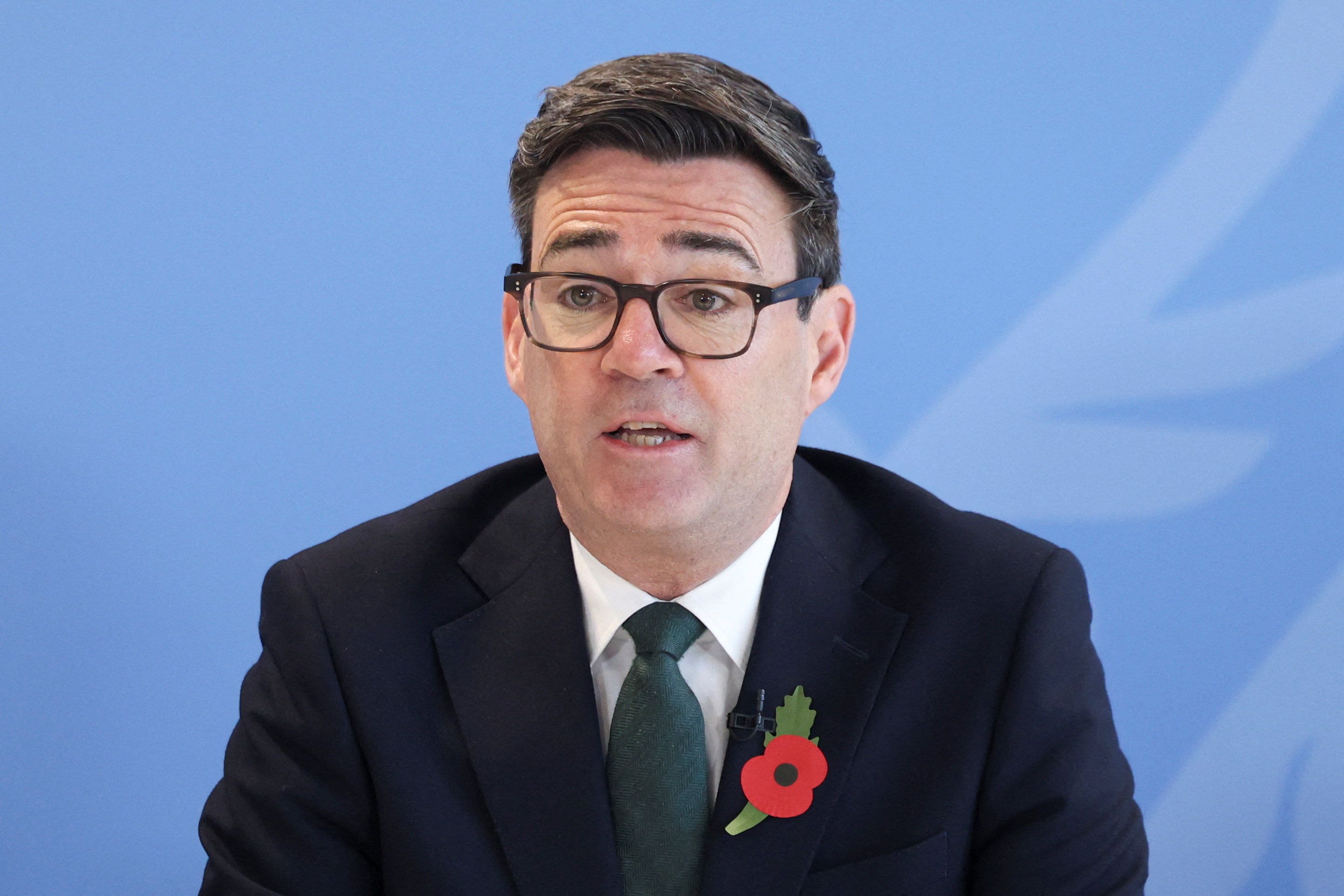
Andy Burnham last week denied that people were being asked to step up because the government had failed in its responsibilities, telling reporters in Merseyside: “No, we’re having the conversation with people about being better prepared because we’re living in a world where unexpected events seem to be becoming more and more common.
“Obviously, weather events, and we’re in a situation today where the UK is facing storms and obviously, we feel for the people without power in Cornwall right now.
“It is just having those supplies in the house to get you through those moments. So we are having that conversation about resilience.”
Defence secretary Wes Streeting said he wanted people to be “alert but not alarmed” as he defended against accusations that the call to stockpile was scaremongering.
He also said that cyber incidents such as the critical security flaw in the PHP programming language used by the majority of websites that has left organisations around the world scrambling for a fix will happen “more and more”.
Mr Streeting, speaking at the opening of a new gun hall in Telford on Thursday, warned of the need to be ready in case businesses were hit by cyber attacks that could knock out supply chains of essentials.
He said households and businesses need to ask if they know how they would respond to possible “everyday challenges” that might manifest themselves.
“But we’ll also need to take the country a step further and ask them are they prepared for increasingly sophisticated cyber attacks on our businesses, are they prepared for the eventuality that there may be disruption to essential supply chains caused by hostile state actors or terrorists?” he said.

“How would we cope if the payment systems at the local supermarket went down?”
In his lecture, Sir Harv also said that a new doctrine of “autonomy, not flesh” should guide the modern military.
Referring to the Allied “steel, not flesh” strategy during the Second World War, Sir Harv said: “You will also be familiar with the steel, not flesh philosophy, a Western way of war during the Second World War that embraced the emergent technology of the day.”
He said this involved planes and tanks to avoid the “bloody” and “costly” nature of trench warfare.
Sir Harv said: “Given today’s changing character… I would argue strongly that the modern paradigm must now become autonomy, not flesh.”
The head of the UK military earlier this month warned that Europe must take greater responsibility for its own defence as war returns to the continent and shows that security can no longer be taken for granted.
Writing for The Independent, Air Chief Marshal Sir Richard Knighton, the UK chief of the defence staff, and his Swedish counterpart General Michael Claesson urged the need to reinforce Nato’s northern flank in the face of new threats and “reckless acts of aggression” from abroad.
KioskNews shows a cleaned-up reading view extracted from the publisher’s page — the original always lives on their site, not ours.