My suburb operates on the belief that cities should belong to people first
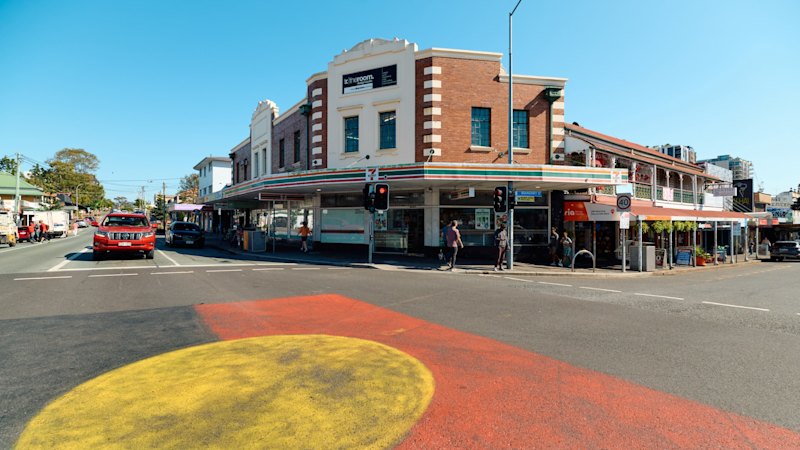
In a city constantly chasing the next trendy postcode to call home, West End has somehow remained mine.
It’s where I’ve grown up, changed careers more than once, and found my place. Over the years, I’ve watched businesses come and go, monolithic apartment blocks rise where weatherboard houses once stood, and rents climb high enough to push many of the people who made this suburb tick somewhere else.
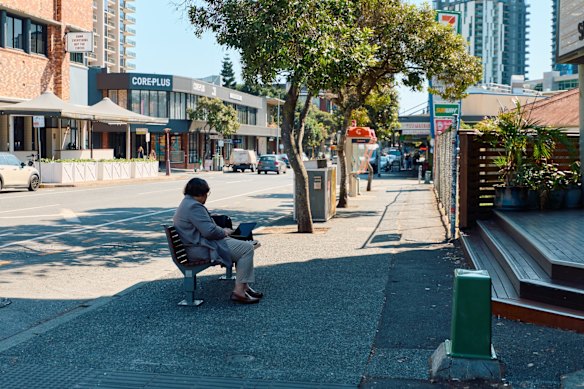
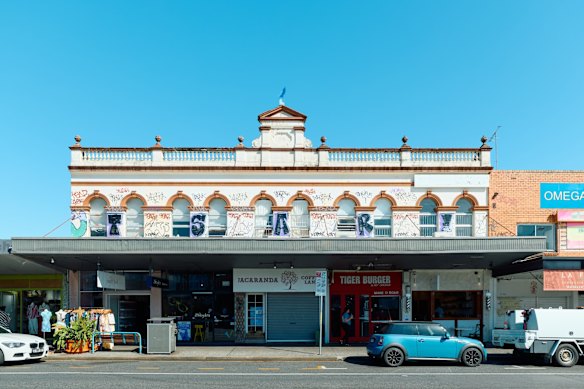
Yet, West End still feels unmistakably like West End.
People love reaching for cliches to describe it. Bohemian. Progressive. Hippie. Alternative. They aren’t entirely wrong, but those words flatten a place that flatly refuses to be simple.
West End is contradiction.
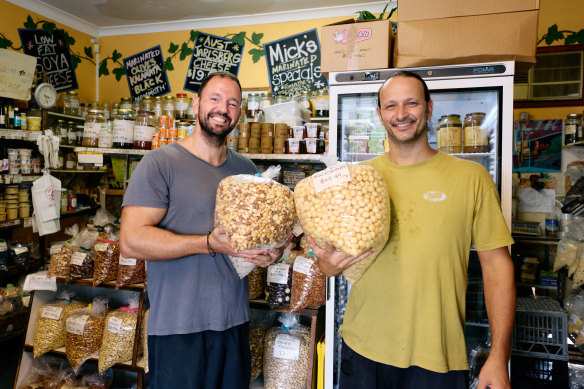
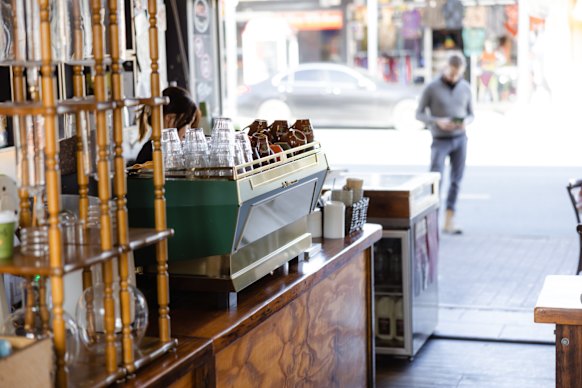
It’s million-dollar apartments standing right beside weatherboard cottages that have somehow survived another development application. It’s boutique bakeries operating next door to family-run Vietnamese eateries that have anchored the block for decades. Where else do you see someone walking barefoot with a basket of organic greens while another bloke casually casts a fishing rod into the murk off Orleigh Park before his shift?
As a journalist, I spend a lot of life on the move. One week I’m reporting from remote Cape York communities; the next, I’m covering stories in Mount Isa, Cairns, or Thursday Island. I see extraordinary places and meet extraordinary people. But almost every trip home ends the same way: driving back over the William Jolly Bridge, watching the river open up, and knowing I’m finally back.
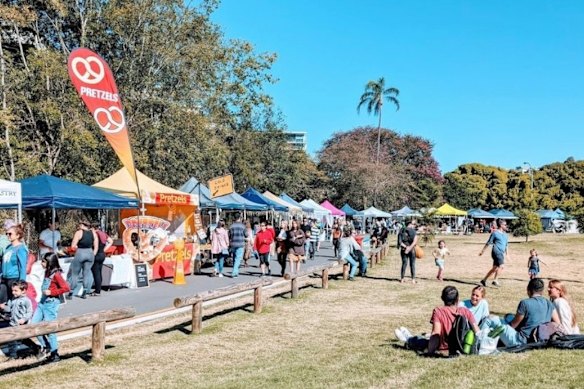
There’s a grounding comfort in walking through the Davies Park Markets on a Saturday morning, hearing half a dozen different languages before turning the corner, and knowing you’ll inevitably get caught in a 20-minute chat with someone you know.
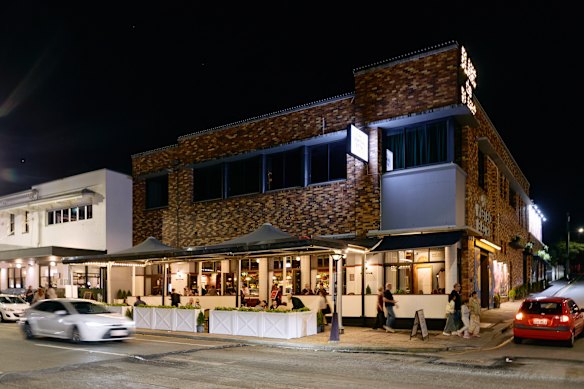
West End has never felt polished. That’s its charm. The old Queenslanders lean a little. The lane walls are a rotating gallery of murals. Live music still drifts out of pubs that have somehow survived Brisbane’s historical habit of demolishing its own character. It’s one of the few corners of the city where nobody ever seems to be in a rush.
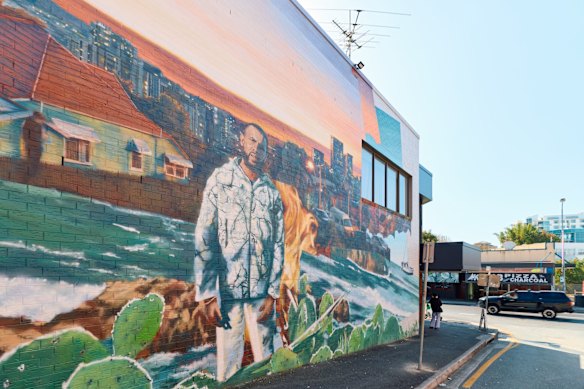
Working in news means life is usually urgent. Deadlines, breaking stories and edit suites can quickly become your entire world. West End offers an antidote – a rhythm measured not in minutes, but in conversations, neighbours looking out for one another, and a stubborn refusal to look away from difficult truths.
I’ve covered plenty of protests, rallies and community campaigns here, sometimes on assignment, other times just walking past with a bag of groceries. West End has always operated on the belief that cities should belong to people first.
That spirit didn’t appear by accident. Long before it was known for brunch spots and weekend markets, this was a place where Aboriginal people gathered, organised and resisted. Musgrave Park has been a meeting place for generations – from early land rights campaigns to the cultural celebrations that endure today.
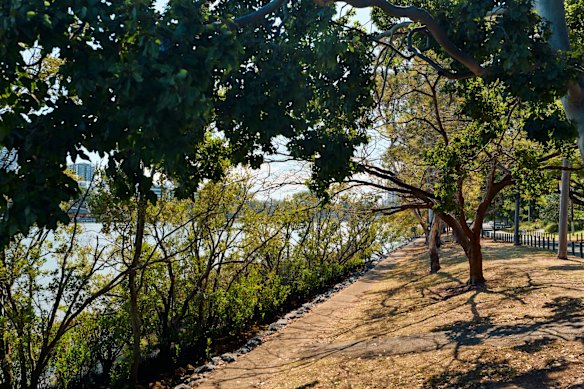
Perhaps that’s always been the story here. West End has never stood still; it reinvents itself without entirely forgetting who it was. Maybe that’s why I’ve stayed.
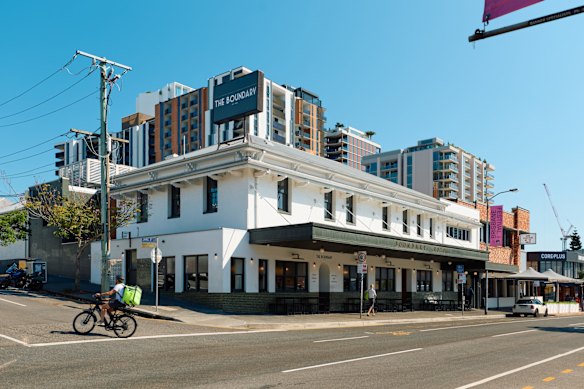
Ultimately, West End isn’t defined by Boundary Street, the weekend markets, or the cafes recommended to weekend visitors. It’s defined by the people. The barista who knows your order by heart, the busker anchoring the same street corner, and the stranger who smiles because that’s still just what people do here.
After all this time, West End has stopped being just an address. It’s the lens through which I see Brisbane: messy, opinionated, compassionate, and constantly changing.
KioskNews shows a cleaned-up reading view extracted from the publisher’s page — the original always lives on their site, not ours.