India to gain? Trump’s Russian diesel deal offers New Delhi leverage
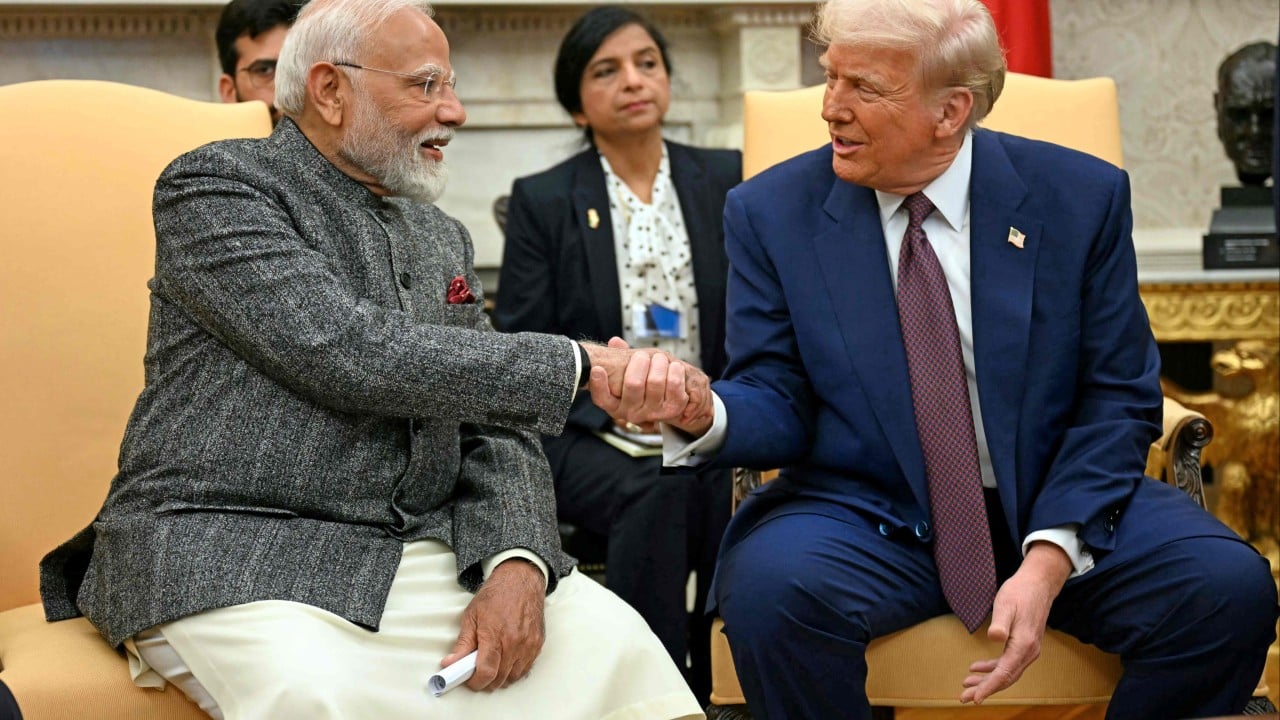
US President Donald Trump’s decision to ease sanctions on Russian diesel exports and allow fresh supplies to reach global markets could give India greater leverage in its own dispute with Washington over discounted crude purchases, analysts said.
Beyond the energy dispute, they said the move could also open up diplomatic opportunities for New Delhi, from pressing for more consistent treatment by Washington to building on its efforts to help negotiate an end to the Russia-Ukraine war.
Under the deal Trump announced on Friday, Russia would immediately supply more than 300,000 tonnes of diesel to the US and global markets, followed by another 500,000 tonnes in November and 1 million tonnes “immediately thereafter”.
Trump said a further 3 million tonnes would follow “within a short period of time”, subject to the condition of Russian refineries. The US Treasury has also issued a temporary licence easing sanctions on Russian diesel shipments.
The announcement came weeks after Trump signed into law the Lindsey O. Graham Sanctioning Russia and Iran Act of 2026, which directs the US president to impose tariffs of up to 100 per cent on goods imported from the leading buyers of Russian oil or natural gas, subject to an exception for certain countries. India is among the countries that could be affected by the measures.
Ukrainian and EU officials have criticised Trump’s diesel deal, arguing that it could help finance Moscow’s war effort.
However, analysts told This Week in Asia that the move could give Delhi greater room to defend its Russian oil purchases, particularly amid soaring energy prices linked to the US-Iran conflict.
“India should be firm in citing the deal reached with the US in bilateral talks,” said Srikumar Menon, a former Indian diplomat. “While doing so, India should demand consistent treatment or even waivers under sanctions laws, further diversify its supplies and leverage exports of refined-products.”
India has become a key supplier of refined petroleum products to Russia in recent months, as Ukrainian drone attacks on Russian refineries have contributed to domestic fuel shortages.
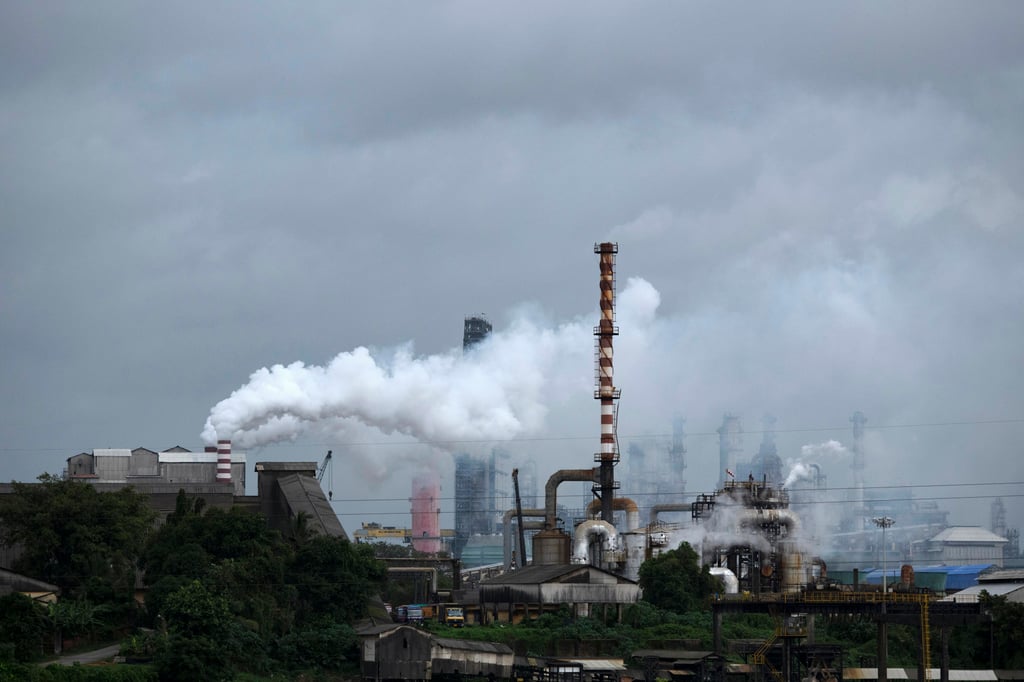
At the same time, Indian refiners were already cutting purchases of Russian crude amid the threat of punitive US tariffs. Russia’s share of India’s crude imports fell to about 35 per cent in September from as high as 56 per cent in July, according to data from global commodities tracking platform Kpler.
“It is clear that Trump’s diesel deal exposes US double standards, just as America prioritises its energy needs while pressuring India,” Menon said.
“The US move highlights selective application of principles; it certainly helps reduce the moral and political weight of Western criticism. India can continue its strategic autonomy between Russia and the West with greater confidence and negotiating leverage.”
The Russia-Ukraine war has tested India’s policy of strategic autonomy and multi-alignment, with Delhi seeking to preserve ties with Moscow while maintaining relationships with Western allies.
Trump has also sought to blame record US diesel prices on Ukraine rather than the US-led war in Iran, which has disrupted global energy supplies.
“Trump’s decision weakens Washington’s moral and political case for penalising India over Russian oil purchases. If US energy security justifies buying Russian diesel, it is difficult to deny India the same line of argumentation,” said Uday Chandra, a professor of politics at Ashoka University in India.
Washington’s sanctions framework targeting major buyers of Russian oil, including India and China, remained in place – leaving India exposed to the threat of steep US tariffs despite the recent change in policy, Chandra said.
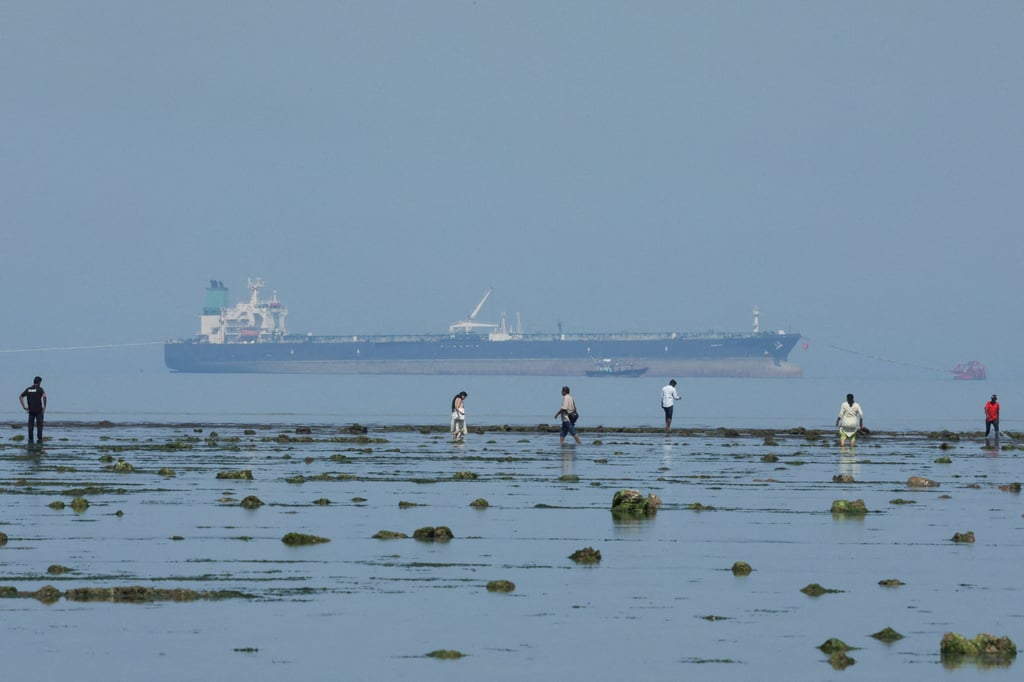
“India is better off using this opening [from the US diesel deal] pragmatically rather than accusing Washington of hypocrisy,” he said. “It can seek exemptions from American sanctions and greater predictability in its energy trade.”
India’s peace proposal
India could also use its diplomatic ties with both Russia and Ukraine to pursue a broader role in efforts to end the war, Chandra said.
“Delhi can build on its recent peace initiative for Ukraine by helping negotiate practical arrangements concerning energy infrastructure, shipping and trade,” he said. “The real opportunity here is to turn India’s strategic autonomy into diplomatic capital beyond insisting on its right to buy Russian oil.”
A three-part truce framework recently put forward by Delhi was described by Ukrainian Foreign Minister Andrii Sybiha as the “most comprehensive” among recent international proposals to end the war.
The core pillars of India’s proposal reportedly include easing intense naval and aerial fighting in the Black Sea to allow the uninterrupted passage of Ukrainian agricultural products, grain and energy exports to global markets.
Trump announced an immediate “energy ceasefire” between Russia and Ukraine on Sunday. However, both warring parties have disputed that any such agreement actually exists.
Benchmark Brent crude oil was trading at around US$105 per barrel on Tuesday, a slight pullback after prices spiked on Monday following a spate of attacks on Saudi Arabia by Iran-backed Houthi militants.
The diesel deal showed that Washington was prepared to sacrifice principles for pragmatism when domestic affordability became a political priority, said Srinivaasan Balakrishnan, an analyst with Indic Researchers Forum, a Delhi-based think tank.
“[But] the larger lesson is that strategic autonomy must translate into economic resilience,” he said.
KioskNews shows a cleaned-up reading view extracted from the publisher’s page — the original always lives on their site, not ours.