Hong Kong loses record 40 kindergartens as birth rate drops, women wait to have kids
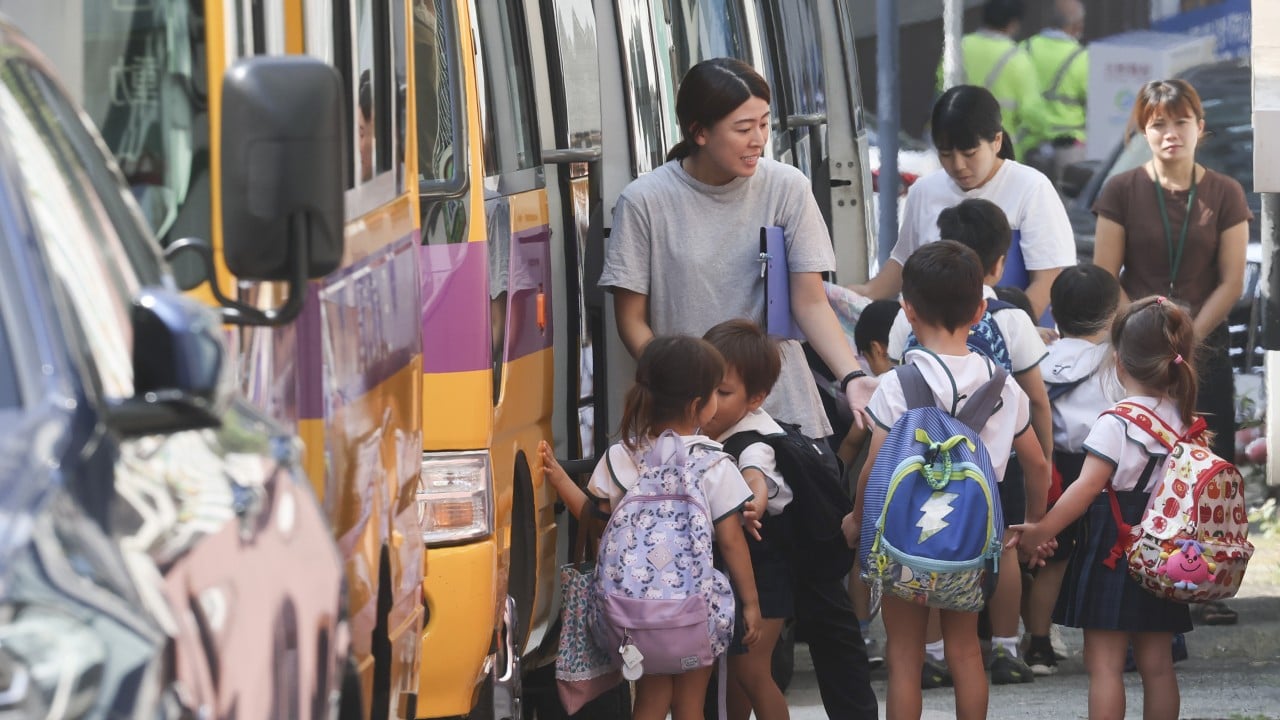
Hong Kong suffered a record net loss of 40 kindergartens this year amid a shrinking student population and as the median age of women giving birth to their first child rose to its highest yet, according to official figures.
In its overview of preschools released on Thursday, the Education Bureau revealed that 930 kindergartens were currently operating in Hong Kong, down from roughly 970 in the previous school year.
While some new kindergartens were launched, the net decrease stood at 40, the highest on record. Each of the past four academic years witnessed a net decrease of about 20 preschools.
The situation reflects the low birth rate in 2022, which was the second-lowest on record with just 32,500 babies born. They entered kindergarten in the previous school year.
Kentville Kindergarten is among the schools that have closed, with the prestigious private institution in Kowloon Tong citing low birth rates, emigration of young families and staff retirement as the reason.
The future for preschools appears bleak, as annual births remain low and are expected to hit their lowest point this year.
According to the official figures, Hong Kong recorded fewer than 30,000 births over 12 months for the first time between July 2025 and June 2026.
The city’s midyear population, however, edged up by 0.3 per cent to 7,518,300, or 19,400 more compared with the same period last year.
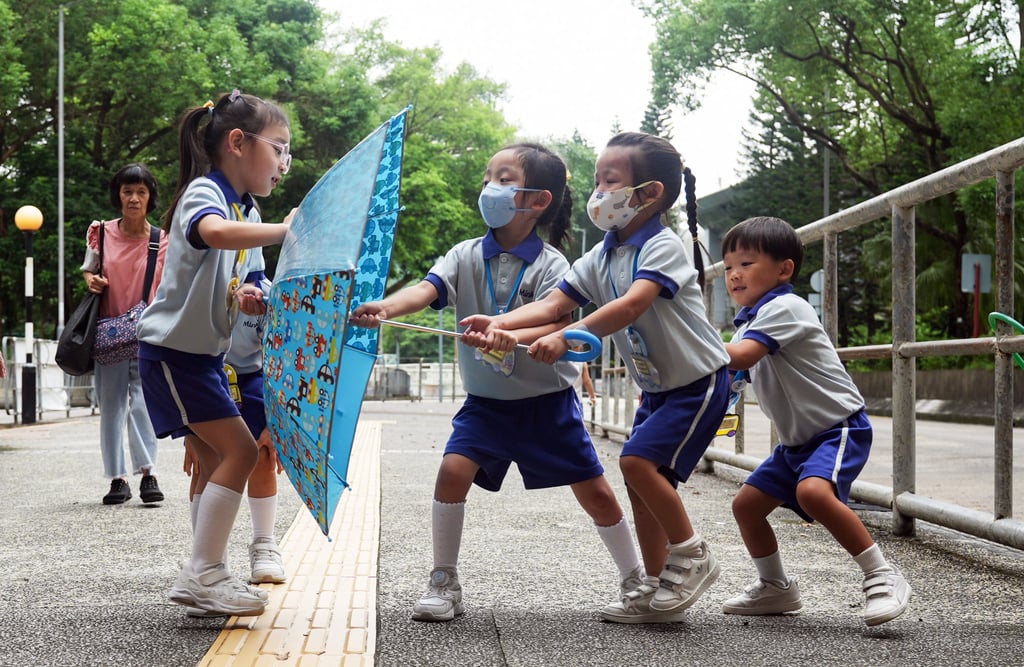
The survival of government-subsidised kindergartens heavily relies on the number of pupils they admit, as headcounts are tied to government subsidies.
Authorities introduced 11 measures to encourage childbirth in the city leader’s policy address last month, including extending a HK$20,000 newborn cash incentive for three more years and launching a progressive reward scheme that raises the incentive to HK$30,000 for the second child and subsequent ones.
To survive, some kindergartens previously offering only half-day modes have started offering full-day sessions to lure working parents.
The Census and Statistics Department recently announced that the median age of women having their first child stood at 33.1 last year, up from 32.8 in 2024.
It was the first time the figure exceeded 33.
Between 2000 and 2025, the median age underwent a sustained upward trend, rising from 29.3 years in 2000 to 33.1 years in 2025, an overall increase of 3.8 years, or 13 per cent.
It also coincided with couples waiting until later in life to marry. The median age for a first marriage stands at 32 for men and 31.3 for women, compared with 30 and 27.3 respectively in 2000, with females delaying marriage much more than males.
Lawmaker Judy Chan Kapui has urged the government to set up a high-ranking working group to coordinate birth-boosting policies.
“If there is more coordination of the related policies, bureaus would not only think of their areas when devising their policies, but also care about the policy impact on births,” she said.
Chan also said young generations already had a perception that “not having births is the norm”, urging the government to launch a citywide campaign to change that view.
KioskNews shows a cleaned-up reading view extracted from the publisher’s page — the original always lives on their site, not ours.