Deadly factory fire in Indonesia renews lack of safety enforcement fears
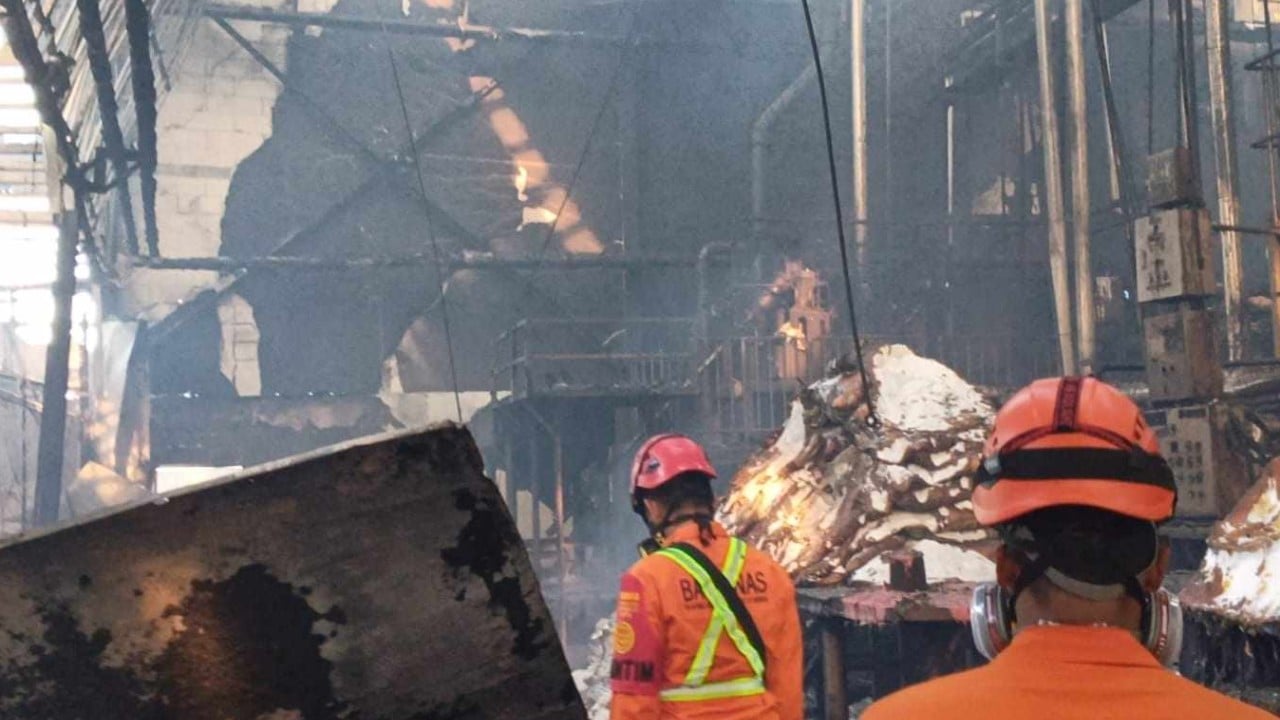
Inconsistent enforcement of Indonesia’s workplace safety regulations is creating risks for factory workers, labour advocates and building experts have warned, following a deadly blaze at a confectionery factory that raised concerns about government oversight and business operation practices.
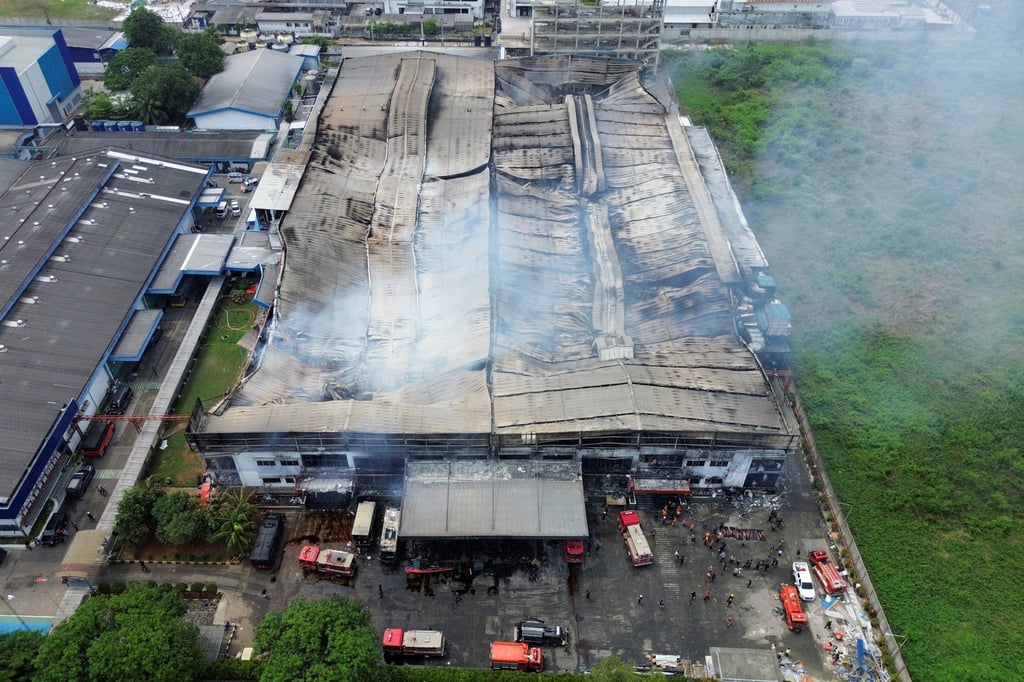
On Saturday, a fire broke out at the Fonusa Agung Mulia factory in the Cikande industrial district in Banten province, killing 26 people, with around 30 still missing.
While Indonesia has extensive regulations covering areas ranging from building safety to emergency preparedness, observers said tough questions about accountability of factory owners and the relevant government agencies would have to be addressed following the fire incident.
The blaze at the factory, which manufactures the popular Indonesian milk-based sweets Milkita, quickly spread and trapped dozens of workers inside. It took several days for emergency services to bring the fire under control, with parts of the structure still smouldering, complicating efforts to recover the remains of victims.
On Monday, Fonusa Agung Mulia CEO Steven Wijaya said that “the company will take responsibility for helping victims and their families”.
He said the confectionery facility, which also makes instant noodles, had conducted emergency protocols and evacuation drills for workers, adding that there were evacuation routes and fire protection systems in place in accordance with regulations.
The company did not respond to This Week in Asia’s request for comment on the incident.
Local police said they had opened a criminal investigation and were looking into whether negligence had caused the blaze.
“We have found indications of a criminal offence related to negligence,” Zain Dwi Nugroho, deputy chief of the Banten police, said at a press conference on Tuesday.
According to the authorities, 19 witnesses have been questioned while company items such as permits, safety equipment and CCTV footage have been seized.
Lack of compliance
Mohammad Abduh, a lecturer in civil engineering at Muhammadiyah University in Malang, said compliance with safety regulations was still lacking among Indonesian companies.
He said there were all types of codes covering structural, architectural and other aspects, with a building approval permit required for construction and a certificate of functional suitability needed before completed buildings could be put into use.
“However, there are times when owners or other relevant parties fail to comply with these regulations.”
Damairia Pakpahan, an Indonesian human rights advocate, said the responsibility for ensuring fire safety should also rest with the authorities.
“This is not the first time that a fire like this has happened. Where is the Ministry of Manpower’s accountability regarding oversight of worker safety? It shouldn’t just be the factory management that faces legal action. The Manpower Office must also be investigated for potential negligence,” Pakpahan said.
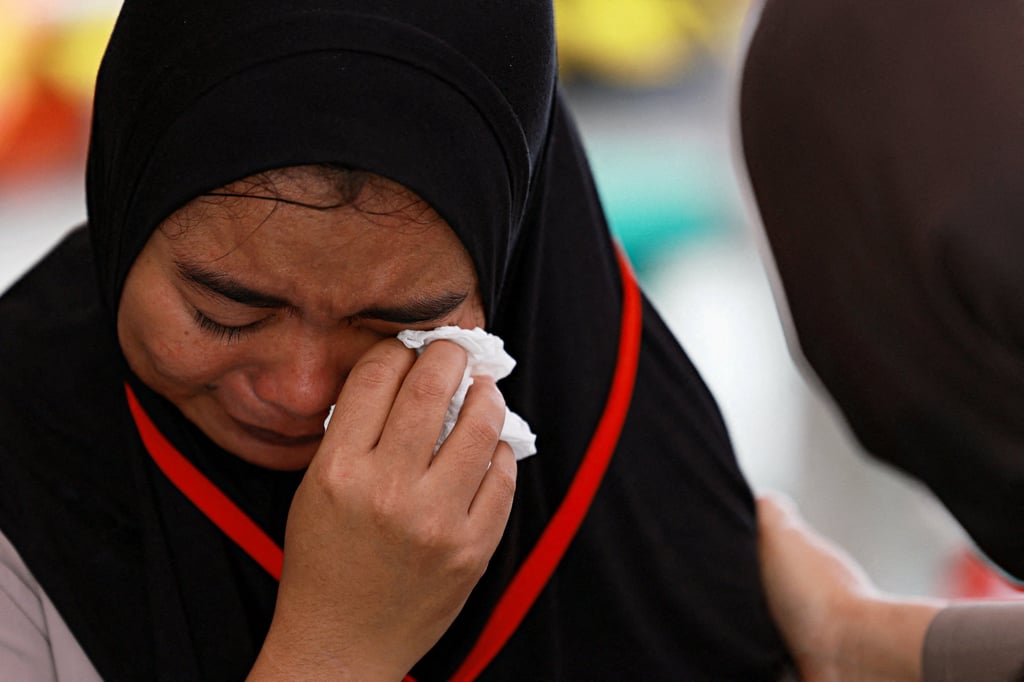
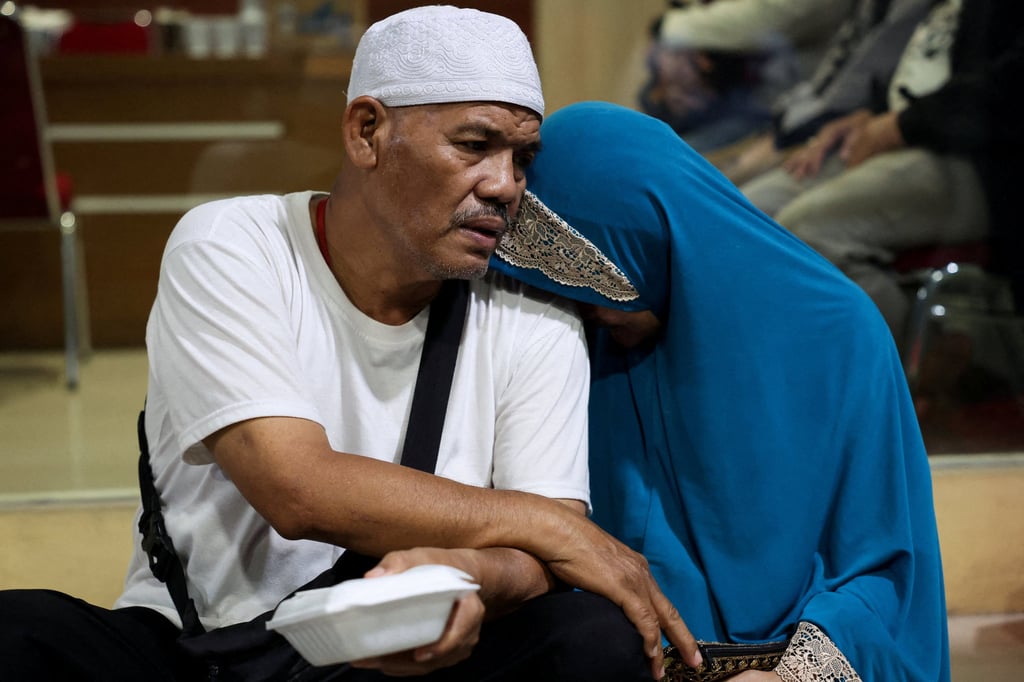
She added that the victims – mostly women – were “ordinary people” who deserved justice.
Poor safety record
Indonesia does not have a single source of official data on factory incidents, with government statistics instead tracking wider “workplace incidents”.
According to the Ministry of Manpower, which tracks approved worker claims across all industries, there were over 319,000 workplace accident claims in 2025.
Several other fatal fires have happened in Indonesian workplaces in recent years.
In December last year, a blaze at the seven-storey Terra Drone Building in Jakarta killed 22 people. The fire is believed to have been caused by an exploding lithium battery in a warehouse.
In 2023, an explosion at a nickel smelting plant in Central Sulawesi killed 21 people. In 2019, an illegal factory in North Sumatra that manufactured cigarette lighters ignited, killing 25 female workers and five of their children who had met their mothers at work.
Lina Syahfitri, an Indonesian domestic helper who lives in Langkat, the same regency where the illegal cigarette lighter factory was located, said the incident in Cikande had made her recall her appalling work experience shaving coconut flesh using an industrial shaving machine.
Syahfitri, who was previously taking care of elderly people, decided in 2024 to change jobs and work at a local coconut processing factory. The 45-year-old mother of four said she was tempted by the fixed hours, steady income and worker benefits such as paid time off and health insurance.
However, she quickly became disillusioned by the poor safety standards at the factory.
Recounting her “terrifying” experience, she said: “There were men who had worked there for years who had lost fingers in the machine. There were no gloves provided, and the machines had no safety mechanisms in place to stop us getting too close to the blades or turn them off quickly in an emergency.”
Over two weeks, Syahfitri said she heard many stories of injuries at the factory from her colleagues and feared that she could lose a finger or a hand.
“I handed in my notice and went back to being a domestic helper,” she said, adding that news of the Cikande fire made her feel it was the right decision.
“I would never work in a factory again, no matter the pay or benefits.”
Rizky Yudha Pratama, deputy secretary general of the Confederation of All Indonesian Workers’ Unions, said his organisation was calling for a comprehensive evaluation of the implementation of occupational health and safety standards at the factory in Cikande.
“There needs to be a thorough investigation to determine who is responsible. The investigation must not stop at merely identifying the technical cause of the fire. It must also be examined whether the company’s occupational health and safety management system effectively fulfilled its preventive functions as required.”
Pratama noted that under Indonesian criminal and labour laws, employers found criminally liable for safety violations resulting in a worker’s death or total permanent disability can face up to six years in prison.
The workers in Cikande were not with his union, and it was unclear whether the factory was unionised, Pratama said.
00:53
Indonesian train pushes flaming minibus down tracks after collision
A member of the search and rescue team working in Banten, who asked not to be named because of the sensitivity of the Fonusa Agung Mulia case and ongoing investigations, told This Week in Asia that the identification process had been labourious as the authorities were dealing with “body parts” and not intact remains.
“Because of the intensity of the fire and the prolonged duration it raged, many remains have been turned to ash,” he said.
The rescuer, who had taken part in similar operations at other fires in commercial buildings this year, said he was concerned about compliance with safety regulations at factories in Indonesia due to his experiences.
Citing a lack of basic fire extinguishers, as well as an absence of warning systems, sprinklers and emergency plans at many companies, he said these shortcomings arose partly because businesses balked at the cost of implementing adequate safety measures.
“Safety equipment is actually quite expensive, and so factories often prioritise the quality and quantity of their output rather than investing in safety measures,” he added.
KioskNews shows a cleaned-up reading view extracted from the publisher’s page — the original always lives on their site, not ours.