Most powerful obesity drug yet: People lost up to 25% of weight in trial
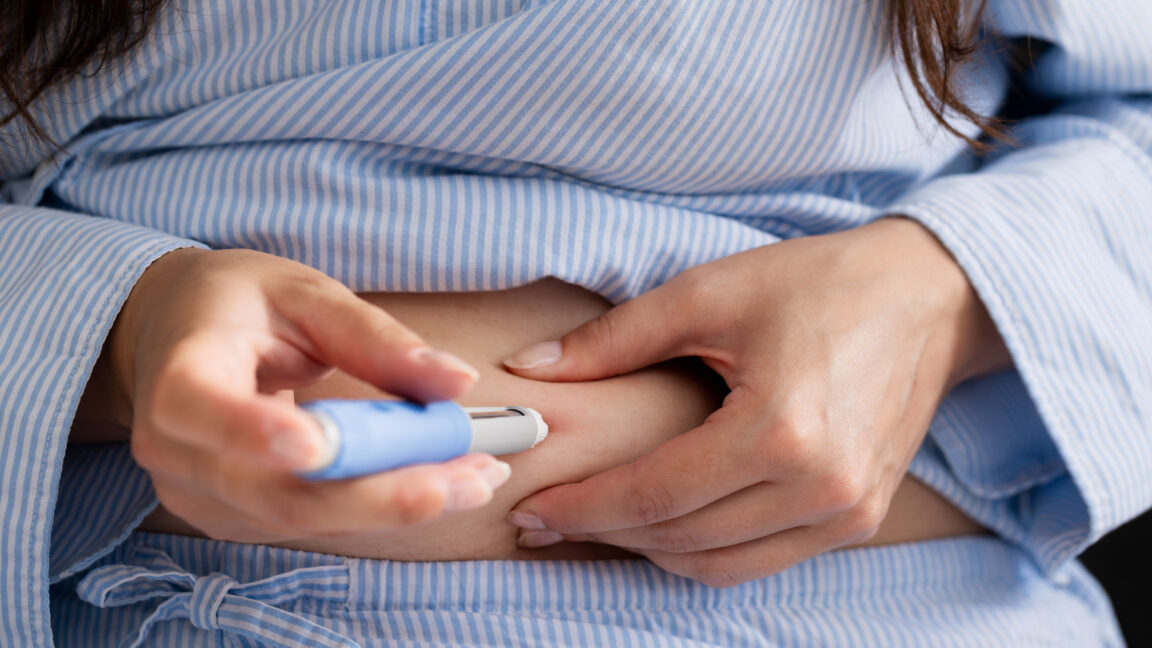
Retatrutide is being developed by pharmaceutical giant Eli Lilly, which also makes tirzepatide, a potent dual-acting treatment for obesity (Zepbound) and type 2 diabetes (Mounjaro). Both medications build on GLP-1-based obesity drug semaglutide (Ozempic/Wegovy) from pharmaceutical company Novo Nordisk. Tirzepatide targets not just GLP-1 (aka Glucagon-like peptide-1), but also GIP (aka glucose-dependent insulinotropic polypeptide).
Retatrutide builds on these drugs by adding glucagon to the combination of GLP-1 and GIP. All three are hormones that have overlapping roles in responses to food, helping the body regulate blood sugar levels, the feeling of fullness, how much we eat, and downstream metabolic factors.
The interplay among the three hormones is complex, and they have different activities in different places in the body and at different times. GIP is secreted by cells (K cells) in the first sections of the small intestine, right after the stomach. This hormone is best known for stimulating insulin release in response to glucose (sugar). But GIP has other activities, including triggering the degradation of triglycerides (a type of fat in the blood) and working in the brain to trigger the feeling of being full. It also has a role when blood glucose levels get too low. In that case, GIP stimulates an increase in glucagon.
Glucagon is a hormone released from alpha cells in the pancreas, and it acts counter to some of the main roles of GIP and GLP-1. Glucagon is best known for triggering the release of glucose and fatty acids into the blood, which it does when blood sugar levels get too low (hypoglycemia). But after meals, glucagon also seems to play a role in increasing insulin production, delaying stomach emptying, and regulating lipid levels.
GLP-1, the most famous of the hormones, is produced by cells (L cells) further down the gastrointestinal tract, namely at the end of the small intestine (the ileum) and the colon. GLP-1 works in response to sugar to increase the release of insulin. It delays stomach emptying and works in the brain to trigger the feeling of being full. It can also send signals to spur the degradation of lipids in fat tissue. Additionally, both GLP-1 and GIP can stimulate the release of another hormone, called adiponectin, which can help with insulin sensitivity and reduce inflammation.
KioskNews shows a cleaned-up reading view extracted from the publisher’s page — the original always lives on their site, not ours.