Underwater fridges to polyamory: How 3 animals store food for the winter

As American humans polish off the last of those Thanksgiving leftovers and approach the shortest and darkest days of the year, many of the animals around us are also thinking about food. Food storage, that is. To survive the long winter months ahead, many species have turned to ways to keep the bounty of summer going for as long as possible. Here are three.
Beavers: Underwater refrigerator
Nature’s engineers have arguably the coolest way to keep their food fresh during the winter. When the water gets cold, beavers (two species in the genus Castor) store nutritious green leaves and tree limbs underwater.
“Food caches or rafts are both under and over the water, you can see them sticking up, but mostly they’re stashing edible branches and leaves underwater and under the ice, so that in winter they can dive under and nibble the winter away,” Karen McDonald, an educational specialist at the Smithsonian Environmental Research Center tells Popular Science.
Their food can include everything from willow and aspen to cottonwood and maple. By keeping food underwater, beavers can keep it out of sight from above ground predators such as coyotes and wolves. This beaver version of a refrigerator also keeps the leaves fresh. They can access this frozen salad bar through an underwater entrance from their lodge. This way, they can come and go at will underneath the ice and water. The leaves also don’t necessarily freeze since the water underneath the ice typically stays thawed.
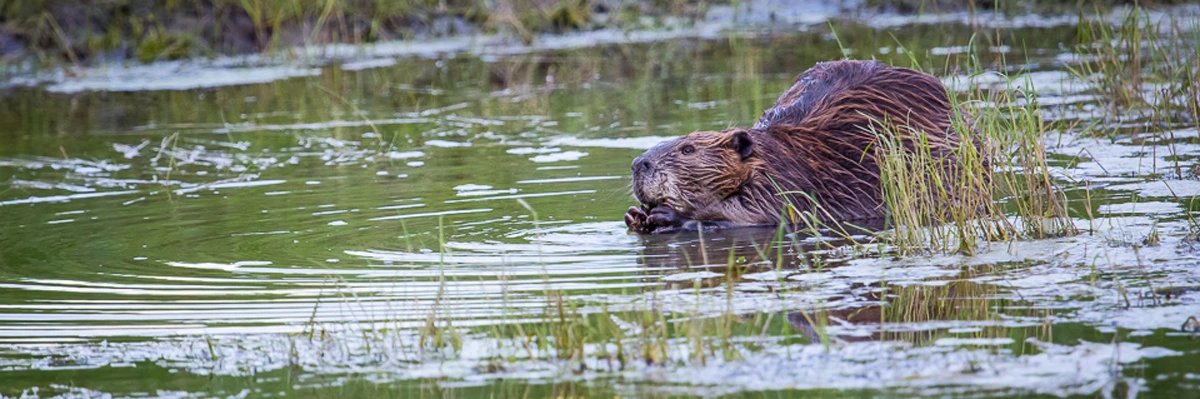
“The food has to be secured in place so it doesn’t wash away or float off,” says McDonald. “They do this similarly to how they build a dam: They cross a stash of branches in a formation to create a solid raft of munchies.”
However, souping up these caches is a lot of work, even for these very skilled builders. They spend a lot of energy creating these underwater caches, and must balance how much energy is spent with stored food.
“But it’s well worth it. [They’re] like the ultimate ‘preppers’ for each season,” McDonald says. “They benefit from the safety these caches provide, and their ability to feed their families throughout the winter.”

Acorn woodpeckers: Granaries and polygynadry
Like squirrels and many birds, acorn woodpeckers (Melanerpes formicivorus) also hoard nuts in trees. But unlike squirrels, they live in family groups that actively maintain these giant stockpiles. These granaries can even last for multiple generations.
“This is one of the weirdest bird social structure stories in the world. They practice polygynandry—or cooperative breeding,” McDonald says.
A group of acorn woodpeckers (called a decent) can include up to 15 individual birds. They do not live in paired couples, but instead engage in what McDonald describes as a “bird mating hoe-down.” The brother birds from one family of birds fly away and find a tree with sisters from another family of birds.
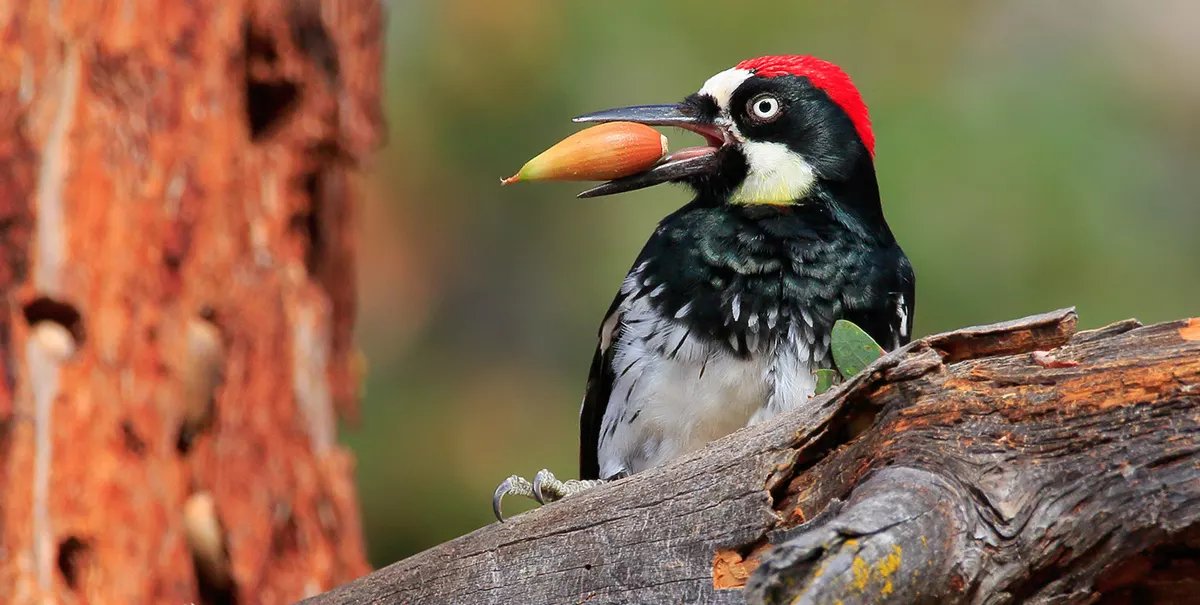
“So, it’s two different families meeting to dosey-doe,” McDonald explains. “All the brothers share all the sisters in mating, making it very much a social mating system.”
The woodpeckers defend their territory and drill thousands of geometrically arranged holes into the trees for their acorns. They will pick a nut, and then go from hole-to-hole to find the right fit. As the acorns dry and shrink, the birds move the acorns around and fit them in just right.
“The glue that binds the group is the investment they make in their holey tree, or granary tree. Granaries take many generations to build and invest in,” says McDonald. “They are bound by their ‘tree bond’ and group bond to stay in the area and defend their cache.”

Through the Lens: Acorn Woodpecker
Flying squirrels: Larder hoarding
Arguably the poster species for winter food storage, some squirrels can bury up to 3,000 nuts in one season. The commonly spotted gray squirrel (Sciurus carolinensis) tends to bury nuts and acorns across hundreds of sites. But flying squirrels (50 species in the family Sciurida) have an additional trick to stash their food called larder hoarding. They will hoard their nuts in one big pile around in various tree holes, crevices, cracks, and forks, similar to a kitchen pantry.
“Larder hoarding allows them to reduce the amount of time and energy they need to find food, and also reduces the chance they’ll get eaten by predators when going for their food,” McDonald explains. “Flying squirrels are mostly nocturnal, and sticking together helps them mitigate the risks associated with the nighttime, including the cold, darkness, and silent predators like owls.”
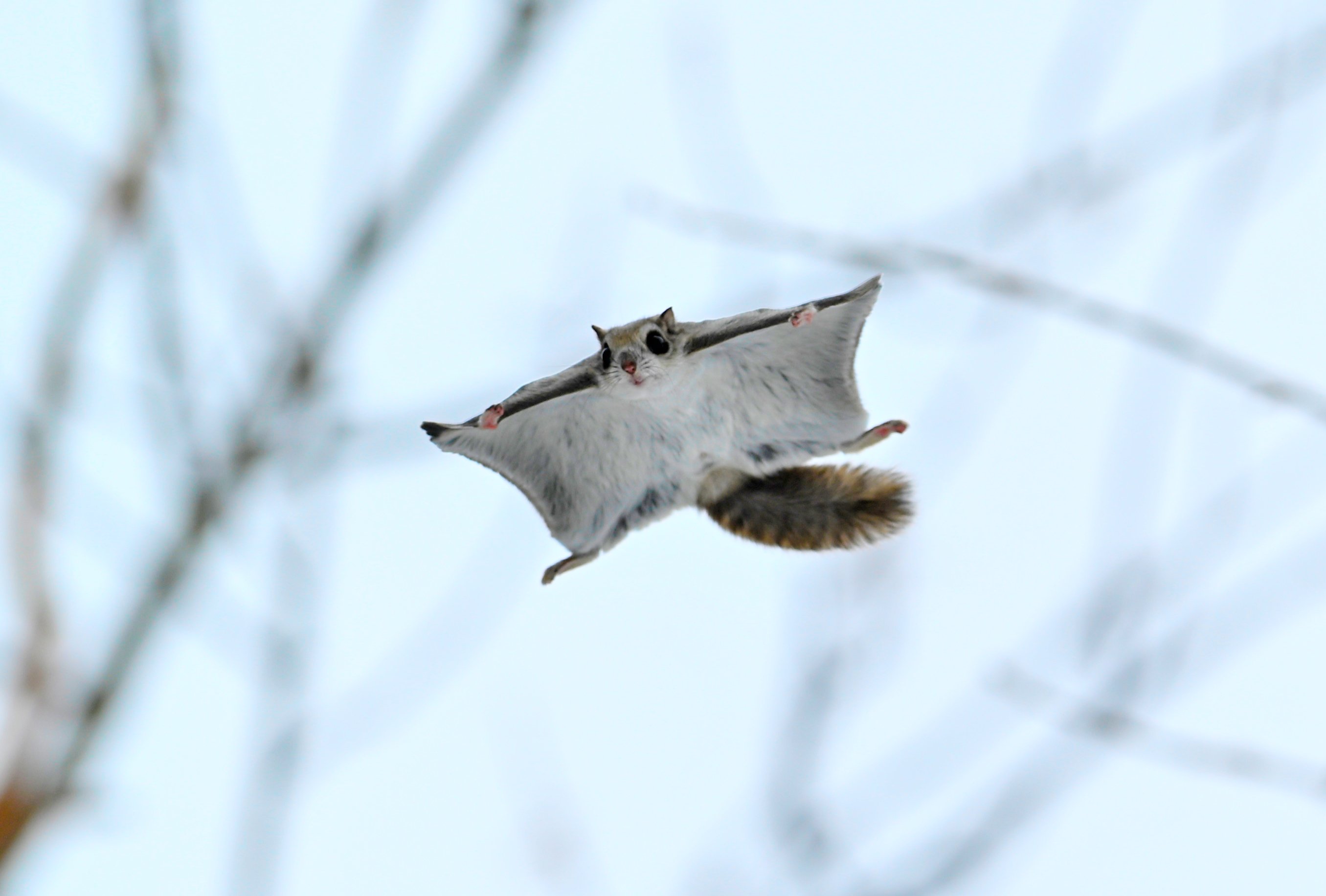
However, larder hoarding does come with some disadvantages. Food can spoil in the larder or it can be raided by other hungry animals. Spreading out the cache in addition to larder hoarding can help keep the flying squirrels fed.
These squirrels also don’t mind getting cozy during the colder months. They are solitary for most of the year, but get together in groups (or scurries) of four to twelve to share body heat.
“The exact numbers in each nest can vary, but winter cuddle-puddling is a good strategy for staying alive. However, the trade off is that the demand for food increases,” says McDonald. “Most people don’t realize [that] flying squirrels are actually pretty common. We never see them because they are nocturnal, so they are harder to spot.”

2026 Popular Science Home of the Future Awards
39 products that will improve your everyday life.
KioskNews shows a cleaned-up reading view extracted from the publisher’s page — the original always lives on their site, not ours.