UK should not shy away from the ‘moral purpose’ of foreign aid, new minister says
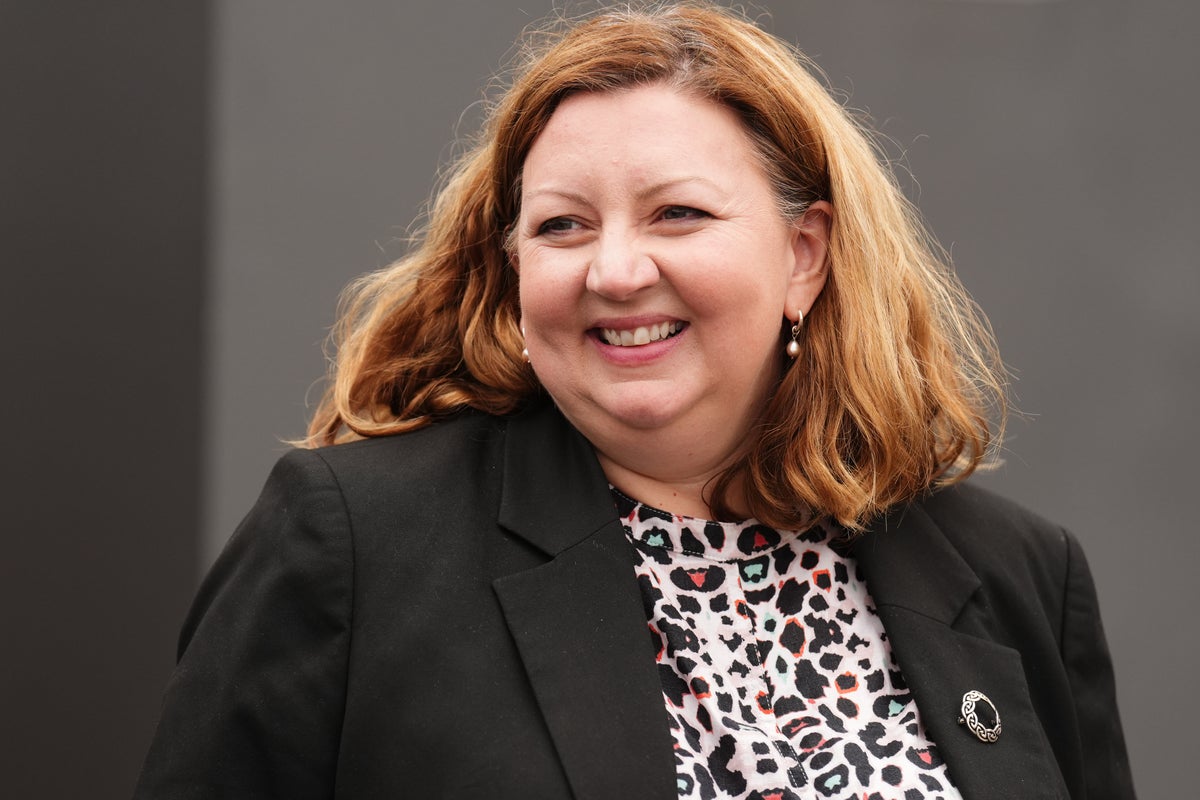
“Saving and changing lives” is set to the “new focus” of UK aid, the government’s new minister for development has said this week, as she outlined her ambition for a more “values-led” approach to UK development that emphasises moral purpose.
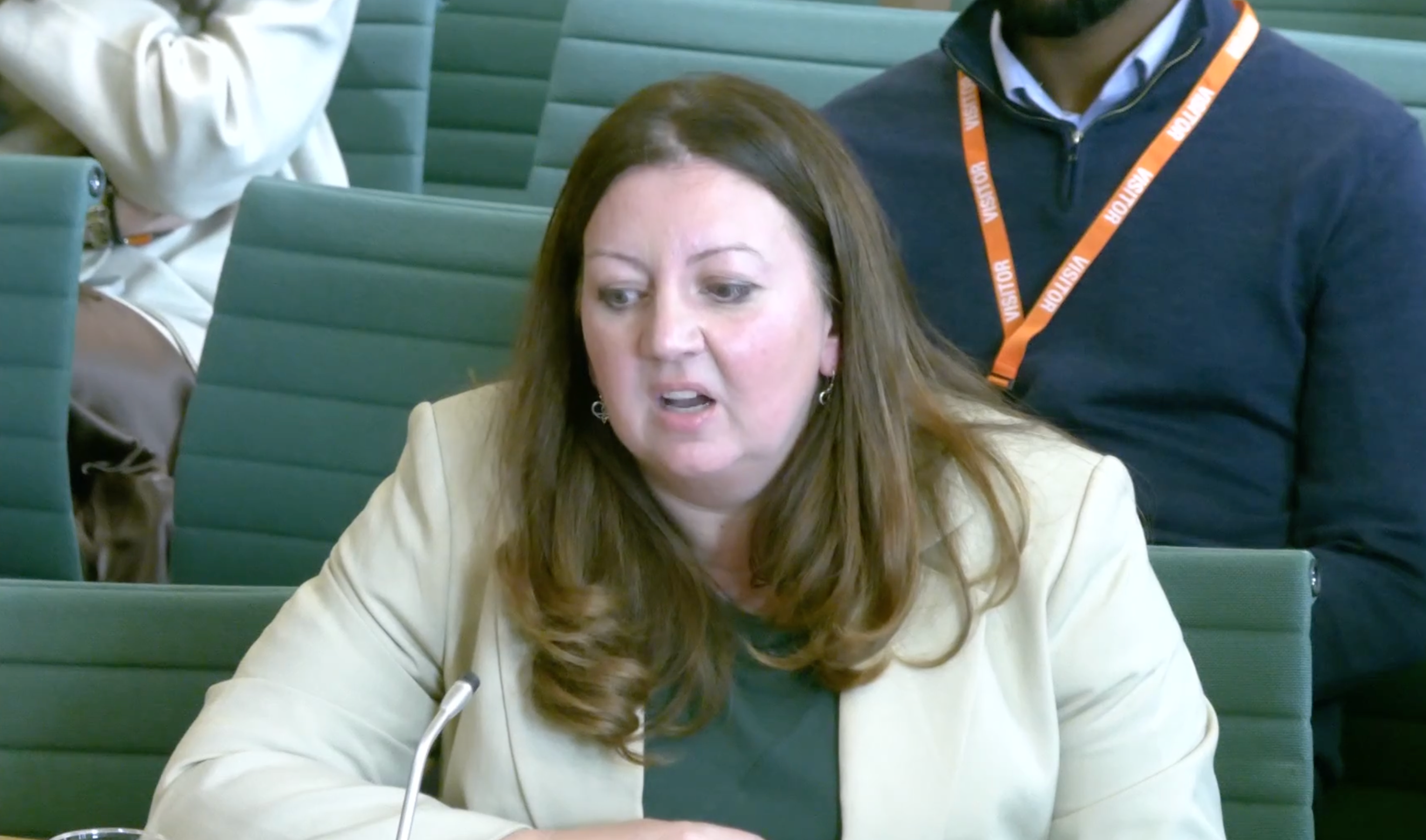
Kirsty McNeill, in position as minister for development and Africa since Andy Burnham became prime minister in July, started this week setting out her vision for UK aid, speaking at an event hosted by the New Economics Foundation (NEF), and giving evidence to the International Development Committee (IDC) on tuesday.
A veteran of NGOs including Save the Children and a former advisor to Gordon Brown, at both events Ms McNeill has emphasised that she is a “huge believer in aid”, and reaffirmed Labour’s manifesto pledge to spend 0.7 per cent of Gross National Income (GNI) on aid “when the fiscal circumstances allow it”.
Her predecessor, Baroness Jenny Chapman, oversaw a cut to the UK aid budget from 0.5 to 0.3 per cent of GNI, with the result that most African countries are to see their UK bilateral aid relationships all-but eliminated. The cuts have been decried as a “moral catastrophe” by MPs and aid groups.
Speaking this week, Ms McNeill - MP for Midlothian in Scotland since 2024 - said that she would stick to her predecessor’s aid spending allocations, in addition to strategic directions such as a broader move from “donor to investor”, as well as an Africa strategy that was announced in December 2025.
Among several areas of “new focus”, though, Ms McNeill told the IDC that she would be “unapologetic about a values-led approach” to development, where the “core purpose… is to save and change lives overseas in our partner countries”.
Elaborating further on her thinking, she argued that skepticism to aid “comes from a place of effectiveness of our development spend, not its underlying moral purpose”. Her focus, therefore, will be to emphasise that “moral purpose” while also gathering stronger evidence for its effectiveness.
“Underlying experiences are universal because we all know what it's like to worry about our homes or our families or our safety,” Ms McNeill said during her NEF speech at Monday. “So when we learn about what happens overseas, I think something stirs in us, and it starts just because they are human too.”
On the subject of aid, the UK now needs to make the case that “through this wonderful act of pooling our resources [we can] do something amazing… That we save children's lives, whether it's through access to clean water, or whether it's through immunisation, or whether it's access to food,” she said.
A further priority for Ms McNeill will be around emphasising “who development is for”, she said. The Foreign, Commonwealth and Development Office (FCDO) will retain a focus previously championed by former foreign secretary Yvette Cooper on women and girls - but also now focus on the rights of children.
“I have telegraphed quite clearly that a focus on children's rights and opportunities for young people will be a big focus,” she said.
Her announcement comes just weeks after representatives for Unicef, the UN agency for children, told The Independent that children were falling “through the cracks” of the UK’s development agenda.
“Children are not a top priority for the British government in its international work right now, which is disappointing, considering how ministers are always keen to interact with children on field visits, and the public tend to care a lot about the fate of children,” said Lucy Gordon, head of international policy at Unicef UK, told The Independent at the time.
Committing to aid allocations announced under Baroness Chapman will mean that the UK will continue to focus on supporting multilateral institutions like the World Bank and the UN at a time when they are under attack from some quarters, Ms McNeill said.
The announcement that Ed Miliband, now foreign secretary, will take up the UK’s position on the board of the World Bank reflects this position, she said.
“International development is not an add-on to British foreign policy – it is central to it," Mr Miliband said upon the announcement of the news. “By taking on the role of UK governor to the World Bank, I want to send an unambiguous signal that this government is serious about its global leadership on development and climate.”
Speaking on Tuesday, Ms McNeill said to expect to see the UK prioritising the development agenda at the UN General Assembly next week, as well as at the World Bank-IMF Autumn meetings, and at November’s COP climate conference in Turkey.
There has been some disappointment that the development secretary will no longer be attending cabinet, which is something that occurred under Keir Starmer. But Ms McNeill said that she was “profoundly relaxed” about this status quo.
“I am not particularly motivated by the status of whether I'm in the cabinet or not,” she told the IDC, adding that she believes “cross-government conversations” can be secured elsewhere.
“We have a development representative in the cabinet in the form of the foreign secretary, and [he] could not have been clearer that… development and climate are right at the heart of British foreign policy,” she added.
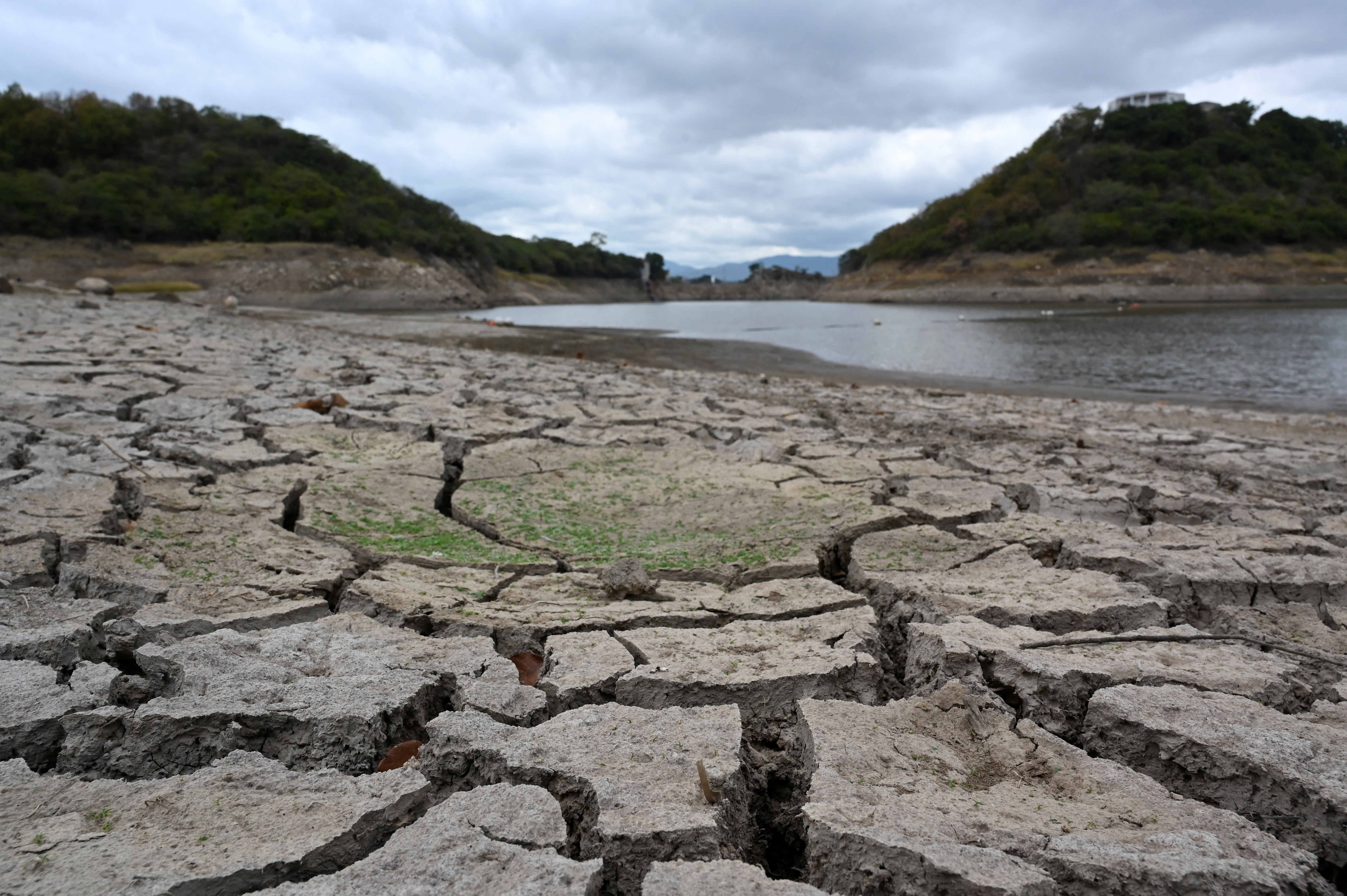
Alongside public speaking engagements from the new minister, FCDO announced this year that it would make available up to £15 million to support communities around the world in anticipation of the impacts of the super El Niño climate event, which is expected to wreak havoc for the world’s poorest.
The announcement comes after MPs from across Parliament called on the government in The Independent to rethink the UK’s substantial aid cuts to Africa given the expected impact of the record-breaking weather event, which is expected to push 50 million more people into life-threatening ‘acute’ hunger, while also threatening the livelihoods of 500m smallholder farmers.
Following on from Ms McNeill’s comments, Romilly Greenhill, CEO of Bond - which represents UK NGOs - said that the they welcomed the “clear emphasis on the need for global co-operation to tackle shared universal challenges” but added that the government should be clear about when it will return to higher levels of aid spend.
“We urge [the minister] to work with the Chancellor and Prime Minister to ensure that the Autumn Budget definitively rules out any further cuts to the UK aid budget, and to set out a clear timeline for a gradual return to 0.7 per cent of GNI,” Ms Greenhill said.
This article was produced as part of The Independent’s Rethinking Global Aid project
KioskNews shows a cleaned-up reading view extracted from the publisher’s page — the original always lives on their site, not ours.