10% Water Cut In Mumbai, Yet Civic Body Wants To Spend Over Rs 8 Crore For Road-Washing
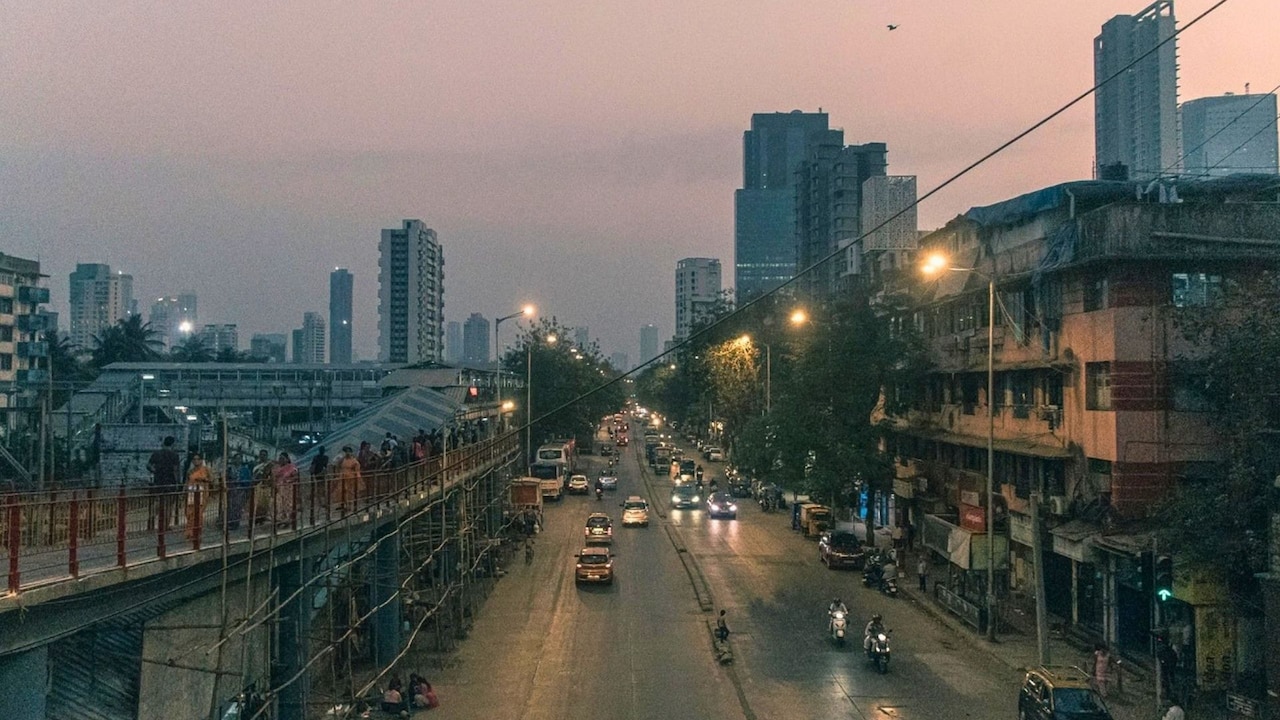
At a time when Mumbai is on the edge after facing a 10 per cent cut in water availability, the country's richest civic agency, BMC, plans to spend Rs 8.25 crore on a road-washing drive. This has raised many questions.
Under the proposal, 377 dirty roads totalling nearly 677 km across Mumbai are planned to be washed. The expenditure will include the cost of road-washing as well as arranging water tankers.
The Brihanmumbai Municipal Corporation (BMC) says recycled water and not potable water would be used for the road-washing drive since the goal would remain the same i.e. conservation of drinking water.
Still, given Mumbai's current water situation, the plan has led to a controversy.
Standing committee chairman Prabhakar Shinde has sought an explanation from the civic administration over the proposal. Shinde has questioned the priority of spending on road-washing at a time when Mumbai is facing water supply restrictions.
He said citizens' basic water requirements should come first.
The proposal has put the BMC's water-use priorities under scrutiny, particularly over whether road-washing should be done while the city is dealing with a shortage of water.
The decision to cut 10 per cent water supply came yesterday in response to a deficit rainfall attributed to the persistent El Nino phenomenon. Maharashtra Water Resources Minister Girish Mahajan directed all urban local bodies (ULBs) across the state to implement a minimum 10 per cent mandatory water cut with effect from October 16.
The decision follows micro-level reservoir and consumption planning undertaken by the Water Resources Department, aimed at stretching available water reserves until August 31, 2027.
Drought conditions have already been declared in 265 talukas. Local bodies have also been instructed to launch targeted drives to plug leakages and operate sewage treatment plants (STPs) at maximum capacity.
Treated wastewater must be reused exclusively for gardening, construction and washing purposes, the minister said. Agricultural irrigation will receive the remaining water only after meeting human, livestock and fodder requirements.
Irrigation supply will prioritise winter (rabi) cereal and fodder crops, followed by other rabi crops. The approval for perennial crops will be granted only if surplus reserves remain available.
Micro-irrigation and water-saving methods are being strongly promoted. Industrial clusters have been directed to recycle and reuse a minimum of 30 per cent of their total water consumption.
KioskNews shows a cleaned-up reading view extracted from the publisher’s page — the original always lives on their site, not ours.