These iOS settings will help you control your mobile data use

Avoid data overage charges or speed thorttling with these iOS settings.

Yarrrrrbright/Shutterstock
Cellular connectivity is now fast and reliable enough to rival home broadband, especially with 5G. But telcos typically aren't as generous about data allowances. If you don't watch your data use, you may end up with hefty bills — if your telco charges for excess data — or painfully slow speeds once you exceed your monthly allowance. You consume cellular data not just when you're downloading a file or watching a video, either: background app refresh, app updates and cloud syncing can also eat into your data allowance bit by bit.
The iPhone offers a handful of built-in settings that can help you monitor and manage mobile data use. Firstly, you can view a list of apps and how much data they use by heading to Settings > Cellular, scrolling down to the Cellular Data section and tapping on Show All. This will list mobile data use for individual apps you have installed. You can sort these apps by name or usage to quickly identify which ones consume the most data.
Tap the toggle next to any app to prevent it from using cellular data. The app will stop updating its content in the background when you're not connected to Wi-Fi and might also stop sending you notifications. The next time you launch the app, it will alert you that mobile data has been turned off for the app and give you the option to re-enable it.
Limit mobile data consumption on iOS
Adnan Ahmed for Engadget
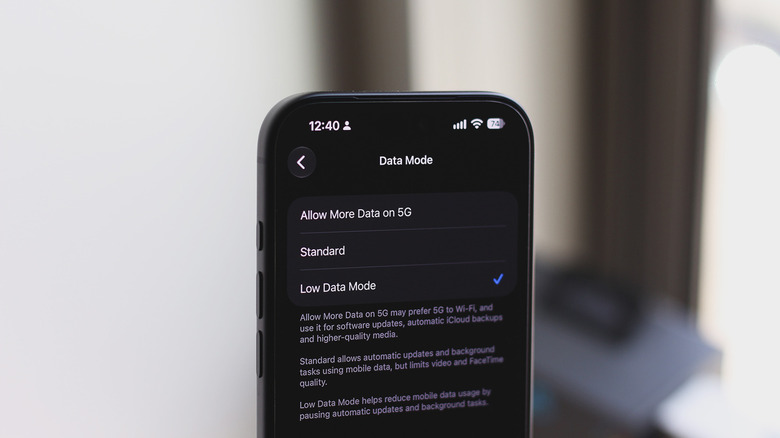
If you rely mainly on Wi-Fi, turning off mobile data can prevent data usage and reduce battery drain. Navigate to Settings > Cellular to toggle Cellular Data on or off. iOS also lets you limit data consumption, so you can keep cellular data on without exhausting your monthly allowance as quickly. In Cellular settings, navigate to Cellular Data Options > Data Mode and select Low Data Mode. This setting might be set to Standard by default, which allows automatic updates and background tasks even when you're not on Wi-Fi. Low Data Mode restricts this, reducing your mobile data use.
Being connected to Wi-Fi doesn't guarantee that your iPhone won't consume mobile data. Head to Settings > Wi-Fi, scroll down and turn the Connectivity Assist toggle off. Before iOS 27, this feature was called Wi-Fi Assist and could be found under Settings > Cellular. The feature keeps your iPhone constantly connected to the internet, but it uses mobile data to do so. When a Wi-Fi connection becomes too weak or busy, Connectivity Assist switches to cellular data to keep you connected to the internet. If you don't mind potential disruptions, turning this feature off may reduce unexpected mobile data use.
Other ways to reduce mobile data usage
Adnan Ahmed for Engadget
Beyond the Settings app, there are other ways you can restrict mobile data use on your iPhone. For starters, changing automatic update behavior can help avoid unexpected cellular activity. Navigate to Settings > Apps > App Store and, under the Mobile Data section, turn the Automatic Downloads toggle off. Open the Settings app, tap on your name at the top, navigate to iCloud > iCloud Backup and make sure the Back Up Over Mobile Data toggle is unchecked.
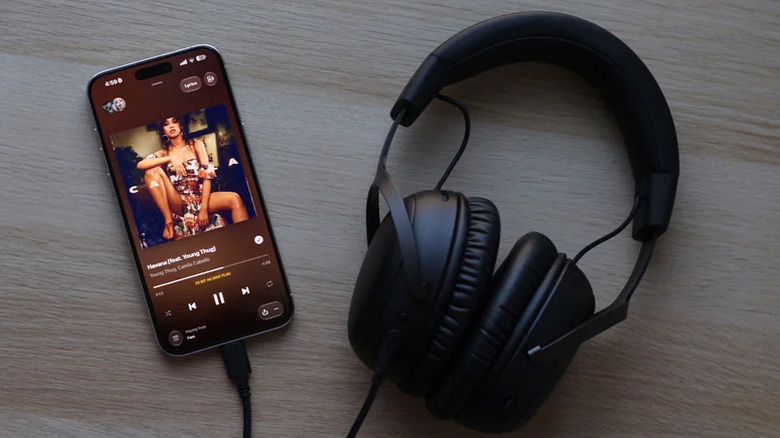
If you stream music regularly, check the audio quality in your app of choice. Apple Music users can find this option by navigating to Settings > Apps > Music > Audio Quality > Data Streaming. Lossless audio may provide a superior listening experience, but it is an absolute data hog. Other apps, like Tidal, Spotify and YouTube Music, also let you reduce audio quality when using mobile data. Lowering video quality to 720p on YouTube can also help manage data consumption. You can also reduce how much data your navigation apps use by downloading maps for offline use; both Apple Maps and Google Maps let you do so.
Lastly, you can look for toggles and features in third-party apps designed to reduce cellular usage. For instance, you can stop WhatsApp from automatically downloading media from new chats by tapping your profile picture, navigating to Storage and data and setting the Media auto-download option for photos, videos and documents to Wi-Fi. Instagram fans can find a Use less mobile data toggle by opening the app's settings page and navigating to Media quality.
KioskNews shows a cleaned-up reading view extracted from the publisher’s page — the original always lives on their site, not ours.