How years of thin investment have stalled Germany’s rail network as China’s speeds ahead
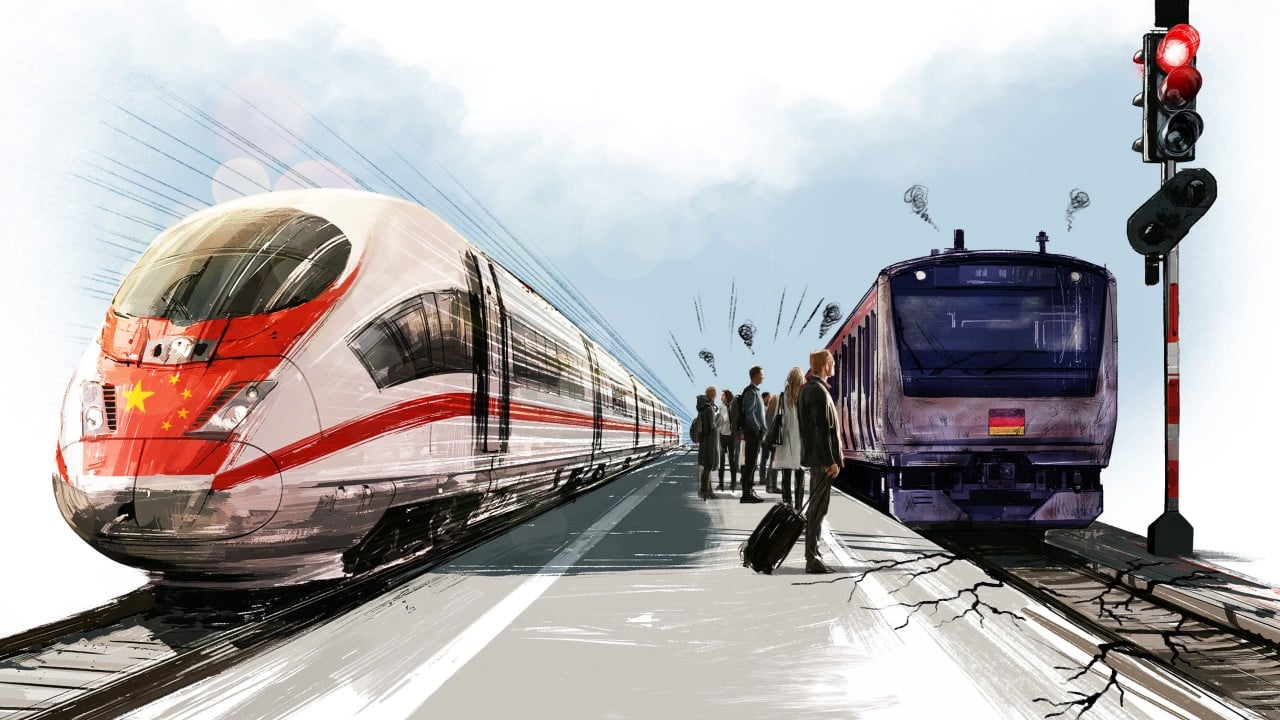
Wang Xixi still remembers her first experience with Germany’s trains 21 years ago. It left her with a question: how could a railway be so empty, clean and punctual, and still make money?
The carriages were bright, the toilets almost spotless and the fittings modern. During four years as a student in Bavaria, travelling on a regional rail pass, she barely remembers a delay.
At the time, China’s high-speed railway network was just getting started, while Germany was a major exporter of the technology. Siemens sold China 60 trains capable of 300km/h (186mph) in 2005.
Wang never expected that, years later, delays would become routine on Germany’s railways – sometimes minutes, sometimes hours. The reasons run the gamut: a train ahead blocking the track, faulty points, signal failures, speed restrictions imposed where tracks have worn out. Most point back to an ageing and overloaded network.
KioskNews shows a cleaned-up reading view extracted from the publisher’s page — the original always lives on their site, not ours.