‘At some point it’s going to be too much’: global financiers grapple with AI risks
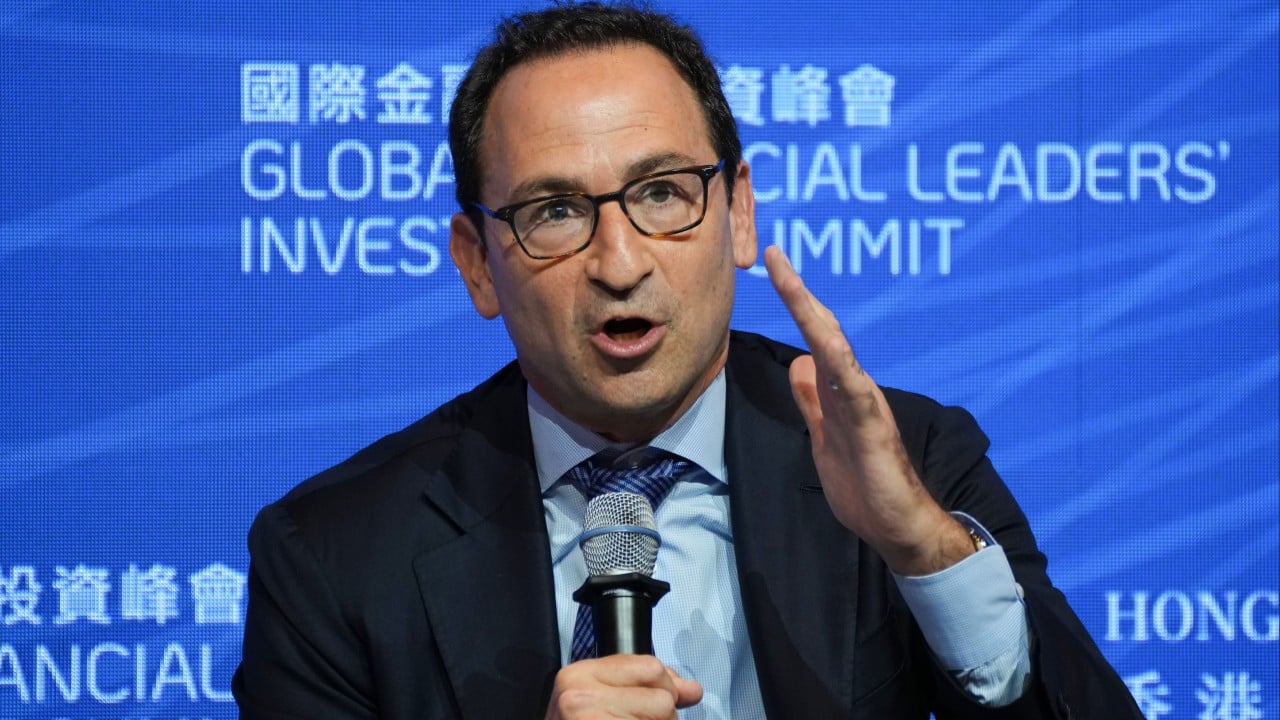
The artificial intelligence boom is creating an unprecedented demand for capital and infrastructure, raising questions about whether debt markets, power grids and corporate productivity can keep pace with the technology’s expansion, executives of global asset management firms warned at a Hong Kong summit.
Investment in AI infrastructure could reach US$10 trillion over the next five years, approaching the size of the US$12 trillion US bond market, said Emmanuel Roman, CEO of Pimco.
“At some point in time, it’s going to be too much,” Roman said in a panel discussion during the Global Financial Leaders’ Investment Summit. He compared the transformation to the Industrial Revolution in Britain in 1760 and pointed out that rising interest rates or intensifying geopolitical tensions could trigger a downturn.
Meanwhile, the scale of AI funding requirements was changing the nature of risk calculations for investors, said Jonathan Gray, president and chief operating officer of Blackstone.
Demand for computing infrastructure was running ahead of supply, with projects backed by 15- to 20-year contracts from major technology companies, he said during the same discussion. But debt investors were not positioned to share in the potential upside if those companies succeeded, he said.
“You’re playing for repayment and coupon,” he said.
The next challenge was delivering enough computing capacity to meet demand, according to Bob Prince, co-chief investment officer of Bridgewater Associates, who said in a separate panel that supply for AI inference could increase 30-fold by 2028.
About US$2 trillion in annual revenue globally would be required to absorb such capacity, he said, adding that Bridgewater remained “super bullish” on AI and was heavily invested in the technology.
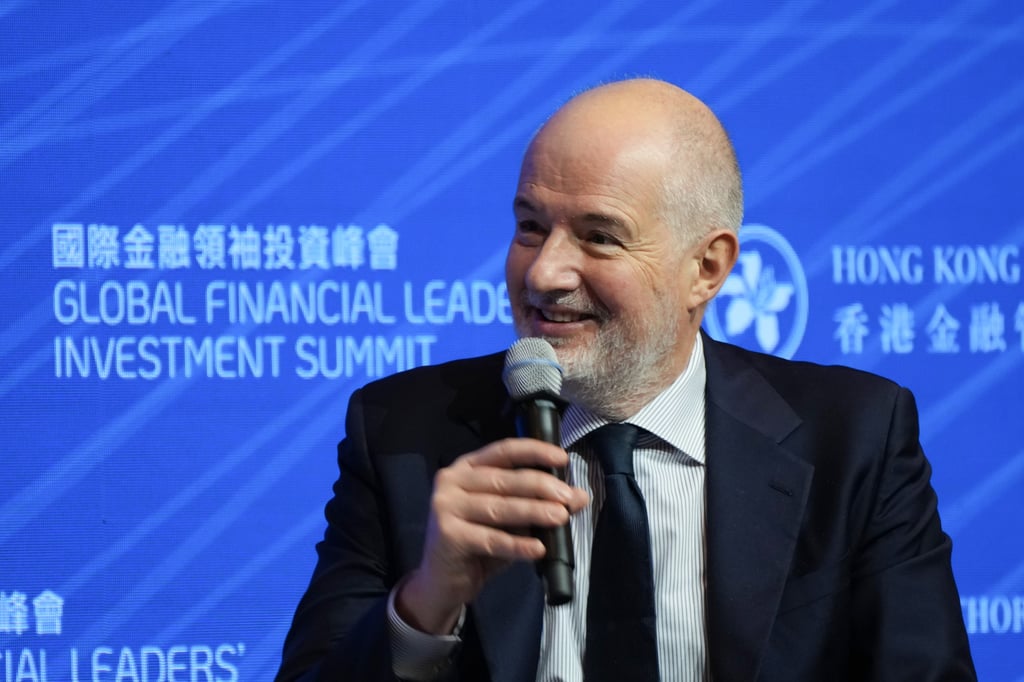
Electricity, rather than computing equipment, could prove to be the biggest constraint, said Bruce Flatt, CEO of Brookfield, noting that new power generation, including nuclear plants, could take seven years to build. He nevertheless called the shortage “the opportunity of a lifetime” for infrastructure investors able to deliver new supply.
During a panel on whether AI actually boosts productivity, Franklin Templeton CEO Jenny Johnson said that the main obstacle was often getting employees to adopt the technology, rather than the technology itself. AI had allowed the firm’s distribution staff to serve 23 per cent more clients, translating into 11 per cent more sales, she said.
Ultimately, the investment case rested on whether companies could turn AI spending into lasting efficiency gains, said General Atlantic CEO Bill Ford, adding that technology cycles typically involved “about five years of disruption” before delivering returns over the following 20 to 30 years.
JPMorgan Chase vice-chairman Daniel Pinto said he remained bullish on AI’s productivity potential, but warned that revenue growth needed to justify current valuations could be “a bit too fast”. A correction in AI stocks could spread to other sectors, he said during a separate panel.
KioskNews shows a cleaned-up reading view extracted from the publisher’s page — the original always lives on their site, not ours.