8 Action Movie Sequels That Were Bigger Than The Originals Ranked, Including Fast Five

Senior Music Editor at Screen Rant, Sarah's love of sound and story drive the beat. A globetrotting brand whisperer and award-winning journalist, she’s built cross-cultural narratives around the world—but music has always been her true north. She launched DJ Mag North America, successfully introducing the iconic UK brand to the U.S. market. Previously, she carved a space for EDM inside the pages of VIBE, blending electronic and hip-hop culture long before it was trendy.
There is a special kind of action movie sequel that makes you wonder how the original ever seemed so big. The first film might have a handful of memorable fights, a terrific chase, or one villain worth fearing. Then the follow-up arrives with enough ambition to make all that look like a rehearsal.
Hollywood has spent decades trying to make lightning strike twice, with mixed results. Some follow-ups are better films, as the arguments surrounding movie sequels that surpass The Dark Knight demonstrate. But quality and scale are separate questions. A sequel can be louder, longer, and vastly more expensive without becoming anyone's favorite installment.
For this ranking, bigger means a genuine expansion in spectacle, stakes, world-building, or filmmaking ambition compared with the first movie in its series. Budget matters, but the leap needs to be visible on-screen. Some of these sequels reinvented their franchises entirely. Others found room for astonishing action inside stories audiences already loved. All eight made the originals feel suddenly intimate.
8 Bad Boys II (2003)
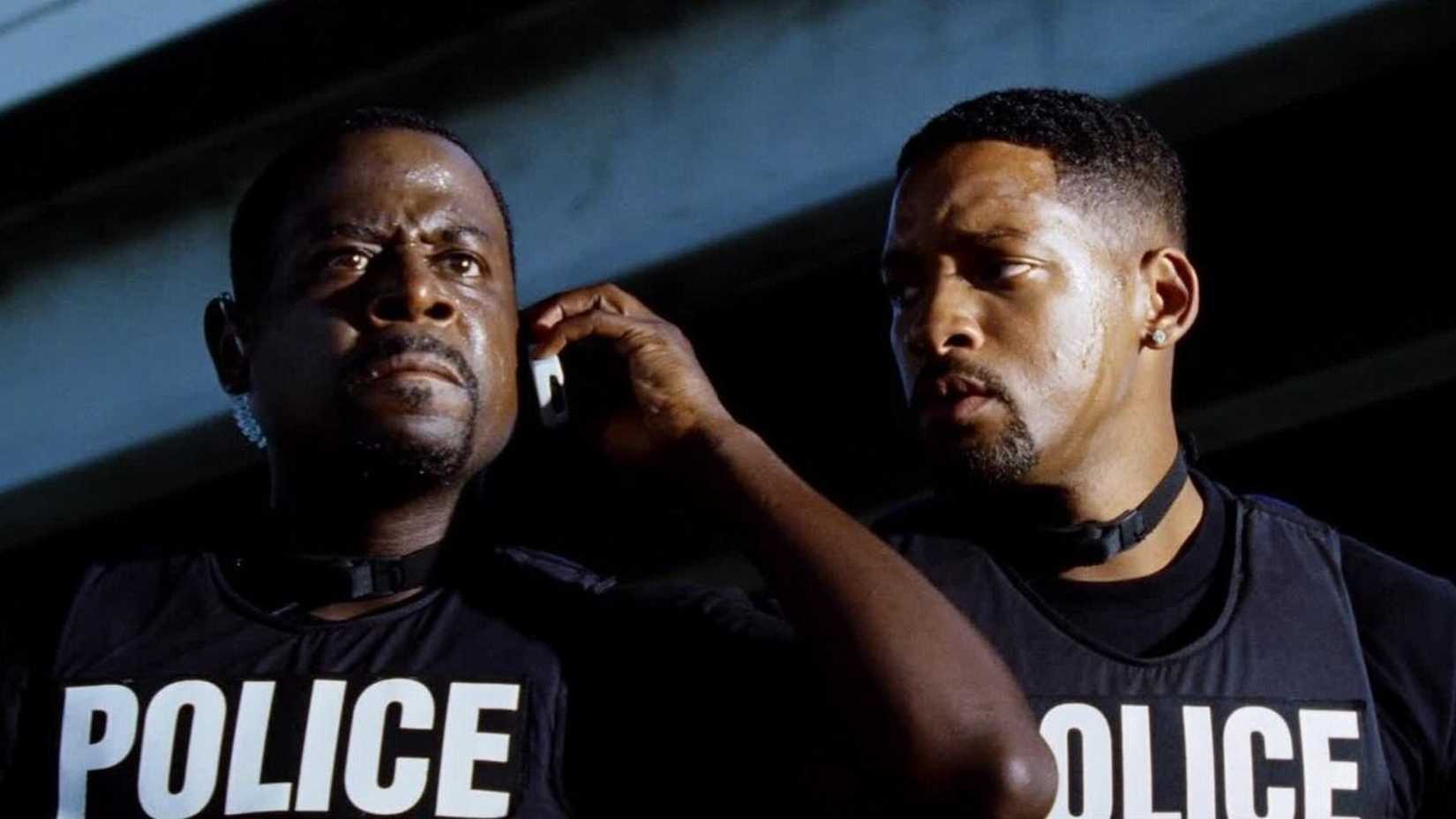
Michael Bay apparently watched 1995's Bad Boys and decided Miami had too many buildings still standing. The first movie made stars of Will Smith and Martin Lawrence as mismatched narcotics detectives Mike Lowrey and Marcus Burnett. Its sequel hands them a larger playground, along with the sort of production budget that encourages terrible decisions involving expensive cars.
Bad Boys II turns a relatively contained buddy-cop thriller into a two-and-a-half-hour demolition derby. Cars tumble off a transporter during its freeway pursuit, a nightclub raid becomes a full-scale firefight, and the finale moves the action all the way to Cuba. Bay makes the escalation impossible to miss.
Whether bigger means better is another matter. The sequel sacrifices the original's easygoing charm for relentless excess, and its length can be exhausting. Still, few action franchises have ever made a more aggressive jump in sheer size. It's the lowest-ranked entry here because the spectacle occasionally seems to overwhelm the movie carrying it.
7 The Raid 2 (2014)
Gareth Evans built 2011's The Raid around a brutally simple proposition: a police squad enters an apartment tower controlled by a crime lord and must fight its way out. The setting is claustrophobic, the plot barely pauses for breath, and every floor offers a fresh opportunity for disaster. There is little reason to expect the sequel to go anywhere else.
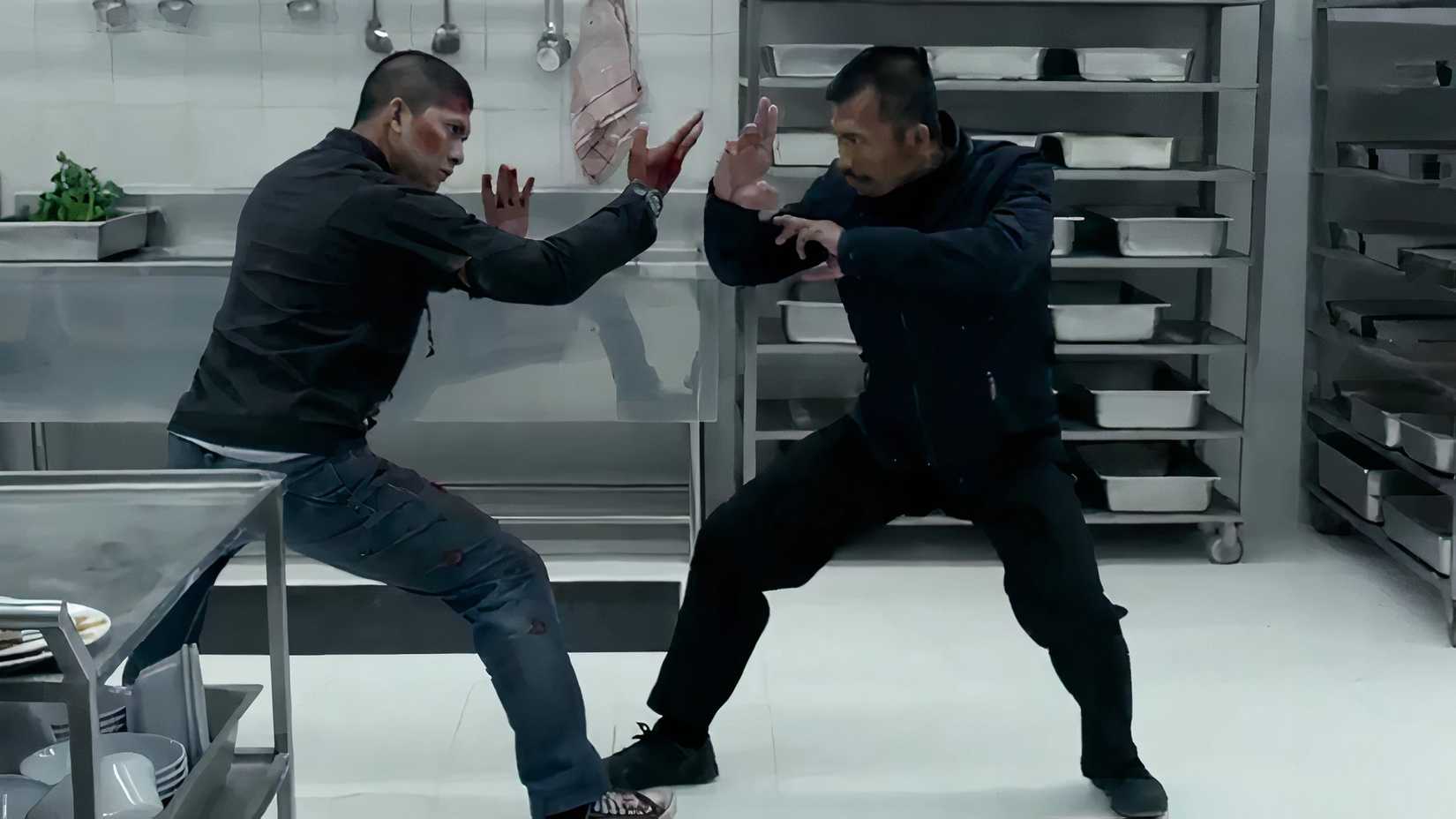
Instead, The Raid 2 leaves the building behind. Iko Uwais' Rama goes undercover inside Jakarta's criminal underworld, and the resulting story stretches across rival syndicates and years of betrayal. A mud-soaked prison-yard brawl and an intricate car chase make the case for the film's place among cinema's great martial arts fight scenes.
The film's kitchen showdown remains the real knockout. Evans draws out the fight until every movement hurts, then finds yet another vicious surprise in its inventive knife choreography. The original was a perfect pressure cooker; the sequel proves its martial-arts intensity could survive outside those four walls.
6 John Wick: Chapter 4 (2023)

Remember when John Wick was about a retired assassin seeking revenge for his dog? That refreshingly direct premise powered the lean 2014 original. By the fourth installment, John is challenging the international High Table, and the underworld that once fit inside a New York hotel has sprawled across continents.
Director Chad Stahelski takes the action through Osaka, Berlin, and Paris, making each location feel like a new endurance test. An overhead shootout using incendiary rounds looks like a violent video game come to life. The traffic-circle battle around the Arc de Triomphe somehow makes that sequence seem almost restrained.
The American-made martial arts movies of recent decades owe plenty to the original John Wick, but Chapter 4 pushes its particular blend of gunplay and close-quarters fighting to operatic extremes. It runs almost three hours and earns a surprising amount of that time. The small revenge film has become an international action epic.
5 Aliens (1986)

Ridley Scott's Alien was a haunted-house movie in space, with one creature methodically hunting the crew of the Nostromo. James Cameron's Aliens takes the surviving Ellen Ripley (Sigourney Weaver) back into danger, this time alongside heavily armed Colonial Marines. One terrifying monster becomes an entire colony's worth of nightmares.
The expanded cast allows Cameron to stage firefights, military disasters, and a last stand against the Alien Queen. Yet the most important change is what happens to Ripley. Her bond with young Newt gives the final confrontation an emotional charge that ammunition alone could never supply.
There is a reason Aliens belongs in conversations about horror sequels that outshine their originals, even though it leans so heavily into action. Cameron trades Scott's suffocating silence for overwhelming force without making the threat any less frightening. It's an extraordinary genre pivot, although the intimacy of the first film remains part of its power.
4 Top Gun: Maverick (2022)
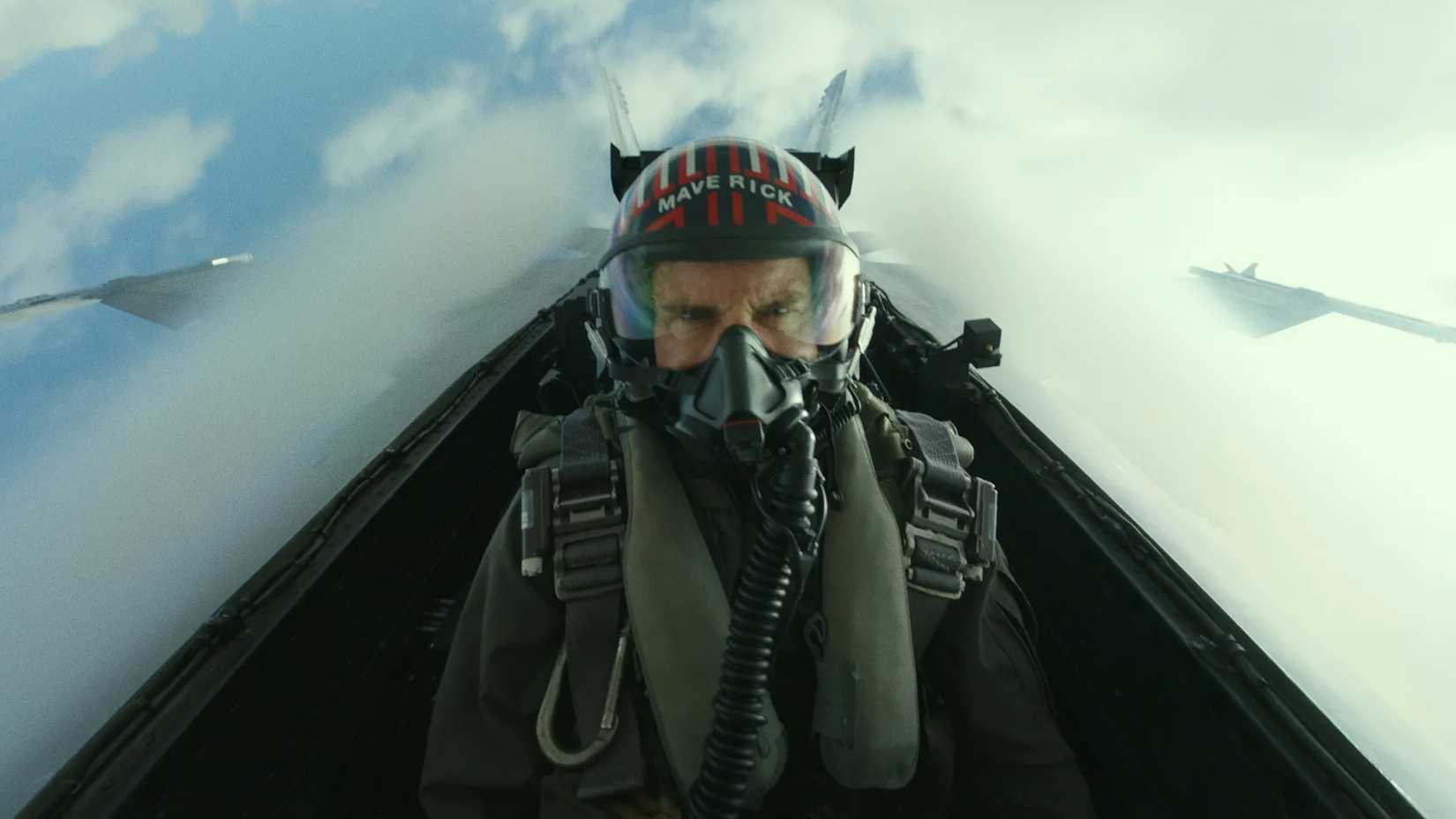
The original Top Gun captured the swagger of elite naval aviation, and its dogfights looked spectacular in 1986. Top Gun: Maverick gives the flying an entirely different purpose. Tom Cruise's Pete Mitchell must prepare a new generation of pilots for a near-impossible strike mission, turning every training exercise into a countdown.
The sequel's commitment to practical aerial action is its biggest advantage. Cameras were mounted inside real Navy F/A-18s, while trained military pilots flew the actors through maneuvers that put physical strain on their performances. Director Joseph Kosinski makes the audience feel every climb, turn, and terrifyingly narrow margin for error.
The movie also understands that bigger stakes need a human anchor. Maverick's unresolved guilt over Goose and his relationship with Rooster give the mission its emotional weight. The result was a global box-office phenomenon that transformed a beloved 1980s hit into one of the defining big-screen events of the 2020s.
3 Fast Five (2011)

The first Fast and Furious film, released in 2001, was a relatively grounded undercover crime story with a street-racing obsession. Ten years later, Dominic Toretto and Brian O'Conner are tearing through Rio de Janeiro with a stolen bank vault bouncing behind their cars. The franchise has never looked back.
Justin Lin's Fast Five brought familiar characters together for an elaborate heist, introduced Dwayne Johnson's relentless agent Luke Hobbs, and effectively changed the series' job description. The racing was still there, but it now served a globe-trotting action franchise rather than defining one. The production budget also dwarfed that of the original.
That outrageous vault chase captures the transformation, especially because so much of it happened for real. In an interview with Screen Rant, stunt coordinator Jack Gill explained the different physical vaults built for the sequence. Fast Five ranks this high because it changed what audiences expected a Fast and Furious movie to be.
2 Mad Max: Fury Road (2015)

George Miller made the original Mad Max in 1979 with a famously tiny budget, Australian back roads, and a young Mel Gibson. Its car chases were rough-edged and resourceful, with a sense of danger born partly from what the filmmakers could barely afford. Thirty-six years later, Miller returned to his wasteland with a very different set of resources.
Mad Max: Fury Road is essentially one prolonged pursuit, but what a pursuit. Its heavily modified vehicles form a traveling army, the War Rig becomes a battleground, and Charlize Theron's Furiosa earns her place among the most memorable heroines in female-driven action movies. The choreography is enormous yet remarkably easy to follow.
As the fourth film in the series, Fury Road also demonstrates how thoroughly a filmmaker can rethink his own creation. It won six Academy Awards, a remarkable achievement for a movie built around a desert chase. Only one sequel on this list beats its jump in scale and influence.
1 Terminator 2: Judgment Day (1991)
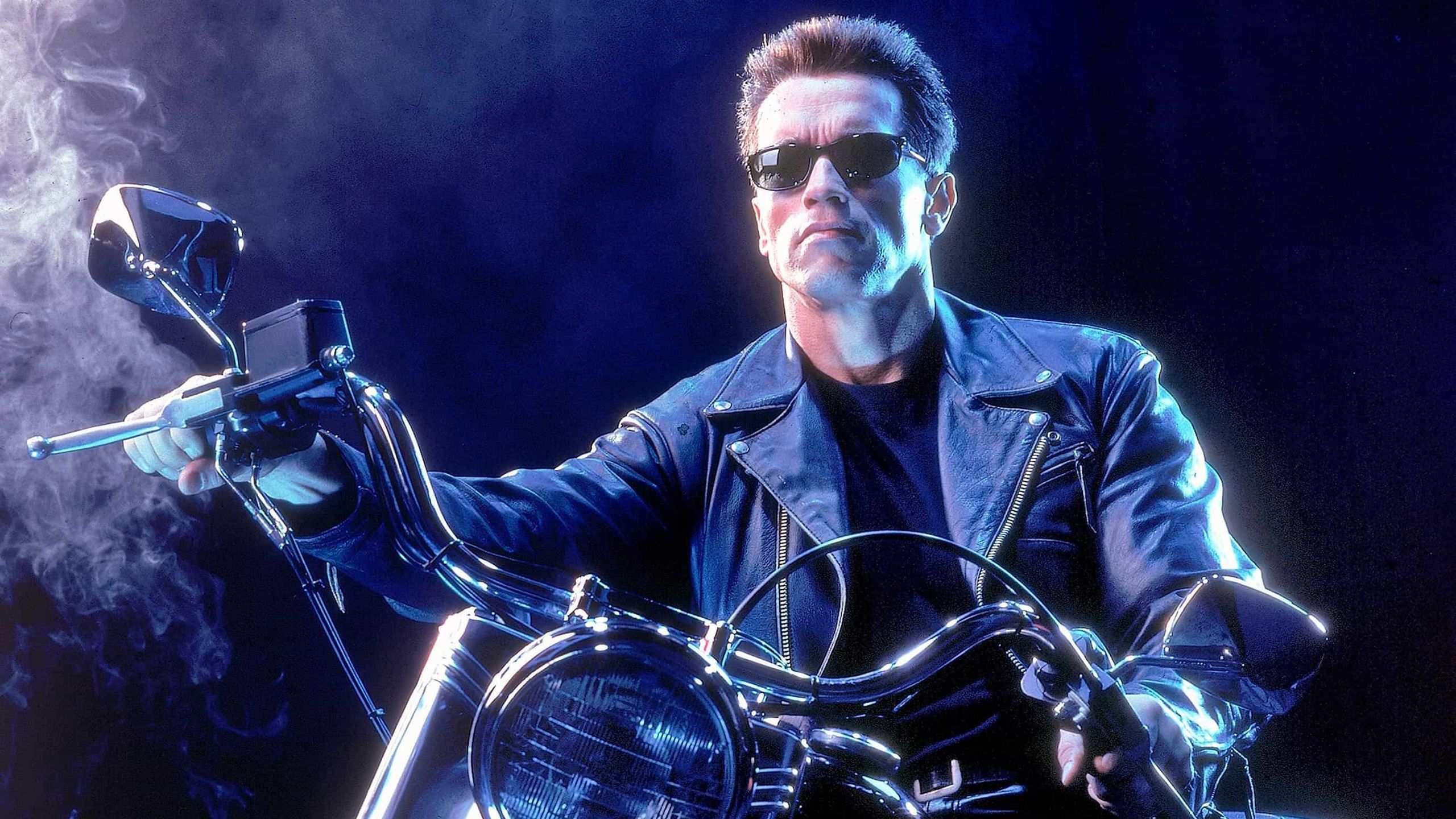
James Cameron's original The Terminator was a lean, frightening science-fiction chase movie made for roughly $6.5 million. Arnold Schwarzenegger's cyborg was an almost unstoppable killer, and Sarah Connor was an ordinary woman struggling to survive. Seven years later, Cameron had the resources to turn that nightmare into an event movie.
Terminator 2: Judgment Day reverses the original's most memorable idea by making Schwarzenegger's T-800 a protector. Then it introduces Robert Patrick's liquid-metal T-1000, whose shape-shifting effects were a genuine leap forward for blockbuster filmmaking. The motorcycle-and-truck chase through a flood-control channel remains astonishing, even before the film reaches its industrial finale.
The spectacle would mean far less without Linda Hamilton's transformed Sarah Connor and the unlikely relationship between her son and the machine sent to save him. T2 expands the original's budget, effects, action, and emotional stakes while preserving its relentless momentum. It is the clearest example of an action sequel making a once-formidable first film look almost modest.
KioskNews shows a cleaned-up reading view extracted from the publisher’s page — the original always lives on their site, not ours.