7 Modern Thriller Books Everyone Should Read at Least Once

At any given moment, Scott Simone has at least three books jockeying for his attention. He’ll never turn down a campus novel with a literary bent, nor will he hesitate to add yet another mystery to his Leaning Tower of Pisa-inspired to-be-read pile — which is built upon the bedrocks of too many short story collections, how-are-these-real true crime books, and classics waiting to be cracked open again. Topics that have him ripping through pages the fastest include closed-circle murders, unhappy professors, life-questioning philosophical deep dives, so long as they feature sharp sentences, a dark sense of humor, and at least a little malice.
He’s spent so much time in book shops over the years he is, to his wife’s chagrin, continuing to build a library that doesn’t quite respect the dimensions of the apartment meant to contain it.
Sign in to your Collider account
Thrillers have, historically, occupied the less-than-prestigious corners of bookstores. You'd often have to walk past the highfalutin section — tables of dusty classics and whatever's been deemed "literary" that month — to get to the shelves upon which sat books with covers depicting shadowy figures and ominous houses. Oftentimes, you'd only find the largest collection walking to your departure gate. Literary snobs can be awfully dismissive of books that make people miss their plane.
It's a strange complaint if you think about it. Especially considering what thrillers have done in the past quarter-century. The best contemporary thrillers are addictive, yes. But they're also anthropological touchstones — eviscerating modern marriage, exploring the depths of government corruption, and occupying the minds of society's most devious. So it's no wonder why bookstores now stuff their shelves with these modern masterpieces.
'The Lincoln Lawyer' (2005)
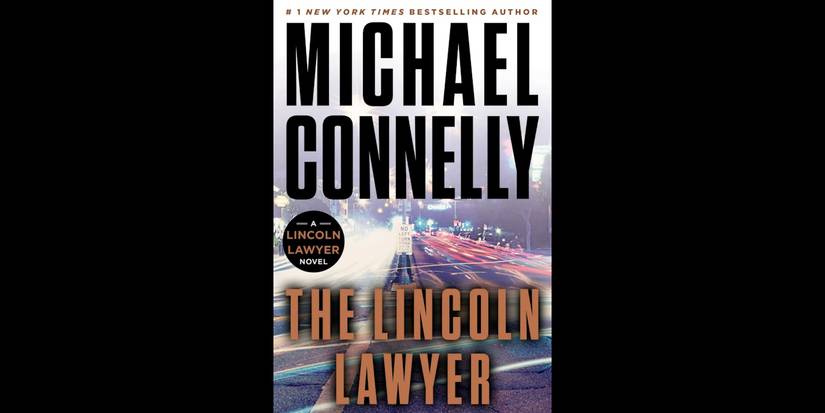
Mickey Haller has a peculiar fear for a defense attorney: an innocent client. He assumes the guilty already know the score. The guilty are just looking for some reduced charges and a lawyer who can spot a loophole to get just that. Innocent people seek justice. Haller, who runs his law practice from the backseat of a Lincoln, knows how dangerous that expectation can be. So when a wealthy man accused of assault insists he's been framed, Haller sees a lucrative case that ought to be easy enough to win.
Michael Connelly warps a lawyer, a character often soaked in cliché, into a fascinating contradiction. Haller is cynical about the justice system yet protective of his place within it. He sees no qualm in exploiting a technicality or bargaining away sentences; he's just doing his job. But his current case grows increasingly complicated, and that professional detachment he'd spent years cultivating and turned into a strength turns into his biggest liability. Connelly flips Haller's best asset — an encyclopedic knowledge of the ins and outs of the legal system and how it can be manipulated — against him. And that's what makes The Lincoln Lawyer such a terrific legal thriller: Connelly delivers all the scheming, suspense, and double-crossing the genre promises, while forcing readers to question whether the law has much to do with justice at all.
'The Constant Gardener' (2001)

Justin Quayle has all the makings of a major modern British diplomat: He's polite, discreet, and unlikely to cause trouble for anyone important. Then there's his wife Tessa. She, not once, hesitates to challenge the powers that be and embarrass officials, asking the questions everyone else whispers into the wind. Justin tends his garden and stays out of it. Then Tessa is murdered while traveling in northern Kenya, and the people around him seem awfully eager to dismiss her work as the reckless crusade of a troublesome woman.
The pharmaceutical industry is prime soil from which villains quickly bloom, especially when there are questionable drug trials in Africa adding fertilizer. But John le Carré plants ordinary bureaucrats that grow into the novel's most sinister characters. All they seem to do is protect themselves, ignoring inconvenient evidence and hiding in the shade of diplomatic niceties. They have a way of turning ugly decisions into beautiful reasons. That's what pushes The Constant Gardener beyond a simple thriller — it's instead a ferocious indictment of institutional corruption.
'Blacktop Wasteland' (2020)

Beauregard "Bug" Montage has the kind of talent that's easily admired — unless, of course, you're a cop chasing him. That's because they're the types of skills that deal with flying down back roads and taking a corner with ease, vanishing before anyone gets a good look at the plates. But he's put all that, like the officers pursuing him, behind him. He has a wife and kids to feed, but doesn't bring in nearly enough money running an auto shop to do so. Enter an old acquaintance dangling a nice payday in front of him. All he has to do is drive a getaway car.
S. A. Cosby could've made Bug into a decent family man whom hard times force into crime — but he never lets his protagonist off easily. Money draws Bug back in. But so, too, does the rush of accelerating out of danger. And perhaps, even more so, knowing nobody else could do it better. Cosby makes those chases exhilarating, and so too is the wrestling match inside Bug that kicks off whenever he sits idling. He knows there's a difference between having few choices and enjoying the wrong one. Blacktop Wasteland finds its bite there, in the uncomfortable possibility that the life Bug's desperate to leave behind is also the one in which he feels most alive.
'My Sister, the Serial Killer' (2018)

Three dead boyfriends ought to be enough to convince Korede that her younger sister has a problem. But Ayoola is beautiful, charming, and infuriatingly incapable of cleaning up her own messes. So it falls to Korede, a nurse who knows a thing or two about removing blood, to scrub the floors, dispose of the latest body, and keep her sister out of prison. She's growing tired of it. When Ayoola sets her sights on Tade, the doctor for whom Korede has been pining, sisterly resentments turn even uglier.
In most writers' hands, this would be a simple story about a murderer and the wreckage they leave behind. But Oyinkan Braithwaite doesn't walk the usual path, turning Korede into an equally complicated character, for whom murder becomes one more inconvenience to handle. Braithwaite writes the increasingly outrageous developments with a deliciously deadpan sense of humor in a way that makes the sisters' petty squabbles almost as entertaining as the crimes themselves. My Sister, the Serial Killer is so full of laughs that you hardly notice you've been psychologically manipulated the entire time.
Collider Exclusive · Villain Personality Quiz Which Criminal Mastermind Would Be Your Nemesis? Lecter · Joker · Moriarty · Chigurh
Four of the finest criminal minds ever put on screen. One of them would look at you and see something worth their time. Eight questions decide which one comes for you, why they picked you, and what they would want when they arrived.
🍷Lecter
🃏Joker
♟️Moriarty
🪙Chigurh
01
What would a criminal mastermind notice about you first? Great villains choose their opponents carefully. Something about you got their attention.
02
How do they make first contact? The introduction tells you everything about what is coming next.
03
What do you actually believe about right and wrong? Every nemesis is really an argument about the thing you believe most.
04
What finally gets under your skin? Everybody has a pressure point. Finding yours is the whole plan.
05
They have made their move. How do you fight back? This is the part of the film where the audience finds out who you are.
06
What would they use against you? A good villain never brings a weapon you have not already handed them.
07
What do they actually want from you? The money is never the point. Something else always is.
08
How does it end between the two of you? Eight questions in, this is the one that decides who comes for you.
The Case File Is Complete Your Nemesis Is…
Four criminal masterminds. One of them was always going to be yours. Here is who comes for you, why they picked you out of everyone available, and what they want from the encounter.
Hannibal Lecter
Your nemesis does not want to beat you. He wants to know you completely, and he is patient enough to wait for it. The frightening part is how good the conversation is.
- Lecter is the most dangerous kind of opponent: the one who finds you interesting. He never raises his voice, because he has never needed to.
- You keep a great deal to yourself and you are careful about what you show. That reserve is exactly the door he would knock on.
- The films understood something other thrillers missed. The horror is not the violence. It is being perfectly understood by the wrong person.
- He would be unfailingly polite about all of it. That is the worst part.
The Joker
Your nemesis is not after money, territory or revenge. He is after a demonstration, and you are the person he has chosen to prove his point on.
- The Joker only picks opponents who believe in something. Your decency is not a defence against him. It is the entire reason he showed up.
- He has no plan you can predict and nothing you can take away, which removes every tool you would normally reach for.
- His whole argument is that you are one bad day away from being him, and you would spend the rest of your life proving him wrong.
- He would call it a magic trick. You would call it the worst night of your life.
Moriarty
Your nemesis respects you, which sounds flattering until you work out what it means. He chose you because nobody else was worth his time.
- Moriarty is the original criminal mastermind, the template every later one borrows from: a mind the equal of the hero's, pointed the wrong way.
- You enjoy being the cleverest person in the room. He is counting on exactly that, and he has already built the room.
- This is the rare nemesis who would be genuinely disappointed if you lost badly. He needs the game to be worth playing.
- It ends the way these things always end. Two people, one problem, and only one way down.
Anton Chigurh
Your nemesis has no personal interest in you whatsoever, and that is precisely what makes him unsurvivable. You are not a rival. You are a stop on the way.
- Chigurh does not negotiate, gloat or explain. He arrives, he asks one question, and the answer was decided long before you opened your mouth.
- You trust yourself to handle things. He is the one problem in the world that has no interest in how capable you are.
- No Country for Old Men rewrote the screen villain by removing the thing audiences quietly rely on: the sense that talking might work.
- Call it. He will wait.
'Shutter Island' (2003)
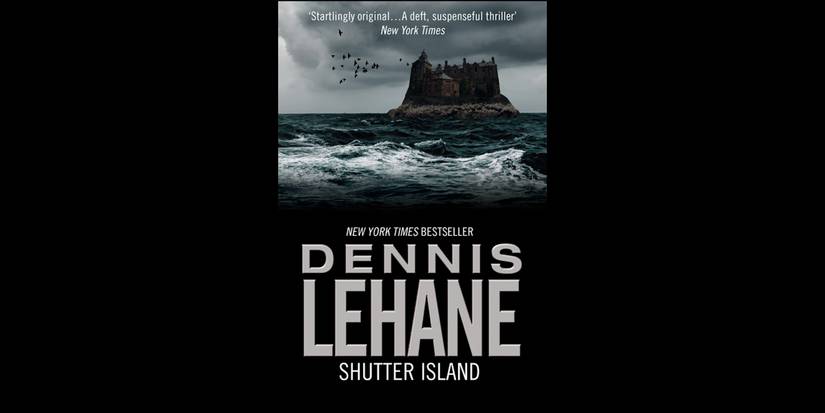
Rachel Solando has disappeared from a locked room in a psychiatric hospital for the criminally insane. Troubling enough. But Ashecliffe Hospital is on an island, from which the only way to the mainland is by ferry. So where'd she go? U.S. Marshal Teddy Daniels and his partner Chuck Aule arrive in 1954 to find out, but nobody seems particularly interested in helping them. The doctors offer evasive answers, the patients behave strangely, and a hurricane threatens to strand everybody on the island.
Dennis Lehane unspools suspicion after suspicion, only to tie them into knots of paranoia that seem impossible to untie. It tinges each conversation at Ashecliffe with double meaning, and each new clue pulls that knot a little tighter. Somehow, that paranoia only strengthens Teddy's resolve that something sinister is afoot. But Lehane shows the danger lurking behind that certainty — as Teddy spirals as he continues to look at everything through a sinister lens. That slip into the never-ending rabbit hole makes Shutter Island a masterful psychological thriller that makes you question just what a sane mind actually looks like.
'The Girl With the Dragon Tattoo' (2005)

For 40 years, Henrik Vanger received a cruel birthday present: a framed, pressed flower. They're just the type his great-niece Harriet used to send before she vanished from the family's island estate. Vanger suspects her killer is taunting him. Worse, he thinks that person is a member of his own family. So he hires disgraced journalist Mikael Blomkvist, who in turn pairs up with Lisbeth Salander, a hacker with her own checkered past. The duo rummages through decades of grudges, secrets, and a rather sordid family history.
The novel's original Swedish title (Men Who Hate Women) foreshadows Stieg Larsson's intentions much more than its English counterpart. Larsson hides the violence behind the institutions that are the bedrock of paternalistic power: business empires and respectable family names. And Salander, someone everyone (especially the men in her life) dismisses as unstable and dangerous, is the one most willing to blast that foundation. The Girl With the Dragon Tattoo is a no-holds-barred dive into how easily a family can spend generations protecting its reputation while abandoning the very people who need its protection.
'Gone Girl' (2012)
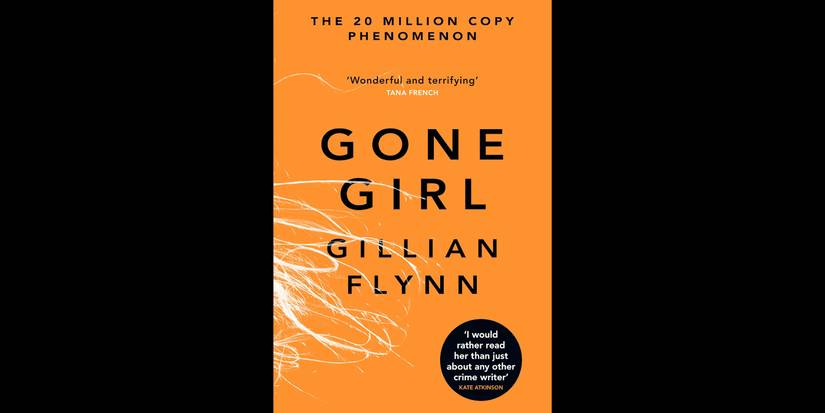
Nick Dunne tends to smile when he shouldn't. It's probably not something most would pick up on. But it enters suspicious territory when his wife, Amy, disappears on their fifth wedding anniversary. Couple it with the fact that the police find signs of a struggle along with Nick's account of their marriage leaving plenty to be desired, and it turns sinister. When the cameras arrive — and millions of strangers are scrutinizing his every expression — his tendency to do all the wrong things convicts him in the public eye. He's no longer a husband but a cold-blooded killer.
Gillian Flynn has a wicked understanding of how hungry people are to watch somebody else's marriage fall apart. So she lets the plot simmer in the public spectacle surrounding Amy's disappearance, only now and then letting it boil over into the grotesque. She continues to add flavor, peeling back the performances people tend to put on throughout a relationship. Flynn makes the reader complicit in all of it. You eat up each revelation, the television audience a mirror into your own sordid judgment as you flip and flop on who's telling the truth. It’s all a recipe that makes Gone Girl the epitome of the entertaining modern thriller: It indulges the public's appetite for unfolding scandals, especially when they can convince themselves they're watching out of concern.
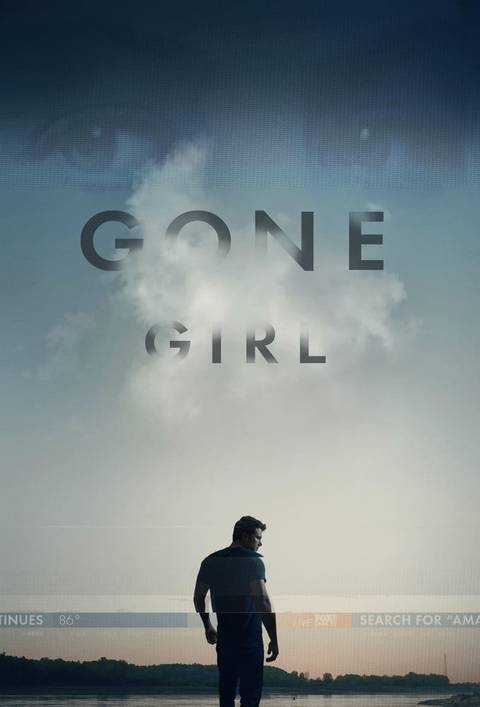
Gone Girl
- Release Date
- October 3, 2014
- Runtime
- 149 minutes
- Director
- David Fincher
- Writers
- Gillian Flynn
-

Nick Dunne
-

Amy Dunne
With his wife's disappearance having become the focus of an intense media circus, a man sees the spotlight turned on him when it's suspected that he may not be innocent.
- Producers
- Arnon Milchan, Ceán Chaffin, Joshua Donen
- Main Genre
- Thriller
- Budget
- $61 million
- Studio(s)
- 20th Century
- Distributor(s)
- 20th Century
- Executive Producer(s)
- Bruna Papandrea, Leslie Dixon
KioskNews shows a cleaned-up reading view extracted from the publisher’s page — the original always lives on their site, not ours.