Philippines touts power cable to Malaysia’s Sabah, yet Sabah is in no rush
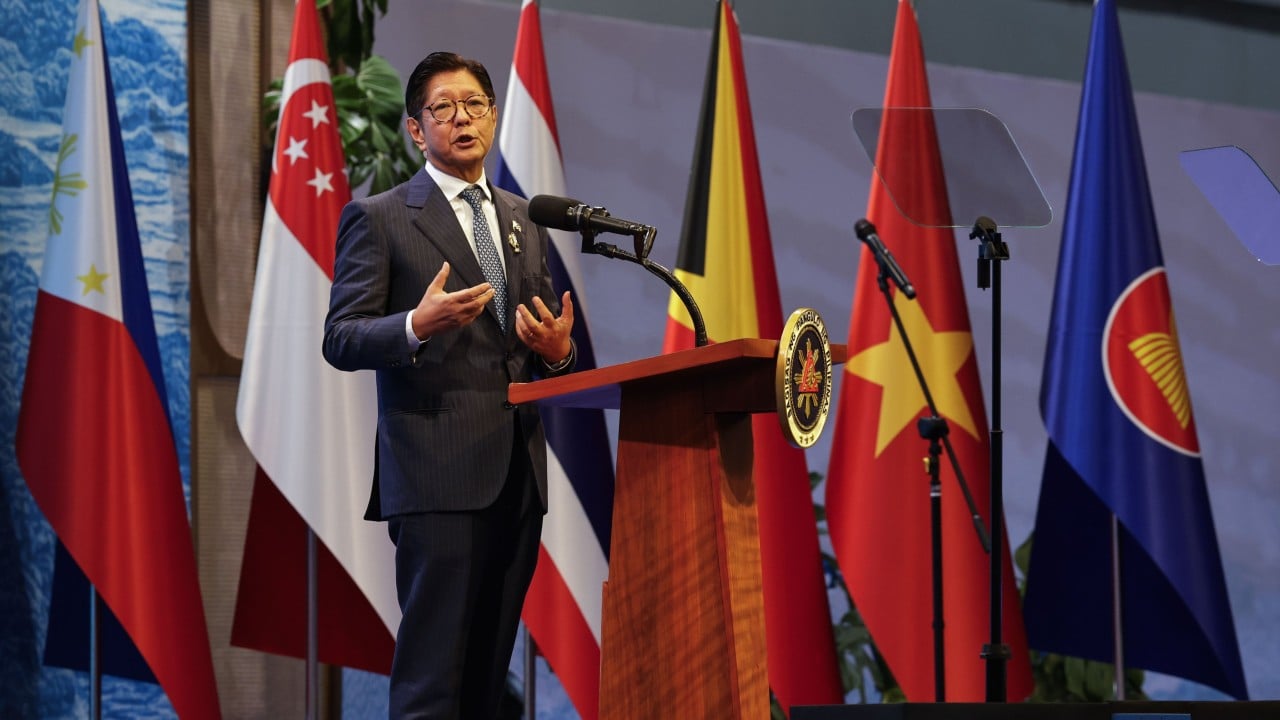
A proposed undersea power link between Malaysia’s Sabah state and the southern Philippines has been hailed by Philippine President Ferdinand Marcos Jnr as a major step towards Asean’s vision for a regional electricity grid, yet questions remain over whether it can deliver cheaper, more reliable power.
Announcing the proposed Sabah–Mindanao connection on November 17, Marcos said the bloc had made “some serious progress” towards cross-border electricity trading, with plans now extending beyond land-based connections.
“I am also happy to report that the first undersea cable for sharing of energy is going to be laid between Malaysia, Sabah in particular, and [the] Philippines in Mindanao,” he said.
But analysts said the project’s success would hinge on whether enough electricity could be traded reliably across the border and whether the benefits would justify the costs to consumers.
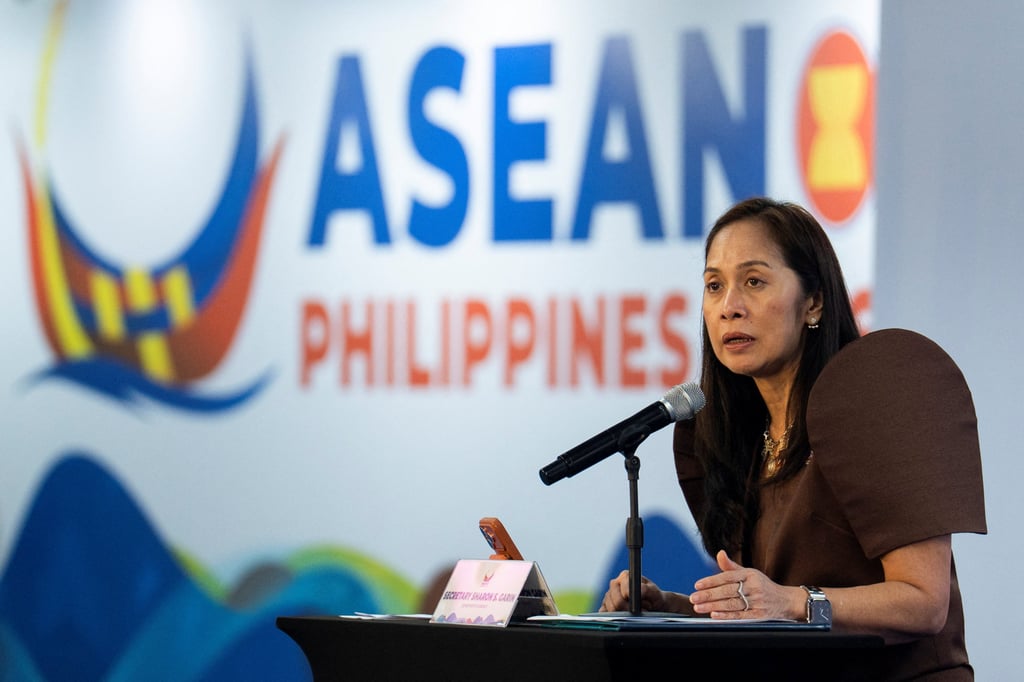
In an interview with Philippine media, Energy Secretary Sharon Garin said no agreement had been signed with Malaysia and that discussions were still at the preliminary stage.
In a written reply to inquiries from This Week In Asia, the Energy Commission of Sabah (ECoS) said the connection was “outside ECoS’ current plans”, adding that a feasibility study would be needed before deciding its scope, development arrangements or direction of trade.
The proposal comes amid a renewed regional push for electricity trading, after the Association of Southeast Asian Nations completed the signing of an enhanced power-grid memorandum on November 15 establishing a framework for cross-border connections and energy trading.
In a separate interview with Philippine business portal BusinessMirror, Garin said Manila was also discussing a possible link involving Sarawak to identify the best route, noting there were geopolitical issues to consider.
A fragile surplus
One rationale for the link is for Mindanao to sell excess power to Sabah. However, having generating capacity that exceeds local demand does not guarantee how much electricity can be reliably supplied to another market.
Alberto Dalusung III, energy transition adviser at the Institute for Climate and Sustainable Cities in Manila, said Mindanao’s apparent surplus required closer examination.
“It is important to distinguish between having surplus installed capacity and having a reliable surplus that can actually be exported without compromising the reliability of its own power supply,” he said.
Dalusung cited recent Philippine Department of Energy data showing Mindanao had about 4,022 megawatts of dependable generating capacity, compared with a peak recorded demand of 2,775MW this year.
More than half of that dependable capacity comes from coal (2,041MW), followed by hydropower (1,077MW), geothermal (106MW) and solar (85MW).
The 1,247MW surplus could not simply be treated as available for export, he said, as operating reserves must be maintained and unexpected plant shutdowns or output reductions could quickly erode the buffer.
“Despite its large operating margin and surplus capacity, Mindanao has experienced several red and yellow alerts in recent months due to recurring outages and derating of generating units, including major coal-fired power plants,” Dalusung said.
Mindanao also supplies electricity to the Visayas through the Mindanao-Visayas Interconnection Project. Before the link was commissioned in 2024, many Mindanao coal plants were underutilised, Dalusung said, as local demand was unable to absorb all the power generated.
“This raises the question of how much additional electricity Mindanao could realistically commit to another export market, such as Sabah,” he said. With much of the potential export supply coming from coal-fired plants reliant on imported fuel, the arrangement would also be exposed to international price fluctuations, complicating long-term affordability and energy-security benefits.
More than a cable
Thorbjorn Fors, group senior vice-president of Siemens Energy and president for Asia-Pacific, said the proposed connection would most likely use high-voltage direct current, an established technology for sending electricity over long distances underwater.
Seabed conditions, water depth and route selection would influence the project’s complexity, costs and scheduling, making detailed marine surveys essential, he said.
“The bigger challenge, however, is often not the cable itself. It is ensuring both electricity systems are ready to support the connection,” Fors said.
This would mean assessing grid strength, stability during disturbances, protection systems and the ability to manage electricity flows across two jurisdictions.
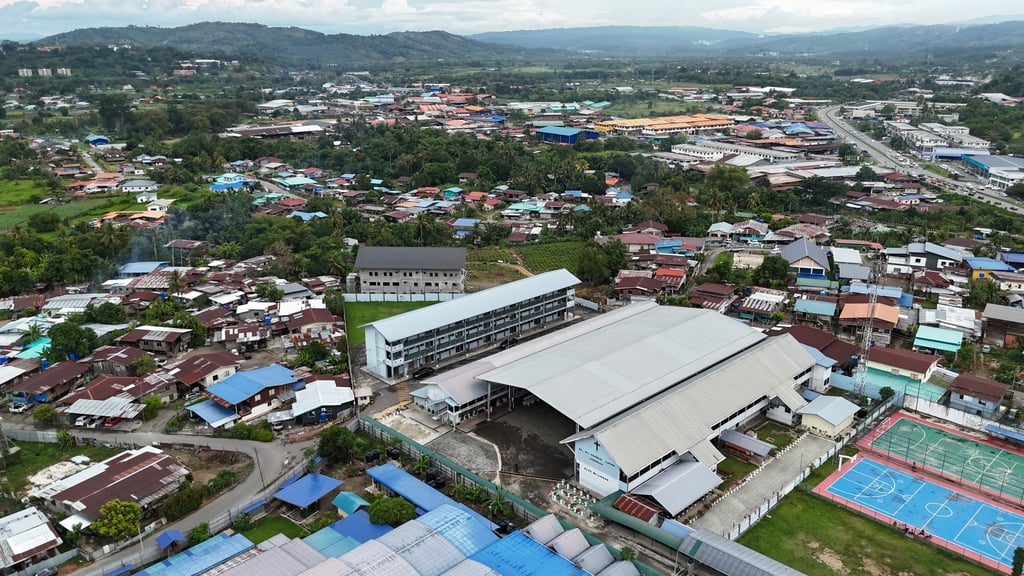
For Sabah, Fors pointed to the need to continue strengthening the 275-kilovolt transmission backbone connecting the state’s east and west, which would improve the network’s ability to move electricity across Sabah and support larger imports or exports through future regional connections.
Operators would also need greater visibility of network conditions and potential constraints, alongside sufficient reserve capacity to manage disruptions and maintain reliable domestic supply.
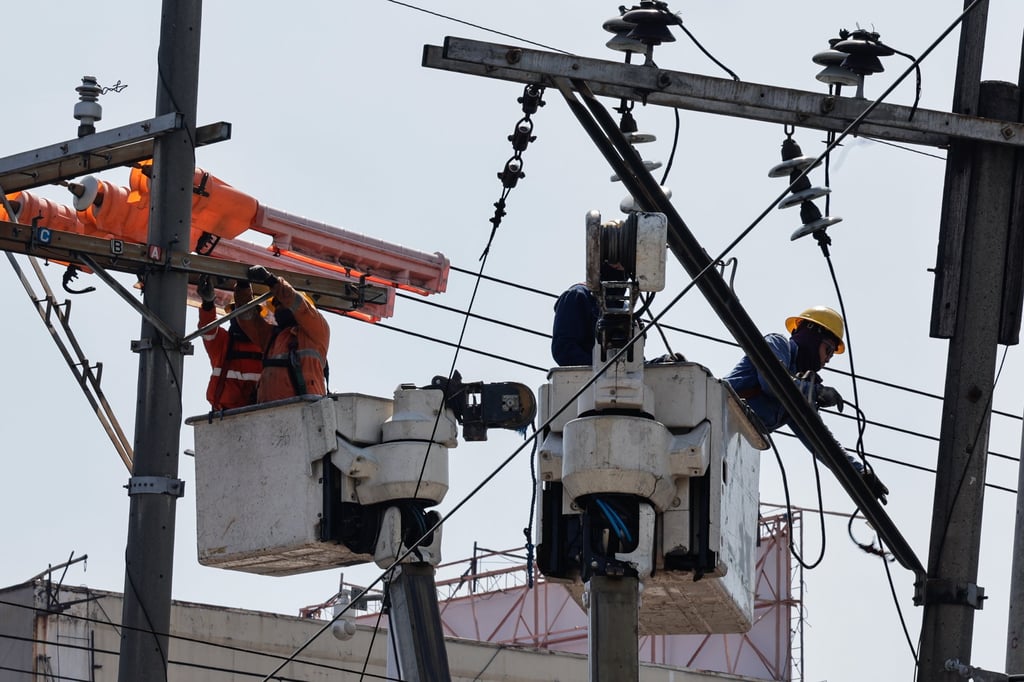
At the same time, Sabah continues to experience power cuts, with some interior communities relying on local sources rather than the main grid. In 2023, for instance, intermittent outages lasting hours hit several districts, affecting the main hospital in the state capital and Kota Kinabalu International Airport.
Older blueprints, new routes
The idea of connecting the Philippines with Borneo predates Marcos’ announcement, though earlier proposals differed in their route and scope.
The Transmission Development Plan 2016-2040, published by the National Grid Corporation of the Philippines, envisaged a 500MW Asean Power Grid link running from Sabah through Palawan and Mindoro to Luzon, while also identifying Mindanao as a possible connection option.
However, it noted that further feasibility studies were needed for a project spanning more than 800km (497 miles).
Sabah’s Energy Roadmap and Master Plan 2040, published in 2023, also identifies such links as a way to make the state a regional power trading hub. The road map noted North Kalimantan’s interest in exporting electricity from a planned 900MW hydropower plant.
At the same time, the plan noted that Sabah was engaged with Palawan to establish grid connectivity and saw potential in supplying other remote Philippine areas in and around Mindanao, such as Tawi-Tawi and Lanao del Sur.
Hidden costs
Cost overruns often occurred when early estimates understated the onshore grid upgrades needed or failed to adequately account for equipment supply constraints and delivery risks, Fors said.
Considering the cable and its supporting transmission infrastructure together from the outset would provide a more realistic assessment of costs, timescales and risks, he added. Long-term demand certainty – through power purchase agreements or other arrangements – would also help give investors confidence.
“The strongest long-term business cases typically emerge when power can flow in either direction according to system needs and market conditions,” Fors said.
Dalusung likewise said regional connections should be judged on their long-term contribution to the electricity system rather than current surplus capacity, reiterating his doubts over whether spare coal-fired generation offered a sound basis for investment.
“The objective should not simply be to connect countries and enable electricity to flow across borders,” he said.
“It should be to ensure that doing so delivers cheaper, more reliable and more secure electricity for Filipino consumers, without exposing them to disproportionate project costs and risks.”
KioskNews shows a cleaned-up reading view extracted from the publisher’s page — the original always lives on their site, not ours.