ECB head Lagarde resigns amid mounting economic, political challenges for Europe
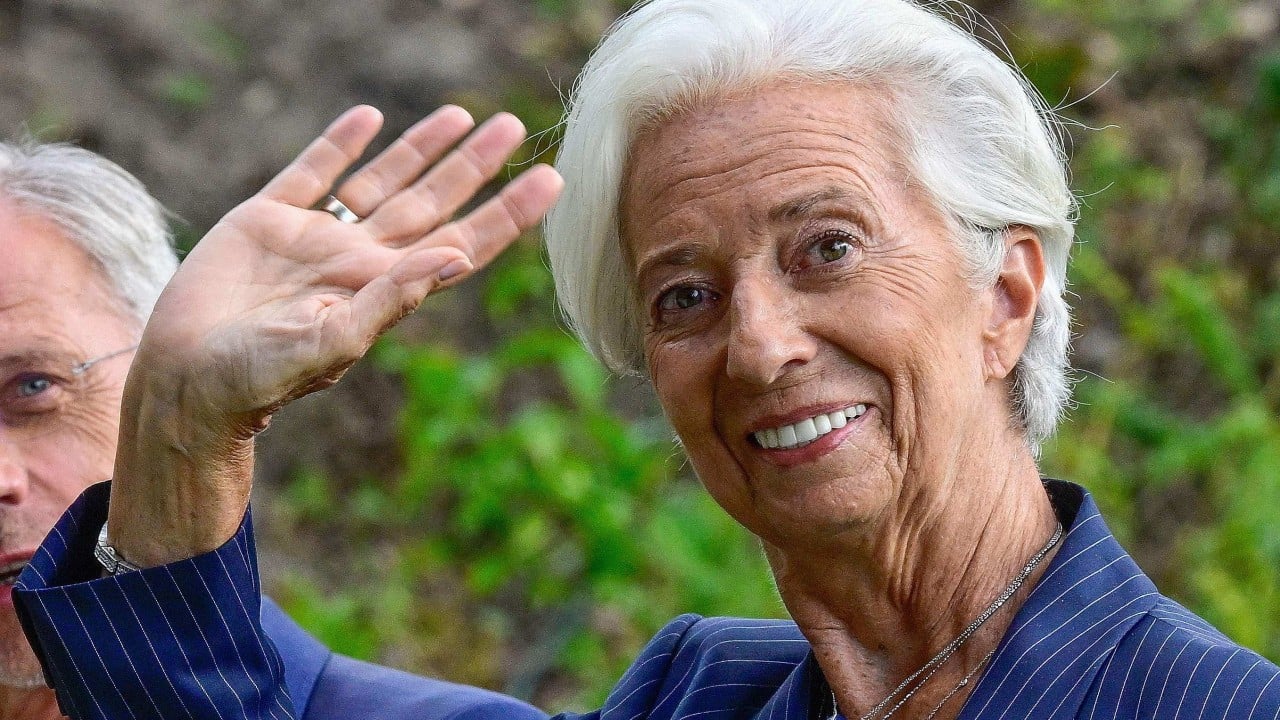
European Central Bank president Christine Lagarde resigned on Thursday, ending months of speculation about her future just as Europe enters a period of rising economic volatility and divisive electoral politics, particularly in her native France.
Lagarde will step down on February 7, giving current European Union leaders time to pick her successor before a French presidential election that polls show far-right candidate Marine Le Pen is favoured to win.
The move comes as the ECB battles inflation risks from an Iran war-driven oil shock while a sharp rise in bond yields, especially in France, threatens to dampen growth.
“I leave this institution with a sense of good work done and an ECB that is fit for the future,” Lagarde, 70, said in a short video shared on social media.
A source with direct knowledge of the matter said Lagarde, a former French finance minister and head of the International Monetary Fund, had resigned so she could weigh in on political matters in France and globally. As ECB president, she was expected to remain neutral to safeguard the institution’s independence.
Lagarde has not addressed such matters directly. She has said she would not be a candidate for the French presidency but would advocate for pro-European values in her home country “in whichever capacity” she deemed most efficient.
European Council President Antonio Costa said the process to find Lagarde’s successor would begin immediately.
The appointment is likely to be part of a broader package of top ECB jobs involving the executive board seat of Isabel Schnabel, who will leave in early January, and chief economist Philip Lane, due to depart in May.
The former central bank governors of the Netherlands and Spain, Klaas Knot and Pablo Hernandez de Cos, are widely seen as front runners to replace Lagarde.
“The rumoured successors are both very competent, well-established central bankers, so for markets, it won’t matter too much,” Piet Haines Christiansen, an economist at Danske Bank, said.
Financial markets showed little reaction to the announcement, with some analysts noting the ECB had now built a reputation that outlived any of its leaders.
Lagarde’s term was scheduled to run until the end of October 2027 but speculation about an early departure had been mounting for months, with the World Economic Forum seen as a likely destination. The WEF declined to comment.
Her resignation comes just as the ECB is in the middle of a rate-hiking cycle aimed at preventing an oil-price shock linked to the Iran war from feeding into other prices and wages.
But it must also contend with a surge in government bond yields – especially in debt-laden France – that has pushed up borrowing costs for households and businesses and which Lagarde has said will curb growth and inflation.
KioskNews shows a cleaned-up reading view extracted from the publisher’s page — the original always lives on their site, not ours.