Attorney general asks court to freeze Karhi’s media law, citing serious legal flaws
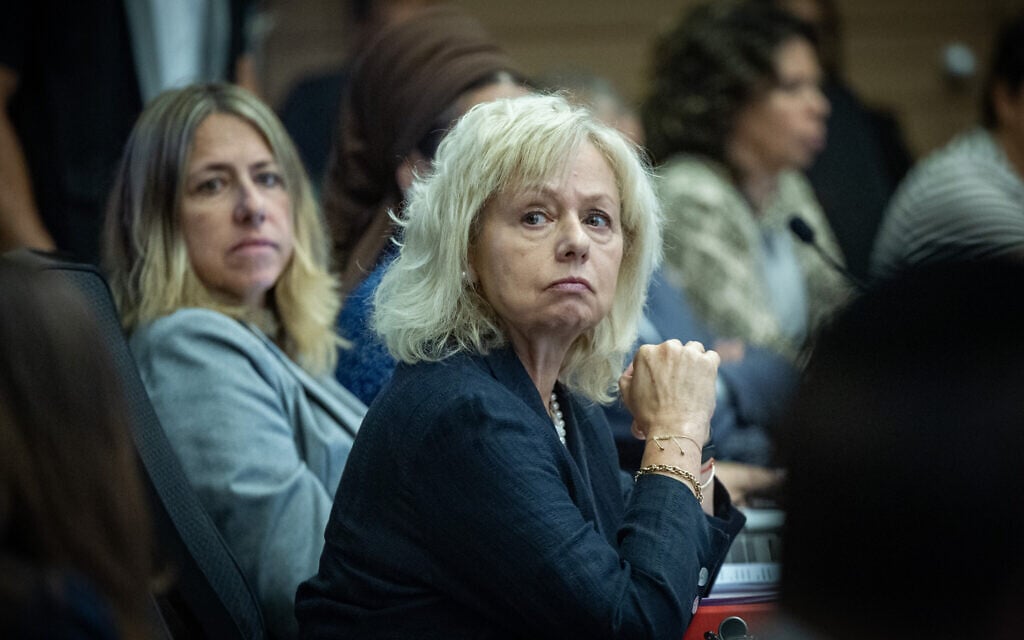
Attorney General Gali Baharav-Miara asked the High Court of Justice on Thursday to freeze implementation of Communications Minister Shlomo Karhi’s sweeping media law, arguing that allowing it to take effect could undermine media independence while legal challenges to the legislation remain unresolved.
In a position paper filed to the court, Baharav-Miara argued that both the legislative process and several provisions of the law raised serious legal concerns. She described the legislation as containing an “extreme accumulation of substantive defects.”
Baharav-Miara described the case as unusual, arguing that the law should be put on hold until the court rules on the petitions. She also argued the challenges had a strong chance of succeeding.
0:00 / 0:00
Promoted: Nefesh B'Nefesh - Aliyah is Now

“The law effectively abolishes the main comprehensive framework intended to ensure the journalistic independence and reliability of news broadcasts in Israel, without establishing a dedicated alternative,” Baharav-Miara said.
She also pointed to the timing of the legislation, arguing that major changes to media regulation should not take effect while the legal challenges remain unresolved, and particularly during an election campaign.
Get The Times of Israel's Daily Edition by email and never miss our top stories
By signing up, you agree to the terms
“This carries even greater weight during an election period, when structural changes to the media market and news broadcasting could have particularly sensitive implications for public discourse and the conditions in which it takes place,” she wrote.
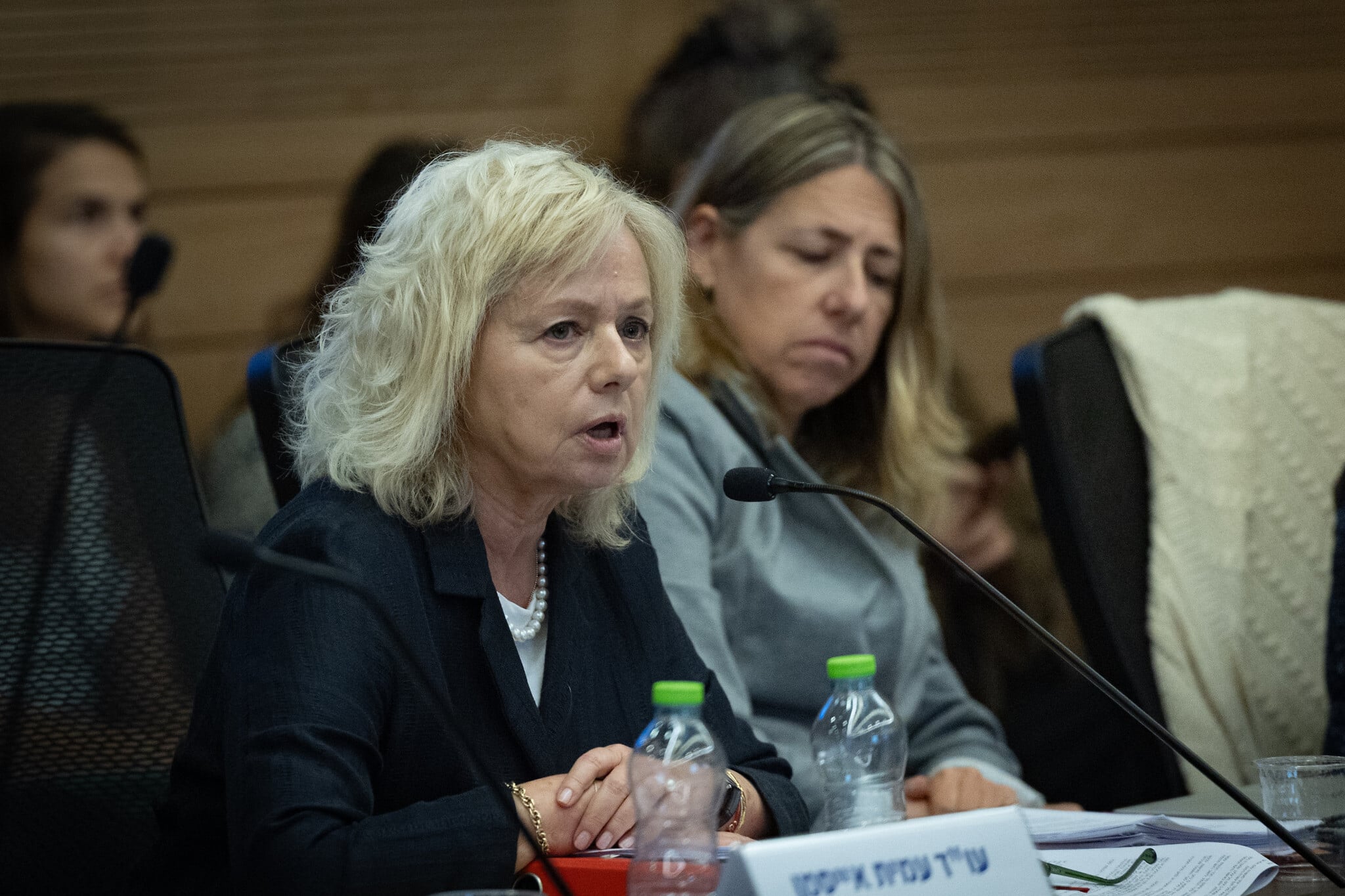
Baharav-Miara wrote that flaws in the legislative process took on greater significance because the law “touches on the core of freedom of expression, freedom of the press and media independence.”
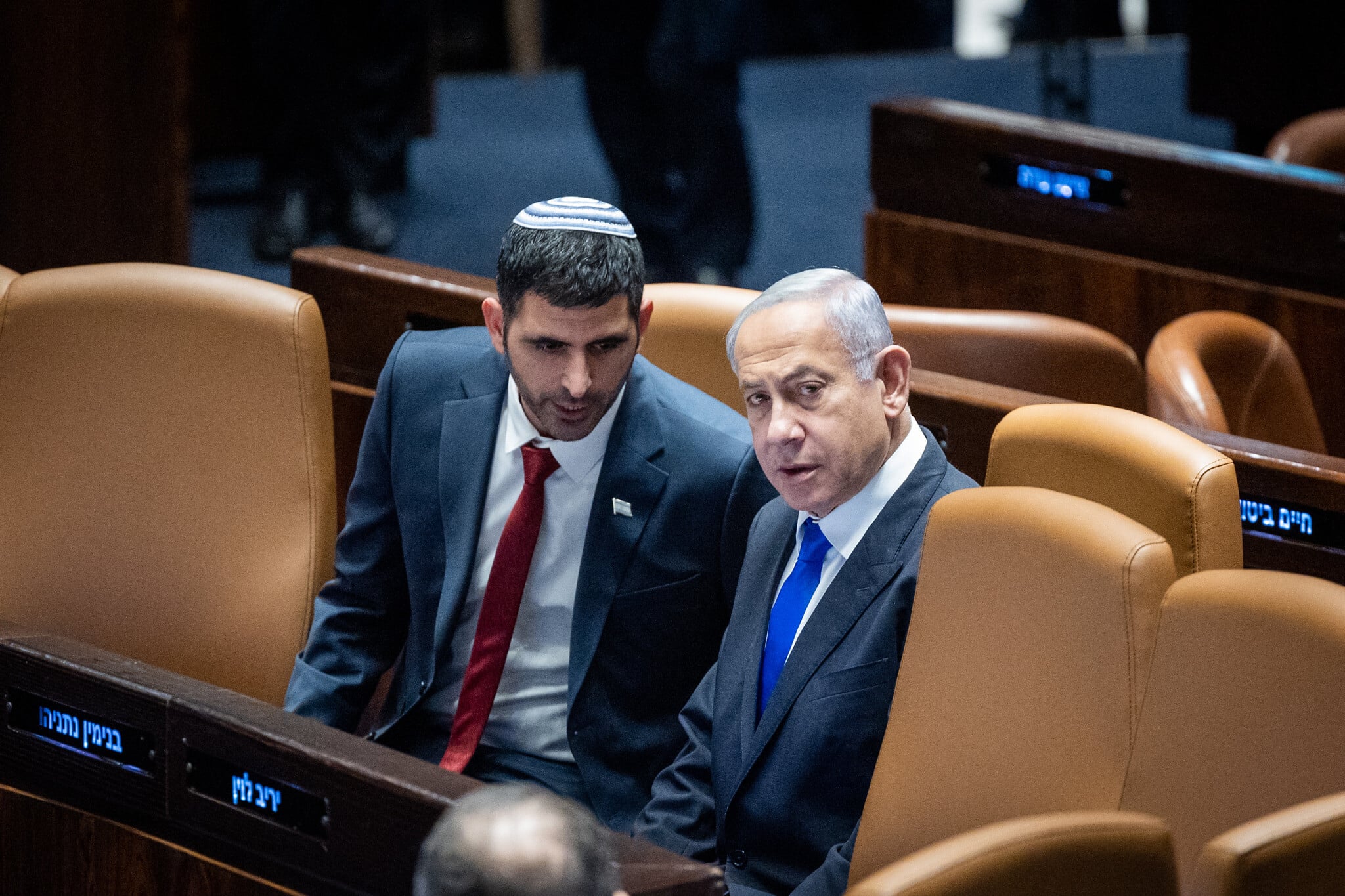
The Knesset passed the overhaul 53-48 on July 16, during its final legislative push before dissolving ahead of the October 27 election. During the debate, Karhi thanked Prime Minister Benjamin Netanyahu from the Knesset podium for having tasked him four years earlier with advancing what he called a “right-wing reform of the media.”
Netanyahu is bound by a conflict-of-interest agreement barring him from involvement in media policy because of his ongoing criminal trial, though Karhi later said he had received a legal opinion finding that the prime minister’s involvement did not constitute a conflict of interest.
Several watchdog groups and political parties petitioned the High Court immediately after the law passed, seeking both its annulment and an interim freeze on its implementation.
Three days later, Justice Ofer Grosskopf temporarily blocked provisions that were due to take effect immediately, saying the challenges to both the legislative process and elements of the law itself raised “weighty” claims. He also cited concern that allowing the sweeping changes to take effect before the court ruled could alter the broadcast media market in ways that would be difficult to reverse before the October election.
Karhi responded by calling on the government to defy the court, arguing that the justices had no authority to suspend or strike down legislation and saying he would boycott the proceedings while the interim order remained in force.
Help us report truthfully on social media

As a multimedia journalist, my job is to take the quality, fact-based journalism produced by The Times of Israel newsroom and make it accessible across every platform — from Instagram posts to podcasts to short-form videos.
This is how many, especially young people, consume news these days. But misinformation is rampant on social media. Our team at ToI produces accurate, responsible short-form reporting on Israel and the Jewish world.
If you believe in the importance of factual social media journalism, please consider joining our reader support group, The Times of Israel Community. Your financial support is essential to sustain responsible multimedia reporting.
— Gabriella Jacobs, multimedia journalist
Support our work Support our work Already a member? Sign in to stop seeing this
KioskNews shows a cleaned-up reading view extracted from the publisher’s page — the original always lives on their site, not ours.