Trump: Iran likely behind attack on Saudi pipeline, Houthis told us they don’t want to fight
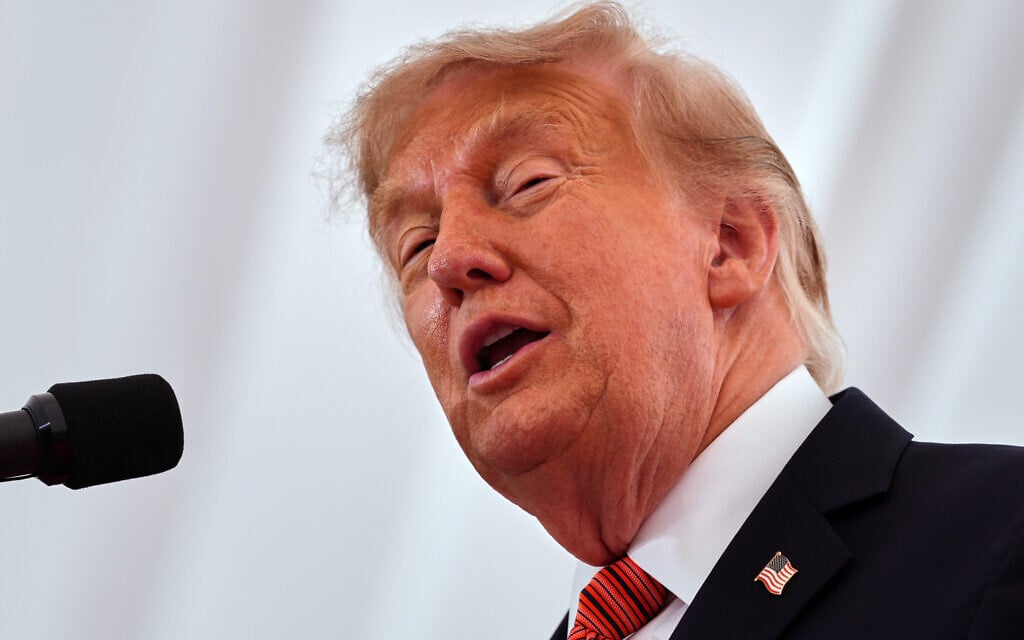
US President Donald Trump said on Saturday that Iran was probably responsible for an aerial attack on Saudi Arabia that shut down its East-West Pipeline, one of the kingdom’s main routes for exporting crude while bypassing the Strait of Hormuz.
“I think they are, probably they are,” Trump told reporters in Dublin when asked if Iran was responsible for the attack on the vital oil conduit.
The US president also said he had spoken with Saudi Crown Prince Mohammed bin Salman, whom he described as a “good friend.”
Promoted: Theatron Hotel and Residences - Luxury Jerusalem Residences with Five-Star Hotel AmenitiesKeep WatchingSkip Ad
The Saudi foreign ministry blamed the attack on several drones from Iraq that it said “caused human injuries and damage.” In a statement carried by the state-run Saudi Press Agency, the kingdom said it would not respond to give the Iraqi government “an opportunity to take the necessary measures.” But it also stressed that Saudi Arabia “reserves the right to take all necessary measures to protect its sovereignty, its security, its facilities,” and its inhabitants.
The Iraqi government condemned the assault, with the prime minister’s office announcing the dismissal of a military commander after investigations confirmed the attack originated from Iraq. Two Iraqi sources later told Reuters that Iraq ordered the closure of the Shalamcheh border crossing with Iran as a precautionary measure, adding that a wide-scale operation was underway to pursue the perpetrators of the attack.
Get The Times of Israel's Daily Edition by email and never miss our top stories
By signing up, you agree to the terms
Trump added that Yemen’s Iran-allied Houthi fighters, who have seized a vital shipping corridor linking Europe and Asia, have asked Washington not to intervene.
Following a week-long offensive, the Houthis on Friday captured Yemen’s Red Sea coast after taking three strategic islands in a lightning offensive, cementing their hold on the Bab al-Mandab Strait, a vital artery for Saudi Arabian oil exports as the Strait of Hormuz remains closed amid the US-Iran war.
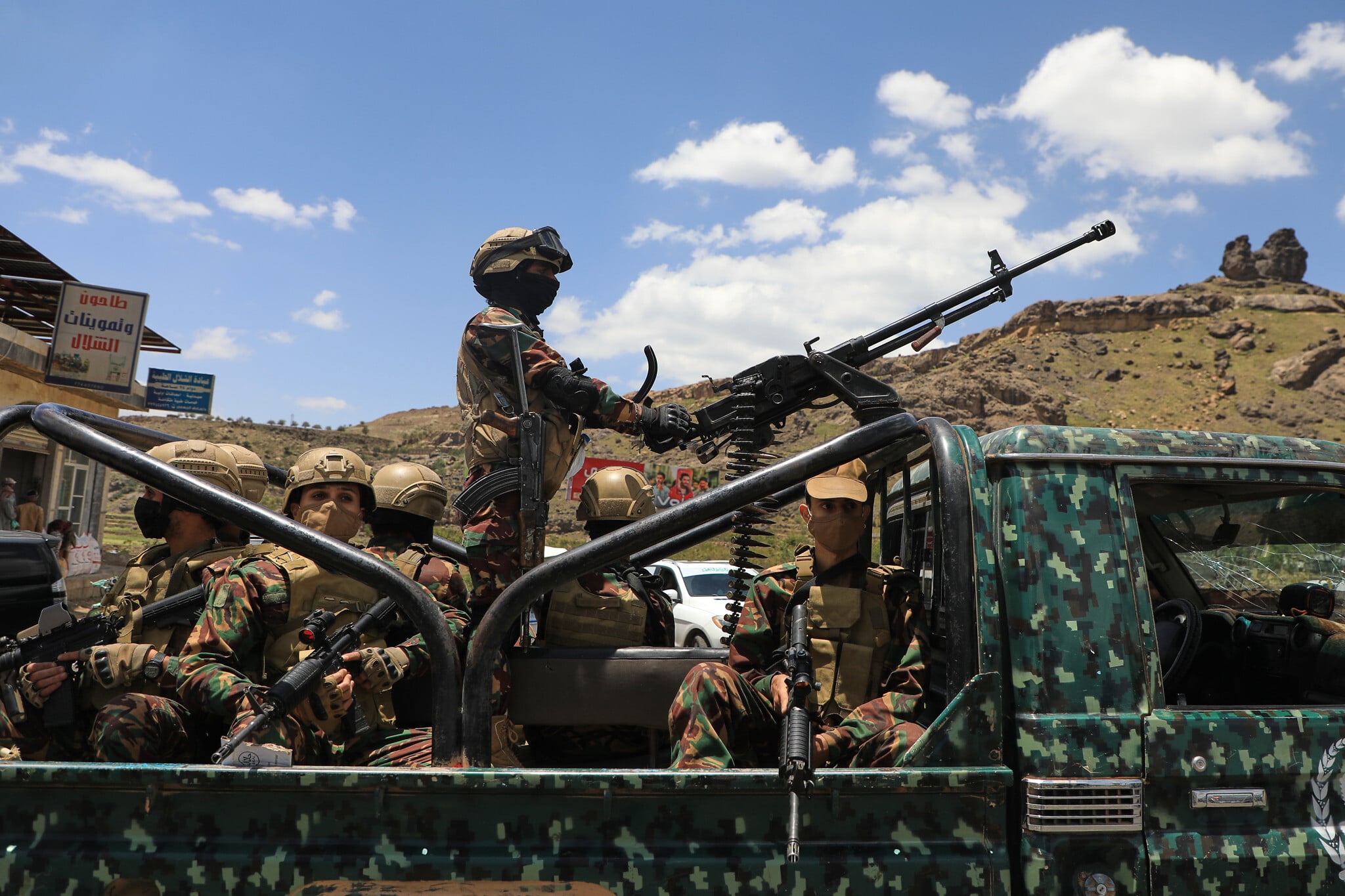
Saudi Arabia, the world’s biggest oil exporter, has relied on the area ever since Iran’s Hormuz blockade choked off its shipments via the Gulf.
“The Houthis called us, and they don’t want to fight with us,” Trump told reporters. “They don’t want us to go after them.”
He added that “everything’s gonna work out fine and dandy” in the region.
According to US outlet Axios, bin Salman called Trump twice on Thursday to request US strikes on the Houthis, but the American president declined.
The Houthis also targeted Saudi Arabian oil facilities this week with a massive drone and missile attack.
“They would much prefer not having us involved, and they’re letting most ships go through. There’s just one country that they’re not too happy with, and we’ll get that straightened out,” Trump said.
Yemen’s Riyadh-backed government forces said on Saturday they had struck Houthi fighters in the strategic Red Sea city of Mocha.
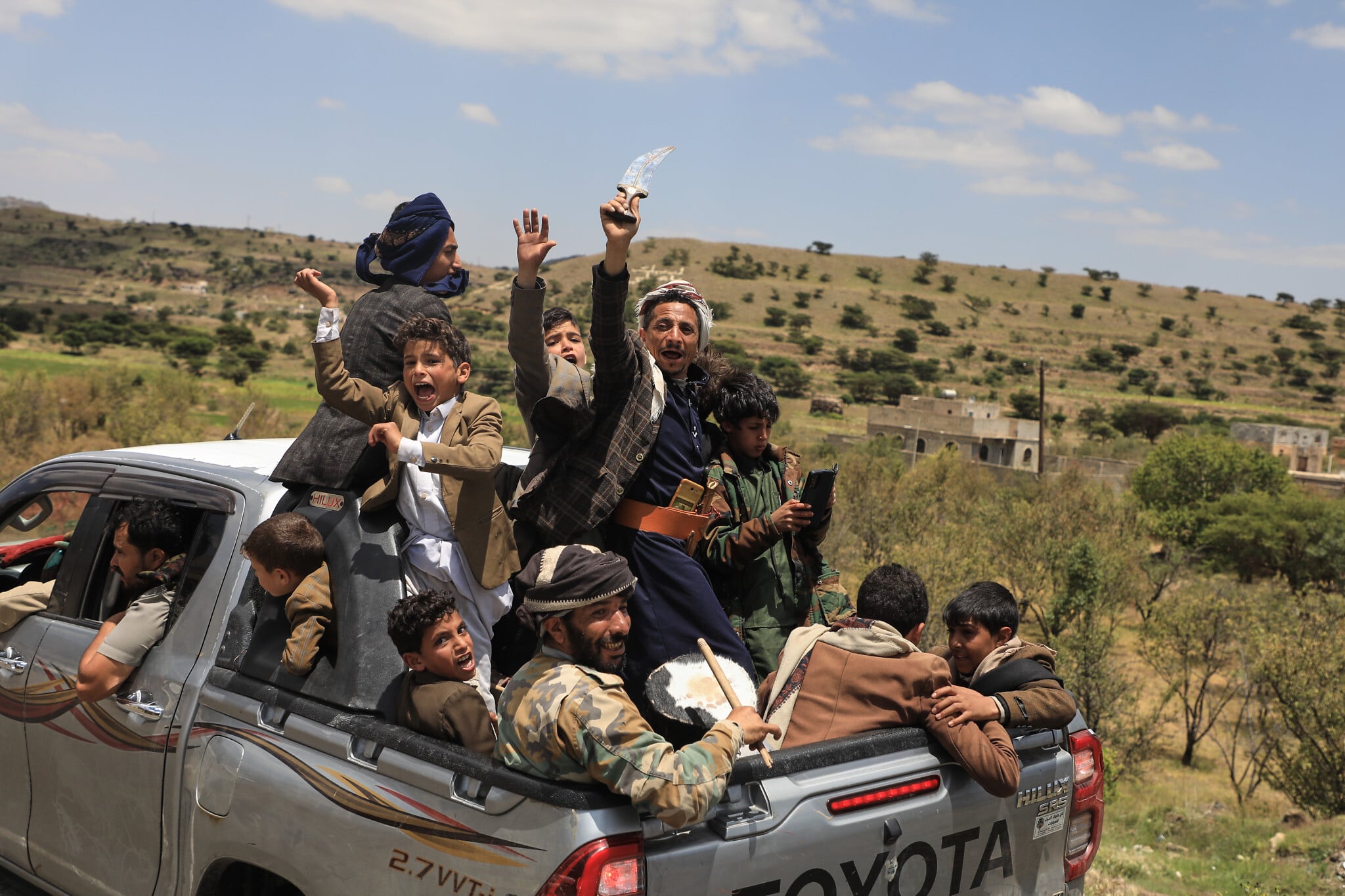
“The armed forces destroyed vehicles and weapons and killed members of the Houthi terrorist militia backed by the Iranian regime,” near the port of the city of Mocha, the government news agency Saba reported.
The spokesman for the Yemeni government forces, Majed Abdullah al-Nazili, said they had also struck the Houthis’ “vehicles and members” on the Mocha-Dhubab road, 11 kilometers (7 miles) from the city, according to Saba.
Nazili said Friday they had begun shelling areas in Mocha, and called on citizens not to use the Taiz-Mocha and Mocha-Dhubab roads.
The Houthis seized control of Mocha on Thursday, with their attack driving many to flee to Aden, where the internationally recognized government is based.
On Friday, Houthi media said two Saudi strikes hit Mocha’s airport, while a local official said the city’s seaport was hit by six missiles of unknown origin.
The Houthi offensive, which started last week, has killed more than 500 people, according to sources on both sides. It has also displaced about 46,000 people, the UN migration agency said on Friday.
It is part of renewed hostilities in Yemen’s civil war that began with the group’s takeover of the capital Sanaa in 2014.
In a statement Friday, the Houthi armed forces boasted of gains along the coast. They vowed “escalation for escalation” in the confrontation with Saudi Arabia, while declaring that “maritime navigation is safe for all companies except for Saudi vessels.”
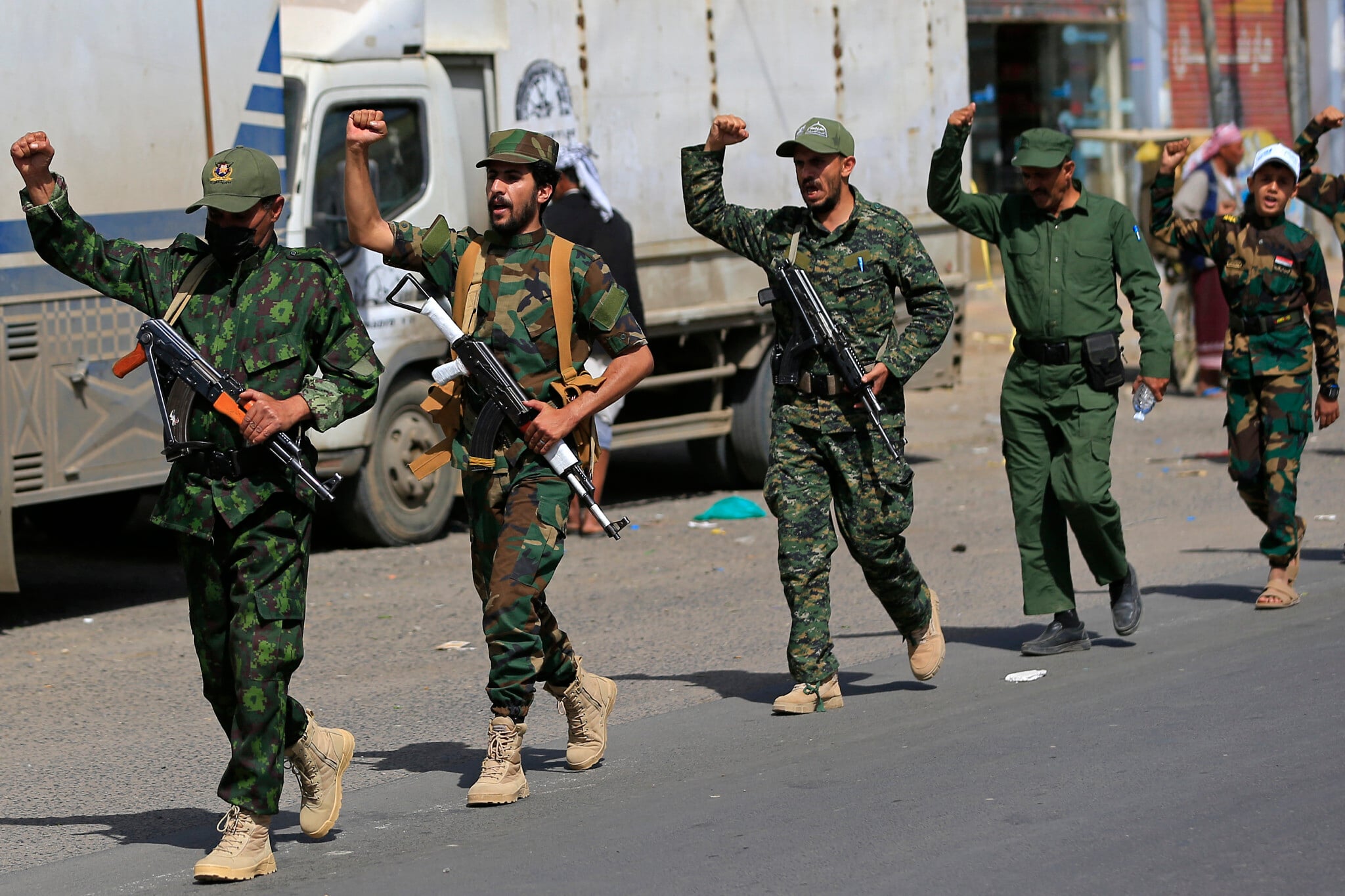
Still, markets are nervous, and experts have described the Houthis as highly unpredictable. Crude prices this week soared again above $100 a barrel, giving Tehran more leverage in any talks.
The Houthis have been attacking Saudi shipping on the Red Sea since declaring a blockade in July, as well as hitting oil infrastructure inside Saudi Arabia. The rebels said they acted in response to the kingdom’s yearslong blockade of Houthi-held parts of Yemen.
A senior military official with Yemen’s internationally recognized government told the AP they were stunned that the Saudi air force did not try to prevent the capture of Mokha, about 50 miles (80 kilometers) from the strait. He assessed that Saudi Arabia didn’t get a green light from the US to embark on a large-scale air campaign.
The official, who spoke on condition of anonymity because he wasn’t allowed to speak to the media, also blamed “lack of coordination” between Yemen’s army and multiple allied militias, saying it gave the Houthis “a priceless opportunity.”
Shipping through the Bab al-Mandeb Strait had fallen by about 60% since the Houthis began attacking some ships there in late 2023 and expressing solidarity with Palestinians in Gaza. Shipping increased this year as Saudi Arabia sought alternatives to the Strait of Hormuz, but renewed Houthi threats have “curtailed” that activity, according to Lloyd’s List Intelligence.
That has forced Saudi Arabia to find yet another alternative, sending its oil north out of the Red Sea to the Mediterranean, either via the Suez Canal or a pipeline through Egypt, a far longer route for its clients in Asia. The Houthis have threatened that route as well, striking a Saudi vessel in the north of the Red Sea in late August.
Times of Israel staff contributed to this report.
Help us report truthfully on social media

As a multimedia journalist, my job is to take the quality, fact-based journalism produced by The Times of Israel newsroom and make it accessible across every platform — from Instagram posts to podcasts to short-form videos.
This is how many, especially young people, consume news these days. But misinformation is rampant on social media. Our team at ToI produces accurate, responsible short-form reporting on Israel and the Jewish world.
If you believe in the importance of factual social media journalism, please consider joining our reader support group, The Times of Israel Community. Your financial support is essential to sustain responsible multimedia reporting.
— Gabriella Jacobs, multimedia journalist
Support our work Support our work Already a member? Sign in to stop seeing this
KioskNews shows a cleaned-up reading view extracted from the publisher’s page — the original always lives on their site, not ours.