High Court urges talks to resolve dispute over property formerly owned by Greek Orthodox church
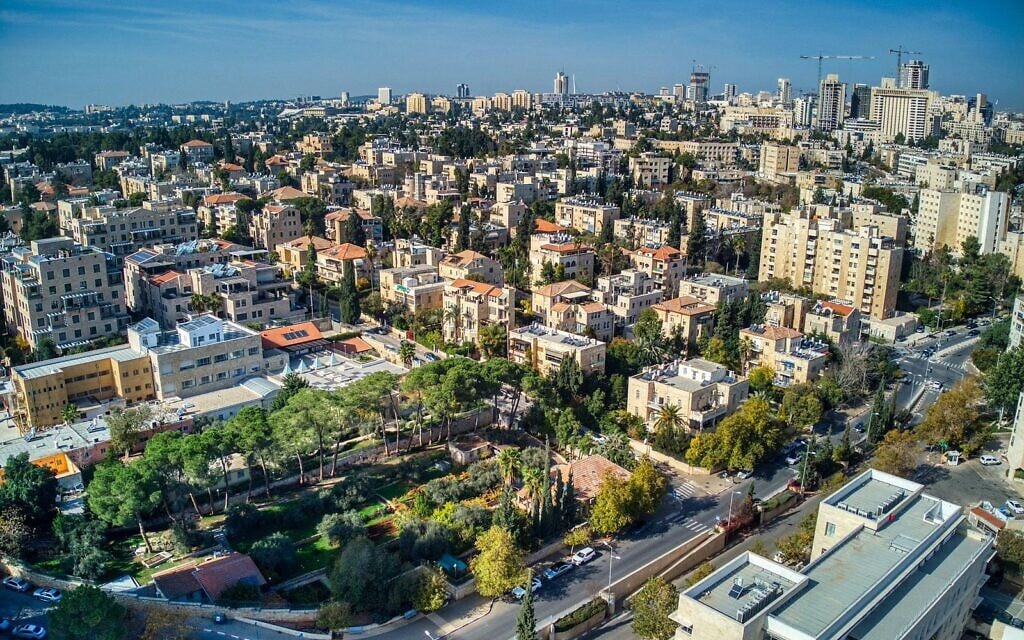
The High Court of Justice on Wednesday urged the parties to a decades-old dispute over Jerusalem properties previously owned by the Greek Orthodox Church to make serious efforts to reach a settlement without further delay.
The court will likely set a deadline for “concrete progress” in the negotiations in the coming days, justices said.
The outcome was welcomed by Extell, the company that purchased the leased land in 2023, as well as representatives of the apartment owners.
0:00 / 0:00
Promoted: Z3 2026

“It’s not necessarily the beginning of the end of this story, but hopefully it’s the beginning of the beginning of the end,” said one observer present at the hearing.
The dispute stems from a complicated legal arrangement in which homeowners own their apartments but not the land beneath them. Keren Kayemet LeIsrael – Jewish National Fund (KKL-JNF), which holds the lease for hundreds of dunams of land where about 1,000 families live in apartments stuck in legal limbo, was criticized by the court for dragging its feet in resolving the issue.
Sign up for ToI's free Real Estate Israel newsletter
By signing up, you agree to the terms
But the court did not order KKL-JNF to renew residents’ lease agreement, as some were hoping.
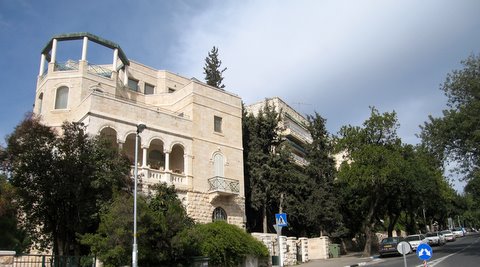
In a packed courtroom attended by dozens of English- and French-speaking apartment owners, Justice Daphne Barak-Erez said the current situation, in which the lease on the land is set to expire in about 25 years, has created uncertainty and a decline in property value for the apartment owners. Reaching an agreement quickly regarding their future with Extell — which wants to move forward on lucrative land development projects both in open and built-up areas — is in everyone’s best interest, she said.
The court rejected an argument put forth by some owners who said the dispute should be decided by legal means rather than through negotiation, saying such an approach could take many years to resolve and not necessarily deliver a better outcome for either side.
The court plans to set a timeline to ensure that negotiations are proceeding, and said it will monitor how they progress. It suggested that the Israel Land Authority and the Jerusalem municipality also be included in the talks.
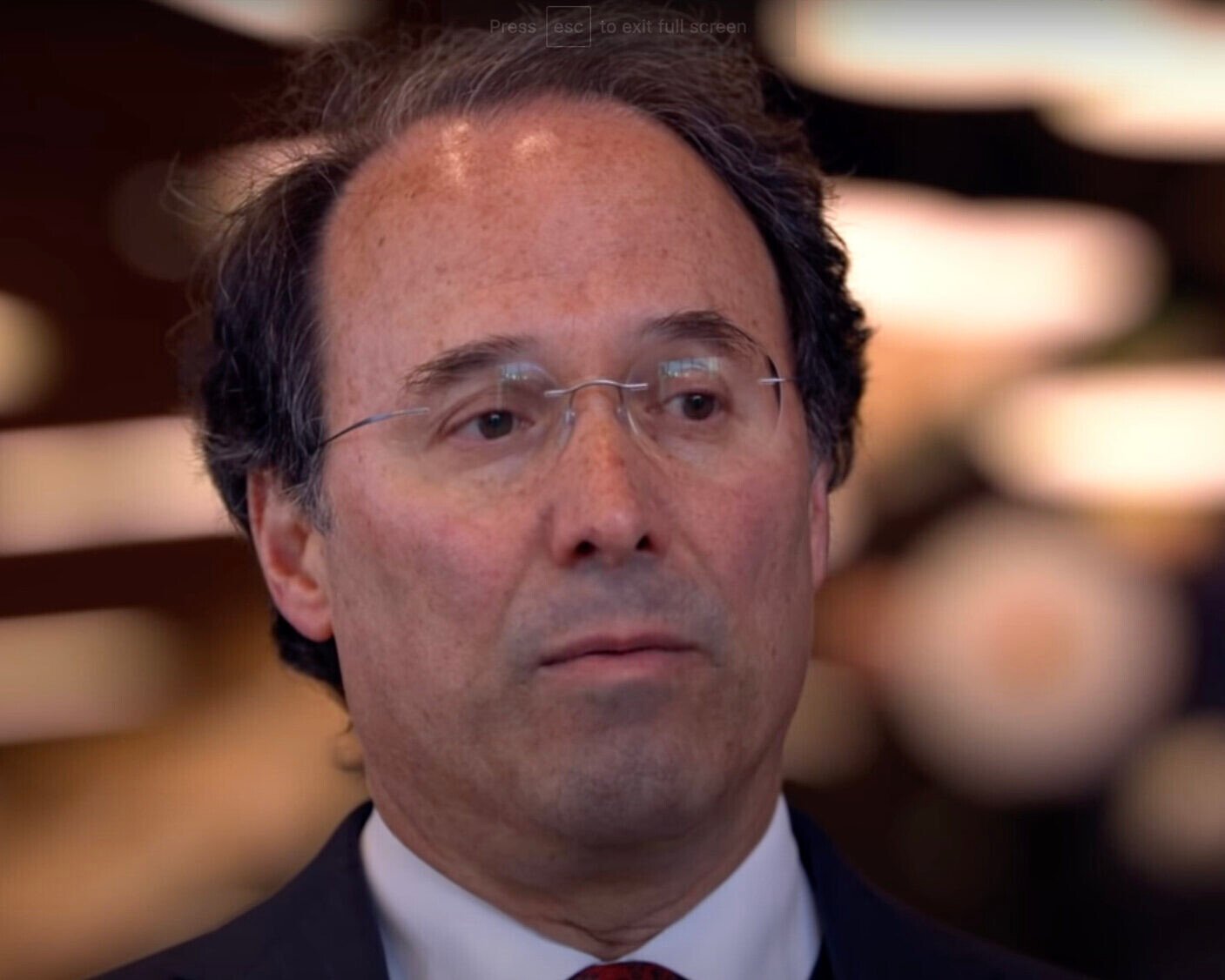
Extell, owned by Jewish-American real estate tycoon Gary Barnett, has been pushing for a negotiated settlement so it can begin development projects on the land.
“The court accepted our position that there is no justification for prolonging a legal dispute for years when a settlement can be reached promptly,” the company said in a statement.
Last year, Extell entered secret negotiations over the land with KKL-JNF, but the process was stymied when residents — furious that their assets were being divvied up behind their backs — filed a court injunction to halt the process.
Now, talks are expected to move forward with greater disclosure from both sides. The previous negotiations angered residents who had feared that both parties didn’t have their best interests in mind, sources said. The next round of talks is expected to include greater transparency and safeguards for owners’ interests.
It is not clear how long it will take before the sides can reach an agreement now, if at all. Negotiations were at an advanced stage last year before talks were called off, but KKL-JNF has since installed new leadership, headed by chairman Eyal Ostrinsky, and its positions are not yet clear, a source noted.
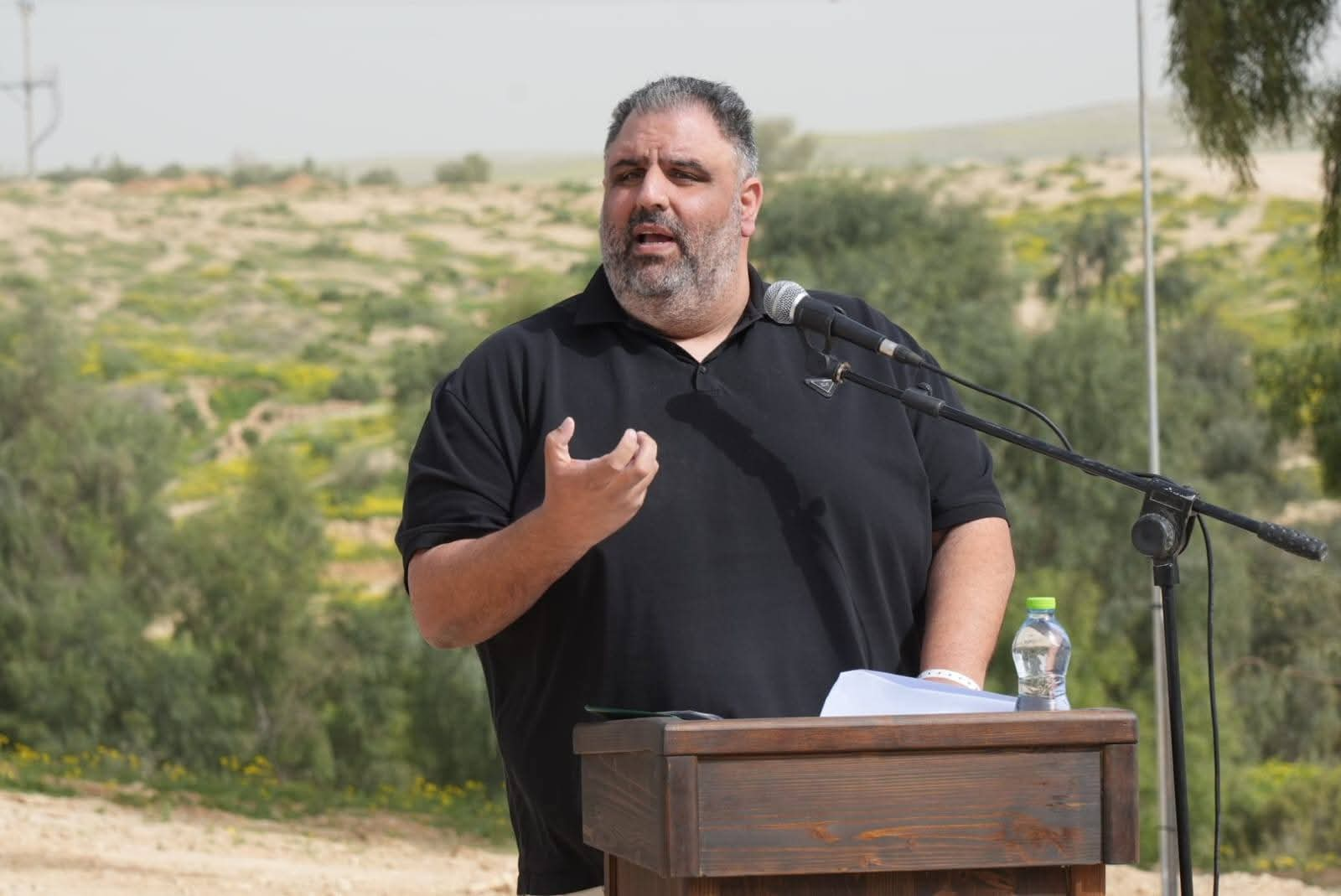
Ostrinsky has said he hopes to defend the rights of residents and protect open spaces. KKL-JNF “is engaged in ongoing dialogue with all parties, including Extell, and the negotiations are intended to reach the broadest possible agreements,” the organization said in a statement to The Times of Israel following the hearing.
Alongside its negotiations with KKL-JNF, Extell has pursued private talks with individual homeowners and reached agreement with about 200, a source said. It is expected that more will be willing to negotiate privately with Extell following the court’s decision.
Property owners on the leased land, many of whom purchased their homes without understanding the long-term implications, say they are eager to reach an agreement so they can invest in home improvements or sell.
“We bought our apartment on the understanding that KKL would ensure that we could continue living there,” one resident, Shoshana Gabai, told The Times of Israel following the hearing. “Many of us are in our 70s, 80s and 90s. We cannot understand why this is taking such a long time, and why we have to go to the court over this case when so many families are affected.”
A complicated history
The case centers around 570 dunams (140 acres) of prime real estate in the upscale Talbieh, Rehavia and Nayot neighborhoods of Jerusalem, on which sit about 1,000 residential apartments along with prominent public buildings like the Great Synagogue and the Israel Museum, open land areas like the Valley of the Cross, and luxury hotels including the Inbal and the Dan Panorama.
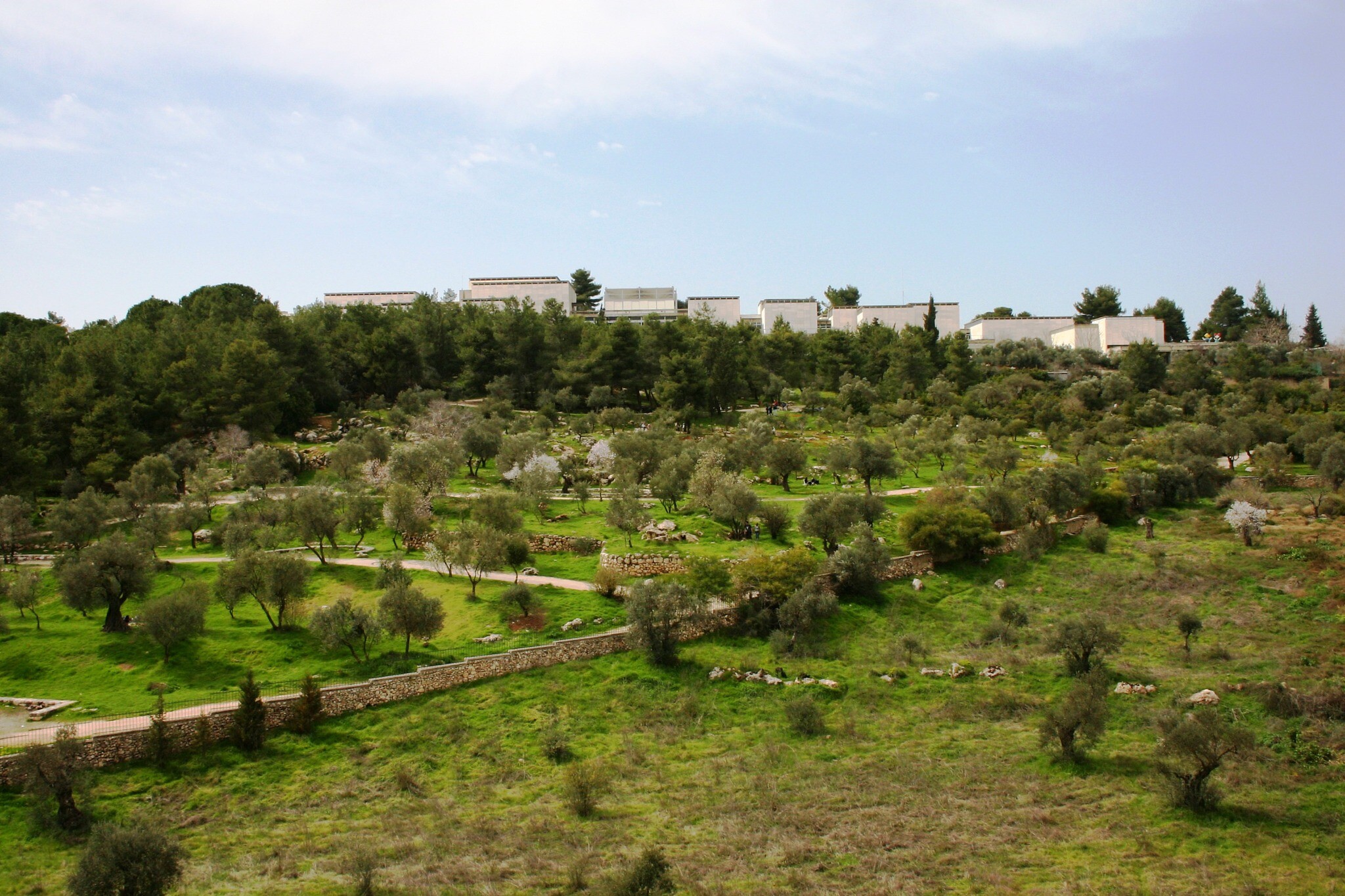
In the 1950s, the Greek Orthodox Patriarchate, which owned the land, leased it to KKL-JNF under long-term agreements that are set to expire in the coming decades. Since then, the land has been extensively developed, creating a unique and complicated legal dynamic in which individuals own their homes but not the ground beneath them.
In 2011, the Greek Orthodox Church, tired of legal pressures to cut a deal and heavily in debt, sold its rights to the land to an investor group, which in turn sold it to Extell for $216 million.
Now, Extell hopes to resolve the legal questions about the lands so it can move forward with developing a number of large housing projects.
Moving ahead with negotiations is “a ‘win-win’ solution — benefiting the tenants, the city of Jerusalem and all parties involved,” the company said.
KioskNews shows a cleaned-up reading view extracted from the publisher’s page — the original always lives on their site, not ours.